

At a glance
Summary
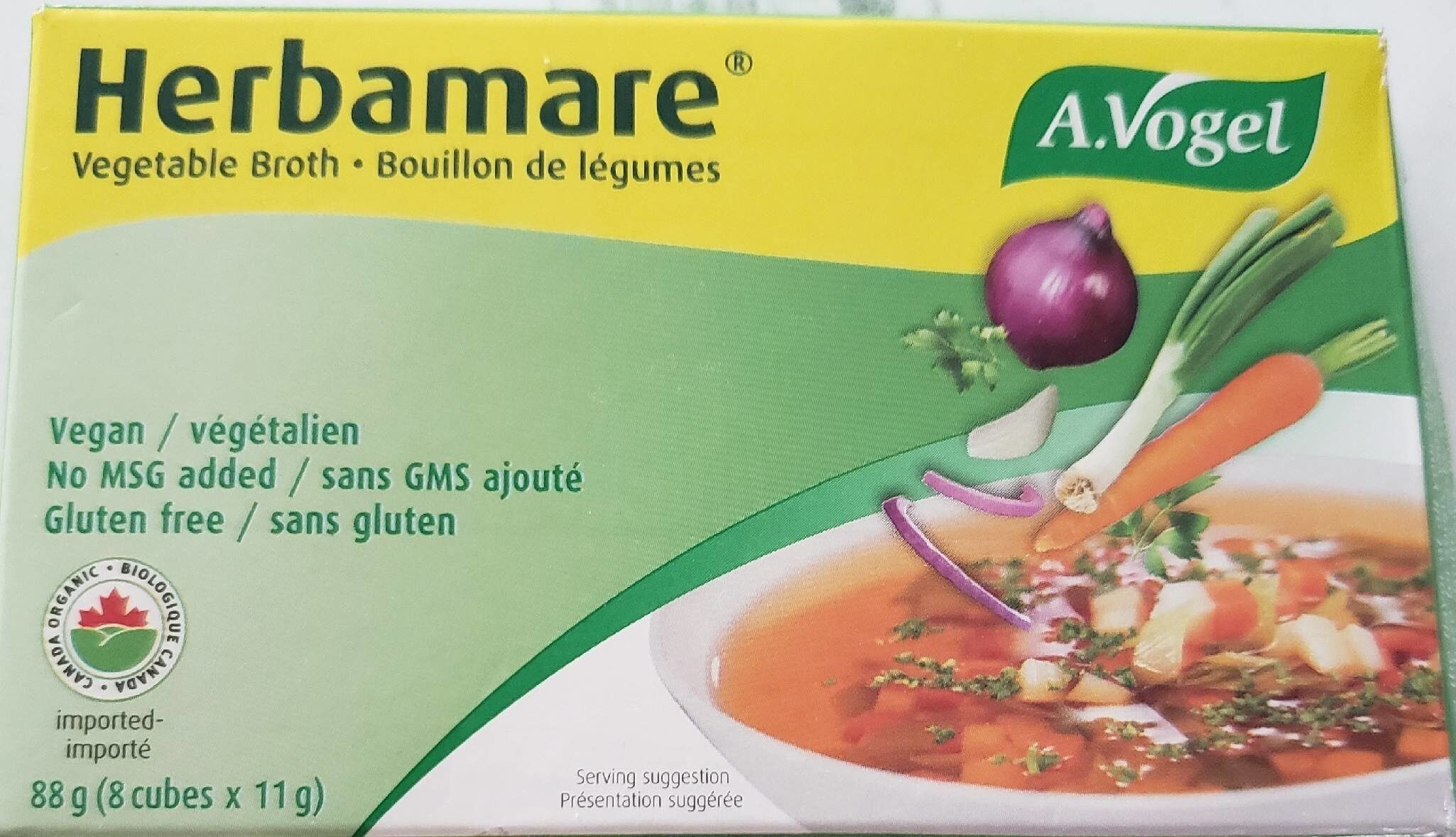
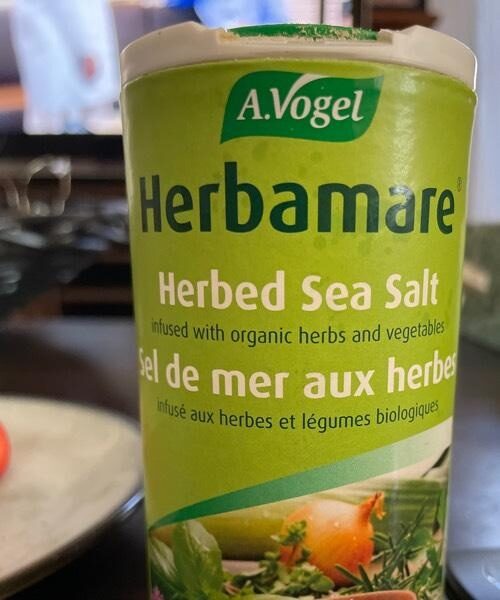
Herbamare contains a variety of beneficial ingredients such as sea salt, vegetables, chicory extract, spices, and shiitake mushrooms, which contribute to its nutritional value and health benefits. However, the presence of maltodextrin, a highly processed carbohydrate, detracts from its overall healthiness by potentially causing blood sugar spikes. The product's processing level also limits its maximum potential score.
Key ingredients 9
Sea saltGood
Sea salt is a minimally processed source of sodium and trace minerals. It is harvested from evaporated seawater and retains natural minerals. Unlike refined table salt, it provides additional nutrients.
Risks
Excessive consumption of salt can lead to high blood pressure and cardiovascular issues.
Benefits
Provides essential sodium and trace minerals that are important for maintaining fluid balance and nerve function.
VegetablesGood
Vegetables like parsley, carrots, parsnip, leek, and onions are rich in vitamins, minerals, and fiber. They are minimally processed and add nutritional value to the product. These ingredients contribute to overall health and wellness.
Benefits
Provide essential vitamins, minerals, and dietary fiber that support overall health.
Chicory extractGood
Chicory extract is a source of inulin, a prebiotic fiber that supports gut health. It is derived from the chicory root and is minimally processed. Inulin promotes the growth of beneficial gut bacteria.
Risks
Excessive consumption may cause digestive discomfort in some individuals.
Benefits
Supports digestive health by promoting beneficial gut bacteria and providing dietary fiber.
SpicesGood
Spices such as lovage, curcuma, garlic, and mace are rich in antioxidants and anti-inflammatory compounds. They are minimally processed and enhance flavor naturally. These spices contribute to health benefits beyond basic nutrition.
Benefits
Provide antioxidants and anti-inflammatory compounds that support overall health.
Shiitake mushroomsGood
Shiitake mushrooms are a source of vitamins, minerals, and bioactive compounds. They are minimally processed and known for their immune-boosting properties. These mushrooms provide unique nutrients not commonly found in other foods.
Benefits
Rich in vitamins, minerals, and compounds that support immune health and overall wellness.
Palm fatNeutral
Palm fat is a saturated fat derived from palm oil, often used for its stability and texture in food products. It is less processed than hydrogenated oils but raises environmental concerns due to deforestation. It is a stable fat that does not oxidize easily during cooking.
Risks
High intake of saturated fats may contribute to heart disease. Environmental concerns due to palm oil production.
Benefits
Provides a stable cooking fat that is resistant to oxidation and rancidity.
Raw cane sugarNeutral
Raw cane sugar is a less refined form of sugar that retains some molasses content. It is used as a sweetener but still contributes to caloric intake and blood sugar levels. It is slightly less processed than white sugar.
Risks
Excessive consumption can lead to weight gain and increased risk of diabetes.
Benefits
Provides a natural source of sweetness with minimal processing compared to refined sugar.
MaltodextrinBad
Maltodextrin is a highly processed carbohydrate used as a thickener or filler. It is rapidly absorbed, leading to spikes in blood sugar levels. Often derived from corn, wheat, or potatoes, it lacks nutritional value.
Risks
May cause rapid blood sugar spikes and is often used in processed foods with low nutritional value.
Yeast extractBad
Concentrated glutamate source — MSG-adjacent flavor enhancer.
Risks
May contain naturally occurring glutamates, which some individuals are sensitive to.
Benefits
Rich in B vitamins and provides a natural umami flavor to foods.
Processing
Processed Foods
Get the full breakdown in the Scout appTake Scout shopping
Scan any product to see lab results, healthy alternatives, and your personalized analysis.
Download on theApp Store GET IT ONGoogle Play