
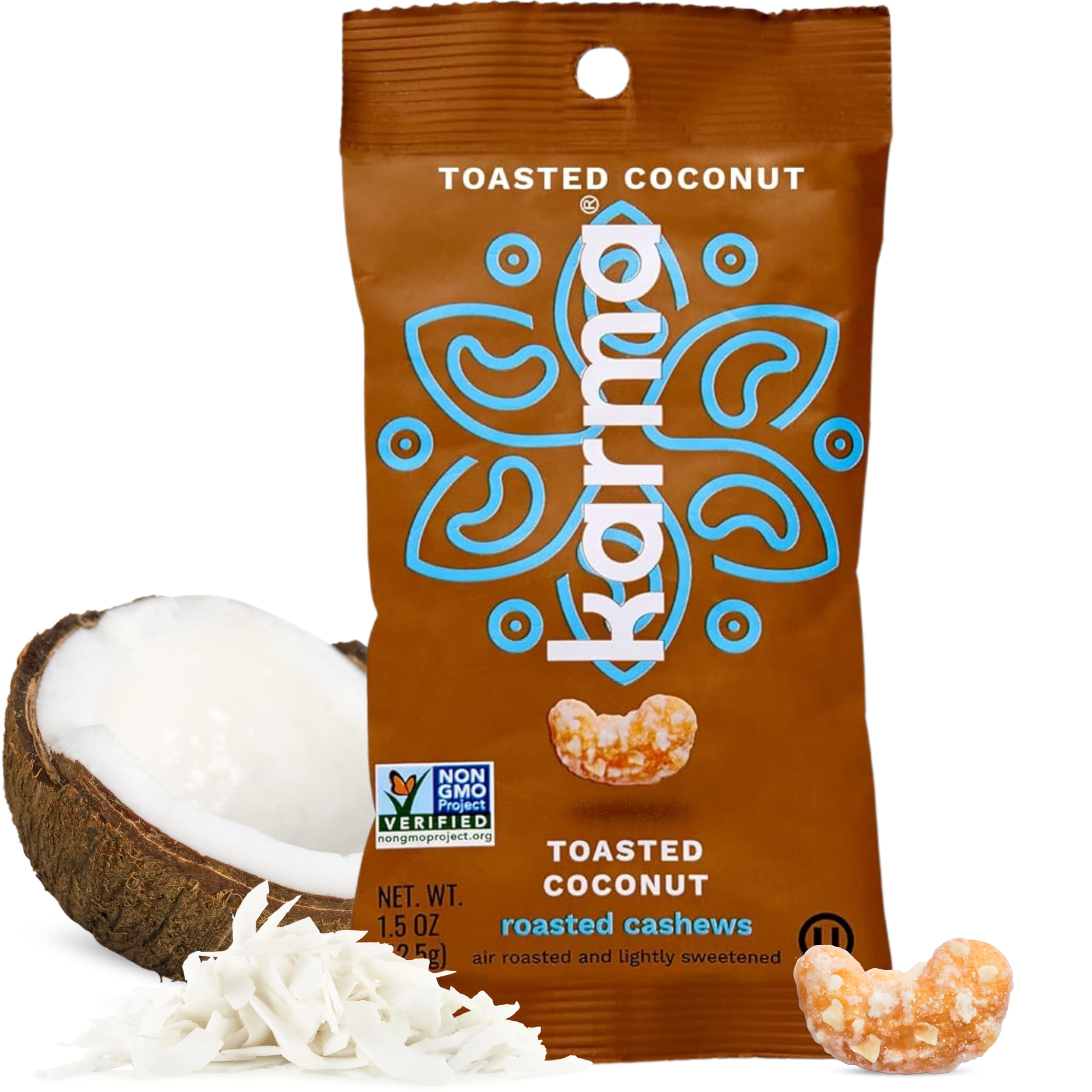
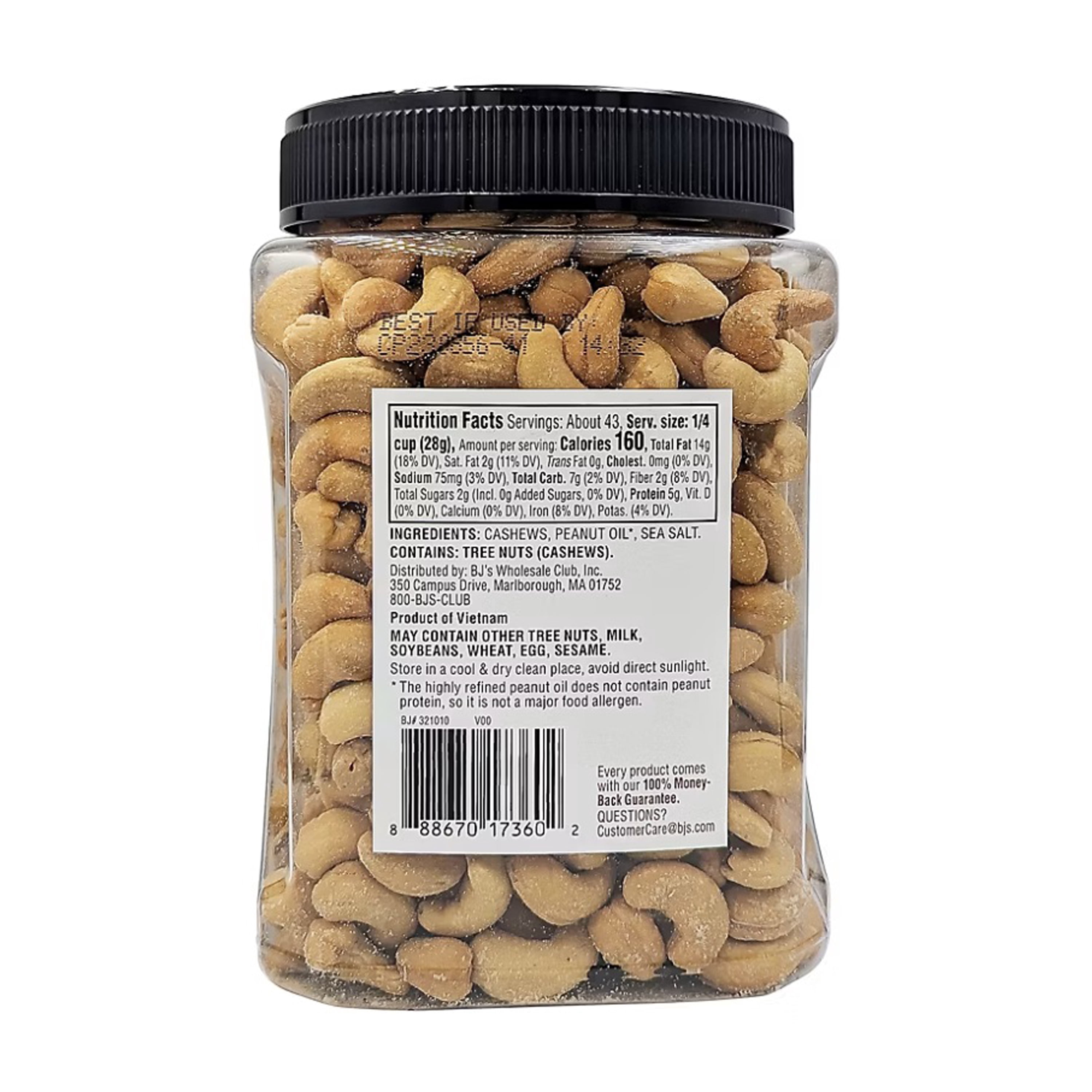
Coconut Cashews

Publix Super Markets, Inc.
65 Fair
View on Amazon

Summary

The product contains beneficial ingredients like cashews and dried toasted coconut, which provide healthy fats and nutrients. However, the presence of refined sugar and sunflower oil, which is high in omega-6 fatty acids, detracts from its overall healthiness. Additionally, the use of natural flavors and the processed nature of the product further impact its score negatively.

At a glance

Beneficial ingredients 3
Harmful ingredients 3
Owned by Publix Super Markets, Inc.
Category Nuts

Key ingredients 8

Cashews
Very Good

Cashews are a nutrient-dense nut rich in healthy fats, protein, and essential minerals. They provide beneficial monounsaturated fats that support heart health. Additionally, cashews are a good source of magnesium and copper, which are important for bone health and energy production.

Risks

Cashews can be allergenic for some individuals, potentially causing allergic reactions.

Benefits

Rich in healthy fats, protein, and essential minerals like magnesium and copper, supporting heart and bone health.

See more about Cashews →
Sugar
Bad

Refined sugar is a high-calorie ingredient with no essential nutrients, contributing to empty calorie intake. Excessive consumption can lead to weight gain and increased risk of metabolic diseases. It is often used to enhance sweetness but can overshadow the natural flavors of other ingredients.

Risks

High intake of refined sugar is associated with obesity, type 2 diabetes, and dental cavities.

See more about Sugar →
Dried Toasted Coconut
Good

Dried toasted coconut provides healthy fats and dietary fiber, contributing to satiety and digestive health. It contains medium-chain triglycerides (MCTs) that may support metabolism. The toasting process enhances flavor without significantly degrading nutritional value.

Benefits

Provides healthy fats and dietary fiber, with MCTs that may support metabolism and enhance flavor.

Gum Arabic
Neutral

Gum Arabic is a natural gum used as a stabilizer and thickener in food products. It is derived from the sap of the Acacia tree and is generally recognized as safe. It has minimal nutritional value but can aid in texture and consistency of food products.

See more about Gum Arabic →
Water
Neutral

Water is used as a solvent and processing aid in food production. It is essential for hydration but does not contribute nutrients in this context. Its presence is primarily functional, aiding in mixing and consistency.

See more about Water →
Sunflower Oil
Very Bad

Sunflower oil is a seed oil high in omega-6 fatty acids, which can promote inflammation when consumed in excess. It is often refined, which can strip away beneficial nutrients and introduce harmful compounds. Its high omega-6 content can disrupt the balance of omega-3 to omega-6 fatty acids in the diet.

Risks

High omega-6 content may promote inflammation and imbalance in fatty acid intake.

See more about Sunflower Oil →
Natural Flavour
Bad

Natural flavour is a broad term that can include a variety of substances derived from natural sources but processed to enhance flavor. The lack of transparency in its composition can be concerning for those with allergies or sensitivities. It is often used to enhance taste without providing nutritional benefits.

Risks

Potential allergenicity and lack of transparency in ingredient composition.

See more about Natural Flavour →
Sea Salt
Good

Unrefined sea salt — a minimally processed, natural source of sodium and essential trace minerals, and a legitimate whole-food seasoning. Treated as a positive ingredient.

Risks

Excessive salt intake can lead to hypertension and cardiovascular issues.

Benefits

Provides trace minerals and enhances flavor, but benefits are minimal in small quantities.

See more about Sea Salt →

Processing

Group 3 · Processed

Processed Foods

Get the full breakdown in the Scout app

Scan any product to see lab results, healthy alternatives, and your personalized analysis.

Download on theApp Store