
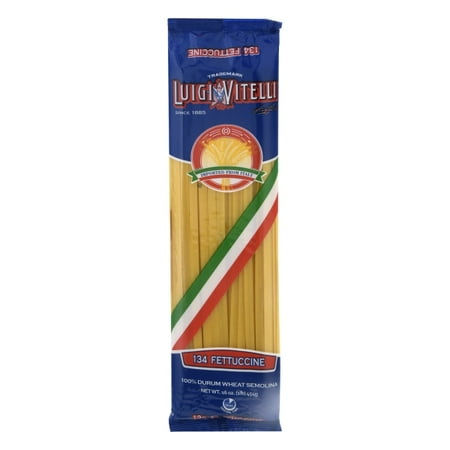
Luigui Vitelli Luigi Vitelli Fetucini Flat
Summary
This pasta is made from durum wheat semolina, a high-quality ingredient that retains much of its natural nutrients and offers a lower glycemic index compared to refined wheat. The product is processed, which limits its maximum score, but it contains no harmful additives or ingredients, making it a clean option within its category.
At a glance
Key ingredients 6
Durum wheat semolinaGood
Durum wheat semolina is a high-quality wheat product known for its high protein content and firm texture, ideal for pasta making. It is minimally processed, retaining much of its natural nutrients. Compared to refined wheat, it offers better nutritional value and a lower glycemic index.
Benefits
Provides a good source of protein and complex carbohydrates, supporting energy levels and muscle maintenance.
NiacinNeutral
Niacin, also known as vitamin B3, is an essential nutrient added to fortify foods. It plays a crucial role in energy metabolism and maintaining healthy skin and nerves. As a fortification, it helps prevent deficiencies in diets lacking in natural sources of B vitamins.
Benefits
Supports energy production and overall metabolic health.
Iron lactateNeutral
Iron lactate is a form of iron used to fortify foods, helping to prevent iron deficiency anemia. It is generally well-absorbed and used in food products to enhance nutritional value. Fortification with iron is important in diets that may lack sufficient natural iron sources.
Risks
Excessive iron intake can lead to toxicity, but this is rare with normal consumption levels.
Benefits
Helps in the formation of red blood cells and supports oxygen transport in the body.
Thiamin mononitrateNeutral
Thiamin mononitrate is a synthetic form of vitamin B1 used to fortify foods. It is essential for carbohydrate metabolism and nerve function. Fortification helps prevent thiamin deficiency, especially in diets low in whole grains.
Benefits
Supports energy metabolism and proper nerve function.
RiboflavinNeutral
Riboflavin, or vitamin B2, is an essential nutrient added to foods for fortification. It plays a key role in energy production and the metabolism of fats, drugs, and steroids. Fortification ensures adequate intake in populations with limited dietary sources.
Benefits
Contributes to energy production and the maintenance of healthy skin and eyes.
Folic acidNeutral
Folic acid is a synthetic form of vitamin B9 used to fortify foods, crucial for DNA synthesis and repair. It is particularly important for pregnant women to prevent neural tube defects. Fortification helps ensure adequate intake in populations with low dietary folate.
Risks
Excessive intake can mask vitamin B12 deficiency, but this is uncommon with normal consumption.
Benefits
Supports cell division and is vital for fetal development during pregnancy.
Processing
Processed Foods
Get the full breakdown in the Scout app
Scan any product to see lab results, healthy alternatives, and your personalized analysis.
Download on theApp Store