

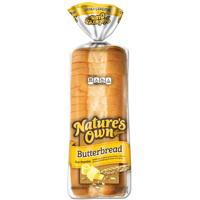
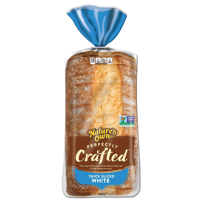


Nature's Own 100% Whole Wheat Rolls
Analysis updated August 2026 · How Scout scores
At a glance
Summary
This product is ultra-processed, which limits its potential health score despite having whole wheat flour as a primary ingredient. The presence of expeller pressed canola oil, a seed oil high in omega-6 fatty acids, and added sugar contribute to its lower rating. While the bread contains beneficial fiber and nutrients from whole wheat, the processing level and inclusion of less desirable ingredients impact its overall healthiness.
Key ingredients 10
Whole wheat flourGood
Whole wheat flour is a minimally processed ingredient rich in fiber and nutrients. It retains the bran and germ, providing essential vitamins and minerals. This ingredient supports digestive health and offers a more balanced energy release compared to refined flours.
Benefits
Rich in dietary fiber, which aids in digestion and helps maintain healthy blood sugar levels. Provides essential nutrients like B vitamins and iron.
WaterNeutral
Water is a neutral ingredient used as a solvent and to provide moisture in the dough. It is essential for the activation of yeast and gluten development. Water itself does not contribute any nutritional value.
See more about Water →YeastNeutral
Yeast is a natural leavening agent that helps the dough rise by producing carbon dioxide. It contributes to the texture and flavor of the bread. Yeast is a common ingredient in bread-making with no significant health concerns.
Benefits
Contributes to the leavening and flavor development in bread.
Cellulose powderNeutral
Cellulose powder is used as a fiber supplement and anti-caking agent. It is derived from plant cell walls and is not digested by humans. This ingredient is generally considered safe and adds bulk to the product.
Benefits
Adds dietary fiber, which can aid in digestion and promote a feeling of fullness.
Wheat glutenNeutral
Wheat gluten is added to improve the elasticity and texture of the dough. It is a protein derived from wheat and is essential for bread structure. While beneficial for bread quality, it may pose issues for those with gluten sensitivities.
Risks
May cause adverse reactions in individuals with gluten intolerance or celiac disease.
Benefits
Enhances the texture and elasticity of bread, contributing to a better crumb structure.
Cultured wheat flourNeutral
Cultured wheat flour is used as a natural preservative to extend shelf life. It is made by fermenting wheat flour with specific bacteria. This ingredient is generally considered safe and helps maintain product freshness.
Benefits
Acts as a natural preservative, reducing the need for artificial additives.
SaltNeutral
Salt is used to enhance flavor and control yeast activity in bread. It is a common culinary ingredient with no significant health concerns when consumed in moderation. Excessive salt intake can lead to health issues such as hypertension.
Risks
Excessive consumption can contribute to high blood pressure and cardiovascular issues.
Benefits
Enhances flavor and helps regulate yeast fermentation in bread.
Distilled vinegarNeutral
Distilled vinegar is used to enhance flavor and act as a natural preservative. It is made through the fermentation of ethanol by acetic acid bacteria. This ingredient is generally safe and contributes to the product's shelf stability.
Benefits
Acts as a natural preservative and enhances the flavor profile of the bread.
SugarBad
Sugar is added to enhance flavor and aid in yeast fermentation. However, it is a refined carbohydrate that can contribute to increased blood sugar levels. Excessive consumption of sugar is linked to various health issues, including obesity and diabetes.
Risks
High intake of sugar can lead to weight gain, increased risk of type 2 diabetes, and dental cavities.
Benefits
Provides a quick source of energy and enhances the flavor profile of the bread.
Expeller pressed canola oilVery Bad
Canola oil is a seed oil high in omega-6 fatty acids, which can promote inflammation when consumed in excess. The expeller pressing method is a mechanical extraction process that avoids chemical solvents. Despite this, the high omega-6 content remains a concern.
Risks
High omega-6 content may promote inflammation and is linked to various chronic diseases when consumed in excess.
Benefits
Provides a source of unsaturated fats, which can be beneficial in moderation.
Processing
Ultra-Processed Foods
Get the full breakdown in the Scout appTake Scout shopping
Scan any product to see lab results, healthy alternatives, and your personalized analysis.
Download on theApp Store GET IT ONGoogle PlayAmazon pricing & content
Amazon price as of . Product prices and availability are accurate as of the date/time indicated and are subject to change. Any price and availability information displayed on Amazon.com at the time of purchase will apply to the purchase of this product.
CERTAIN CONTENT THAT APPEARS ON THIS SITE COMES FROM AMAZON. THIS CONTENT IS PROVIDED “AS IS” AND IS SUBJECT TO CHANGE OR REMOVAL AT ANY TIME.