




One Mighty Mill Whole Wheat Mighty Bread
One Mighty MillAnalysis updated August 2026 · How Scout scores
At a glance
Summary
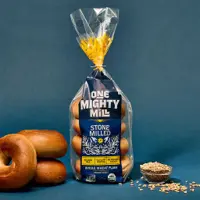
One Mighty Mill Whole Wheat Mighty Bread scores 70/100. Stone-milled organic whole wheat and wheat flour, water, organic honey, yeast, organic extra virgin olive oil and sea salt, with cultured organic wheat flour and organic vinegar as natural mold inhibitors — no seed oils, no refined sugar, no synthetic preservatives. Added organic vital wheat gluten (an isolated wheat protein) and baking enzymes are the processing markers that keep it below simple flour-water-salt breads; it scores the same as the curated Stone Milled Mighty Wheat loaf.
Key ingredients 10
Organic extra virgin olive oilVery Good
Extra virgin olive oil is a high-quality monounsaturated fat with anti-inflammatory properties. It contains antioxidants that support heart health. Cold-pressed extraction preserves beneficial compounds.
Benefits
Rich in monounsaturated fats that support heart health and provide anti-inflammatory properties. Contains antioxidants like vitamin E and polyphenols that may reduce oxidative stress.
Stone-milled organic flourGood
Stone-milled organic flour retains more nutrients compared to conventionally milled flour. The organic certification ensures no synthetic pesticides or fertilizers are used. This flour provides essential nutrients and fiber from whole grains.
Benefits
Rich in fiber and essential nutrients, supporting digestive health and providing sustained energy.
Organic honeyGood
Organic honey is a natural sweetener with antioxidant properties. It is less processed than refined sugars and contains trace nutrients. The organic certification ensures it is free from synthetic additives.
Risks
Excessive consumption can contribute to high sugar intake.
Benefits
Provides natural sweetness and contains antioxidants that may support health.
Sea saltGood
Sea salt is a minimally processed source of sodium and trace minerals. It enhances flavor without the additives found in refined salt. Sea salt is a natural ingredient with a positive health profile.
Risks
Excessive sodium intake can lead to high blood pressure.
Benefits
Provides essential sodium and trace minerals, enhancing flavor naturally.
Cultured organic wheat flourGood
Cultured organic wheat flour is fermented to enhance flavor and digestibility. The organic certification ensures no synthetic additives are used. Fermentation can increase nutrient availability.
Benefits
Improves flavor and may enhance nutrient absorption due to fermentation.
Organic vinegarGood
Organic vinegar acts as a natural preservative and flavor enhancer. It is made through fermentation, which can provide beneficial acetic acid. The organic certification ensures no synthetic additives are used.
Benefits
May aid in digestion and acts as a natural preservative.
WaterNeutral
Water is a neutral ingredient used as a solvent and to provide moisture. It is essential for the dough formation process. There are no health impacts associated with water in this context.
See more about Water →Organic vital wheat glutenNeutral
Vital wheat gluten is used to improve the texture and elasticity of bread. It is a concentrated source of gluten protein. The organic certification ensures no synthetic additives are used.
Risks
May cause adverse reactions in individuals with gluten intolerance or celiac disease.
Benefits
Enhances bread texture and provides a source of protein.
YeastNeutral
Yeast is a natural leavening agent that helps bread rise. It contributes to the fermentation process, enhancing flavor. Yeast is a common and essential ingredient in bread making.
Benefits
Contributes to bread's texture and flavor through fermentation.
EnzymesNeutral
Enzymes are used to improve dough handling and bread texture. They are naturally occurring proteins that catalyze biochemical reactions. Enzymes are common in bread making and generally considered safe.
Benefits
Enhances dough properties and bread quality.
Processing
Processed Foods
Get the full breakdown in the Scout appTake Scout shopping
Scan any product to see lab results, healthy alternatives, and your personalized analysis.
Download on theApp Store GET IT ONGoogle PlayAmazon pricing & content
CERTAIN CONTENT THAT APPEARS ON THIS SITE COMES FROM AMAZON. THIS CONTENT IS PROVIDED “AS IS” AND IS SUBJECT TO CHANGE OR REMOVAL AT ANY TIME.