
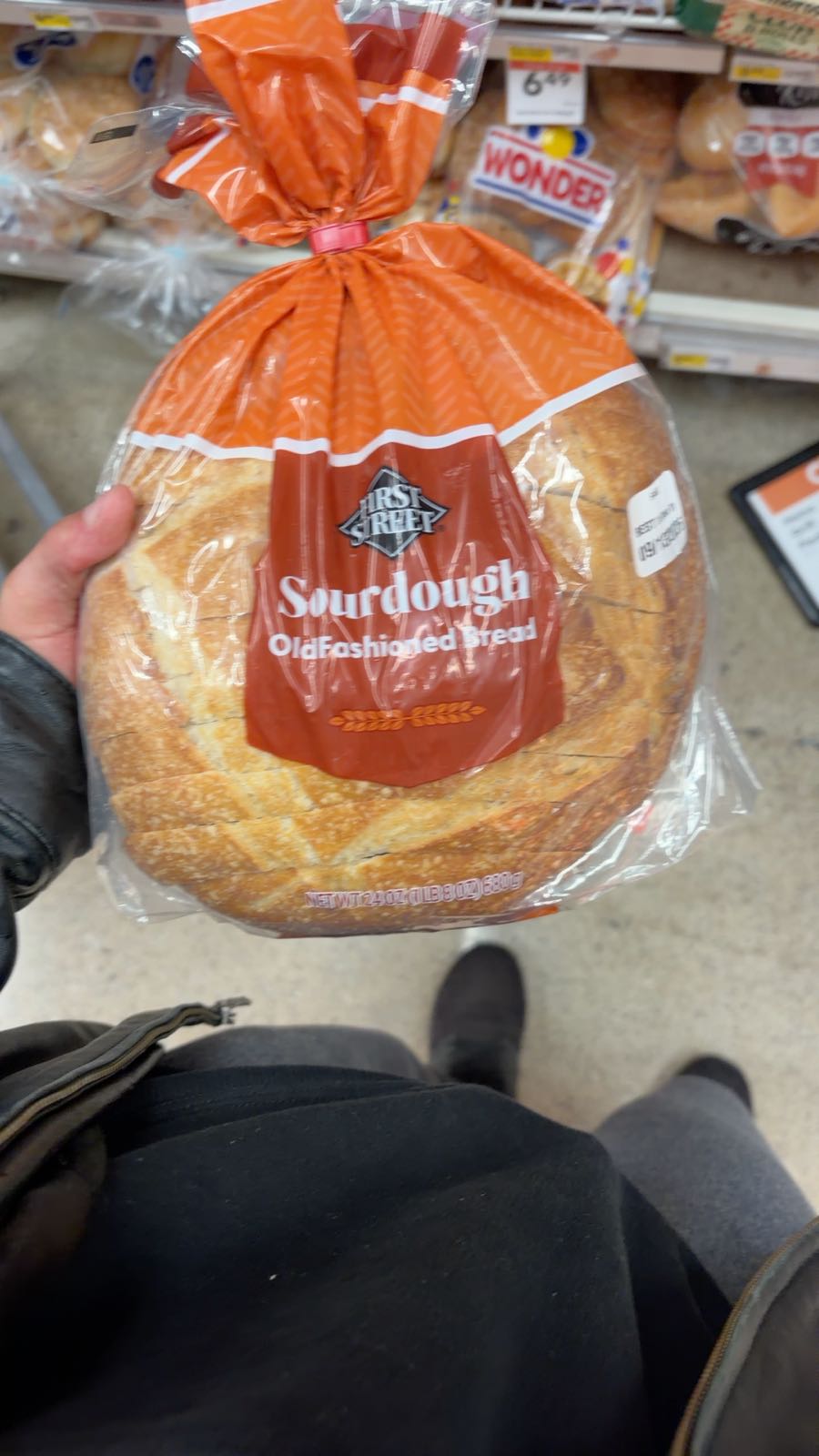


At a glance
Summary
This sourdough bread contains beneficial ingredients like a naturally aged sourdough starter and unprocessed sea salt, which enhance its nutritional profile and flavor. However, it is classified as ultra-processed due to the inclusion of wheat gluten and ascorbic acid, which are common in industrial bread production. Despite the use of unbleached unenriched wheat flour, the processing level limits its score.
Key ingredients 7
Naturally aged sourdough starterGood
Naturally aged sourdough starter is a fermented mixture of flour and water that contains wild yeast and lactobacilli. It enhances the flavor and nutritional profile of the bread. The fermentation process can improve digestibility and increase the availability of nutrients.
Benefits
May improve gut health due to the presence of beneficial bacteria and can lower the glycemic index of the bread.
Unprocessed sea saltGood
Unprocessed sea salt is a natural source of sodium and trace minerals. It is less refined than table salt, retaining more of its natural mineral content. This can enhance the flavor of the bread without the need for excessive processing.
Risks
Excessive consumption of salt can lead to high blood pressure and other cardiovascular issues.
Benefits
Provides essential sodium and trace minerals, contributing to the overall flavor and nutritional profile of the bread.
Ascorbic acidGood
Vitamin C — beneficial even when serving as a preservative.
Benefits
Acts as an antioxidant and dough conditioner, improving the quality and shelf life of the bread.
Unbleached unenriched wheat flourNeutral
Unbleached unenriched wheat flour is a basic ingredient in bread-making. It is less processed than enriched flour, retaining more of its natural nutrients. However, it lacks the added vitamins and minerals found in enriched flours.
Risks
May contain gluten, which can be problematic for individuals with celiac disease or gluten sensitivity.
Benefits
Provides carbohydrates and some protein, serving as a staple energy source in the diet.
Filtered waterNeutral
Filtered water is used to hydrate the dough and activate the yeast in sourdough bread. It is free from impurities that could affect the fermentation process. Water quality can influence the texture and flavor of the bread.
Benefits
Essential for the hydration and fermentation process in bread-making.
Wheat glutenNeutral
Wheat gluten is added to improve the elasticity and texture of the bread. It is a concentrated form of protein found in wheat. While it enhances the bread's structure, it is a common allergen.
Risks
Can cause adverse reactions in individuals with gluten intolerance or celiac disease.
Benefits
Improves the texture and protein content of the bread, making it more appealing and nutritious.
Natural enzymeNeutral
Natural enzymes are used to enhance the fermentation process and improve the texture of the bread. They are derived from natural sources and help break down starches and proteins. Their use is common in bread-making to achieve desired qualities.
Benefits
Improves the texture and flavor of the bread by aiding in the fermentation process.
Processing
Ultra-Processed Foods
Get the full breakdown in the Scout appTake Scout shopping
Scan any product to see lab results, healthy alternatives, and your personalized analysis.
Download on theApp Store GET IT ONGoogle Play