
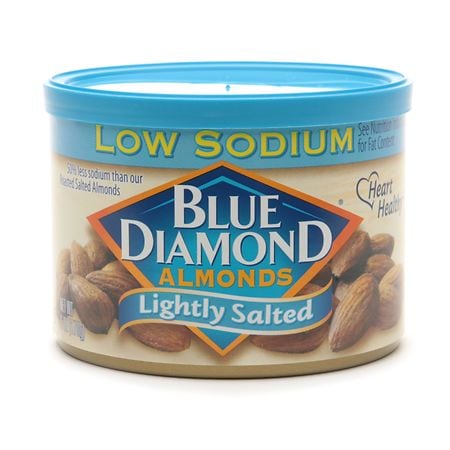


ALMONDS
Summary
This product contains almonds, which are nutrient-dense and provide healthy fats, protein, and fiber. However, the use of vegetable oils such as canola, safflower, and sunflower, which are high in omega-6 fatty acids and often processed with high heat and chemicals, detracts from its overall healthiness. The product is moderately processed, which limits its score despite the presence of beneficial ingredients.
At a glance
Key ingredients 3
AlmondsVery Good
Almonds are a nutrient-dense food rich in healthy fats, protein, and fiber. They provide essential vitamins and minerals, including vitamin E and magnesium, which support heart health and metabolic function. Their natural state ensures minimal processing, preserving their nutritional integrity.
Benefits
Rich in monounsaturated fats, protein, and fiber, almonds support heart health, weight management, and provide antioxidant benefits.
Vegetable oilVery Bad
Vegetable oils such as canola, safflower, and sunflower are high in omega-6 fatty acids, which can promote inflammation if consumed in excess. These oils are often extracted using high heat and chemical solvents, which may degrade their nutritional quality. Compared to healthier fats like olive oil, these oils are less beneficial due to their processing and fatty acid profile.
Risks
High omega-6 content may promote inflammation and contribute to chronic diseases when consumed in excess.
Sea saltGood
Unrefined sea salt — a minimally processed, natural source of sodium and essential trace minerals, and a legitimate whole-food seasoning. Treated as a positive ingredient.
Risks
Excessive sodium intake can lead to high blood pressure and cardiovascular issues.
Benefits
Provides essential sodium and trace minerals, supporting electrolyte balance and nerve function.
Processing
Processed Foods
Get the full breakdown in the Scout app
Scan any product to see lab results, healthy alternatives, and your personalized analysis.
Download on theApp Store