
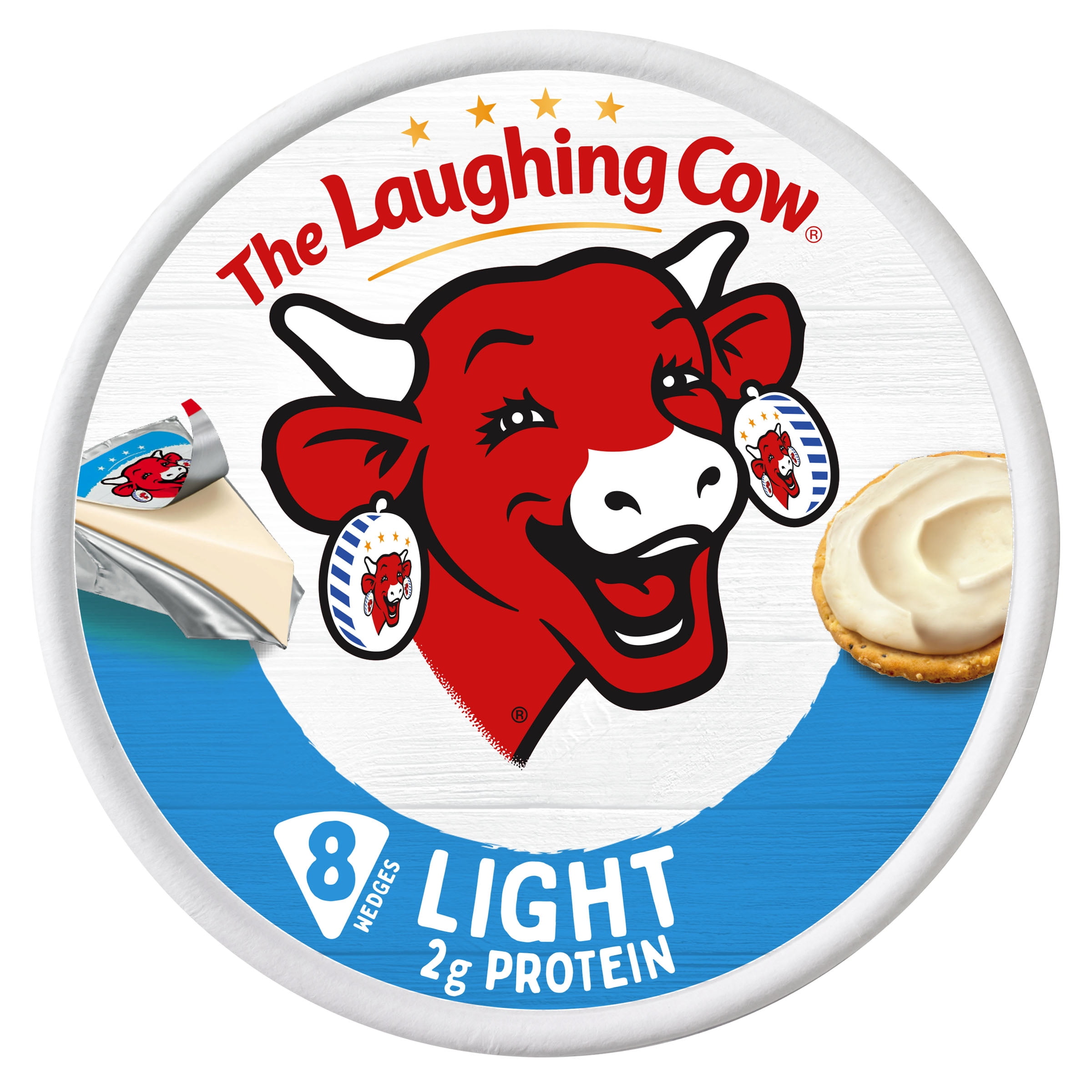


The Laughing Cow Light Spreadable Cheese Wedges
Summary
The Laughing Cow Light Spreadable Cheese Wedges are ultra-processed, containing additives like sodium polyphosphate and milk protein concentrate, which are used to enhance texture and protein content but may impact health negatively. While it includes beneficial ingredients such as cheddar and Swiss cheese, the presence of synthetic additives and the high level of processing limit its overall healthiness.
At a glance
Key ingredients 12
CheddarGood
Cheddar is a traditional cheese made from high-quality milk, providing a rich source of calcium and protein. It is aged to develop flavor and nutritional density. The aging process enhances its digestibility and nutrient absorption.
Risks
Contains lactose, which may cause digestive issues for those with lactose intolerance.
Benefits
Rich in calcium and protein, supporting bone health and muscle maintenance.
Semisoft And Swiss CheeseGood
Semisoft and Swiss cheese are made from pasteurized milk, offering a good balance of flavor and nutrients. These cheeses are typically lower in fat compared to other varieties. They provide essential nutrients like calcium and vitamin B12.
Risks
May contain lactose, which can be problematic for lactose-intolerant individuals.
Benefits
Provides calcium and vitamin B12, which are important for bone health and energy metabolism.
WheyNeutral
Whey is a byproduct of cheese production, often used as a protein supplement. It is a complete protein source with all essential amino acids. However, it is highly processed and may contain additives.
Risks
May cause digestive discomfort in some individuals, especially those with lactose intolerance.
Benefits
Provides a complete protein source, supporting muscle growth and repair.
Milk Protein ConcentrateBad
Milk protein concentrate is a processed ingredient used to boost protein content. It is less natural than whole milk and may contain additives. The processing can affect the quality and digestibility of the protein.
Risks
May contain residual lactose and cause digestive issues for sensitive individuals.
Benefits
Increases protein content, which can be beneficial for muscle maintenance.
WaterNeutral
Water is used as a filler and to adjust the texture of the cheese. It is a neutral ingredient with no nutritional value. Its presence helps in achieving the desired consistency of the product.
See more about Water →Skim MilkNeutral
Skim milk is used to reduce the fat content of the cheese while maintaining its calcium and protein levels. It is a low-fat alternative to whole milk. However, it lacks the fat-soluble vitamins present in whole milk.
Benefits
Provides calcium and protein with reduced fat content.
Sodium PolyphosphateVery Bad
Sodium polyphosphate is an emulsifier used to improve texture and shelf life. It is a synthetic additive with potential health concerns. Excessive consumption may lead to imbalances in mineral absorption.
Risks
May interfere with mineral absorption and contribute to kidney issues when consumed in large amounts.
Tricalcium PhosphateNeutral
Tricalcium phosphate is used as a calcium supplement and anti-caking agent. It helps maintain the product's texture and nutritional profile. It is generally recognized as safe when used in moderation.
Risks
Excessive intake may lead to imbalances in calcium and phosphorus levels.
Benefits
Provides additional calcium, supporting bone health.
SaltNeutral
Salt is used to enhance flavor and preserve the cheese. It is a common ingredient in cheese production. However, excessive salt intake can contribute to hypertension.
Risks
High sodium intake may increase the risk of hypertension and cardiovascular diseases.
Benefits
Enhances flavor and acts as a preservative.
Citric AcidNeutral
Citric acid is used as a preservative and to add acidity to the cheese. It is a naturally occurring acid found in citrus fruits. In small amounts, it is generally safe and enhances flavor.
Benefits
Enhances flavor and acts as a preservative.
Cholecalciferol (Vitamin D)Good
Cholecalciferol is a form of vitamin D added to enhance the nutritional profile of the cheese. It supports bone health and immune function. Fortification helps address common vitamin D deficiencies.
Benefits
Supports bone health and immune function by enhancing calcium absorption.
Vitamin A AcetateNeutral
Vitamin A acetate is added to fortify the cheese with vitamin A. It is important for vision and immune function. However, excessive intake can lead to toxicity.
Risks
Excessive intake may lead to vitamin A toxicity, causing liver damage and other health issues.
Benefits
Supports vision and immune function.
Processing
Ultra-Processed Foods
Get the full breakdown in the Scout app
Scan any product to see lab results, healthy alternatives, and your personalized analysis.
Download on theApp Store