
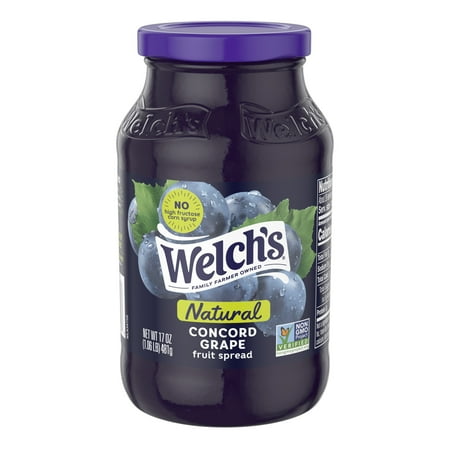


CONCORD GRAPE SPREAD
Summary
This grape spread is ultra-processed and contains a high amount of added sugar, which can contribute to health issues like obesity and diabetes. While it includes some natural ingredients like concord grapes, the presence of refined sugar and the level of processing significantly impact its healthiness. The use of fruit pectin and citric acid as additives is common in spreads, but the overall processing level limits its score.
At a glance
Key ingredients 5
Concord grapesNeutral
Concord grapes are a natural fruit ingredient providing flavor and natural sugars. They are typically used in spreads for their rich taste and color. However, the processing into a spread may reduce some of their natural nutrient content.
Benefits
Concord grapes contain antioxidants like resveratrol, which may support heart health.
SugarBad
Refined sugar is a common sweetener that can contribute to high caloric intake without providing essential nutrients. Excessive consumption is linked to various health issues such as obesity and diabetes. In processed foods, it often contributes to a high glycemic index.
Risks
High intake of refined sugar can lead to increased risk of metabolic disorders and dental cavities.
Fruit pectinNeutral
Fruit pectin is a natural gelling agent used to thicken spreads and jams. It is derived from fruits and is considered a natural additive. It helps achieve the desired texture in spreads without altering flavor.
Benefits
Pectin can aid in digestion and may help lower cholesterol levels.
Citric acidNeutral
Citric acid is a natural preservative and flavor enhancer commonly used in food products. It is derived from citrus fruits and helps maintain the acidity and freshness of the spread. In processed foods, it is used to balance flavors and extend shelf life.
Benefits
Citric acid can enhance flavor and act as a natural preservative.
Sodium citrateNeutral
Sodium citrate is a salt derived from citric acid used as an acidity regulator and preservative. It helps maintain the pH balance in food products, ensuring stability and shelf life. It is commonly used in processed foods for its buffering properties.
Risks
Excessive consumption may lead to an imbalance in electrolytes, but typical food use poses no significant risks.
Benefits
Sodium citrate can improve the stability and shelf life of food products.
Processing
Ultra-Processed Foods
Get the full breakdown in the Scout app
Scan any product to see lab results, healthy alternatives, and your personalized analysis.
Download on theApp Store