
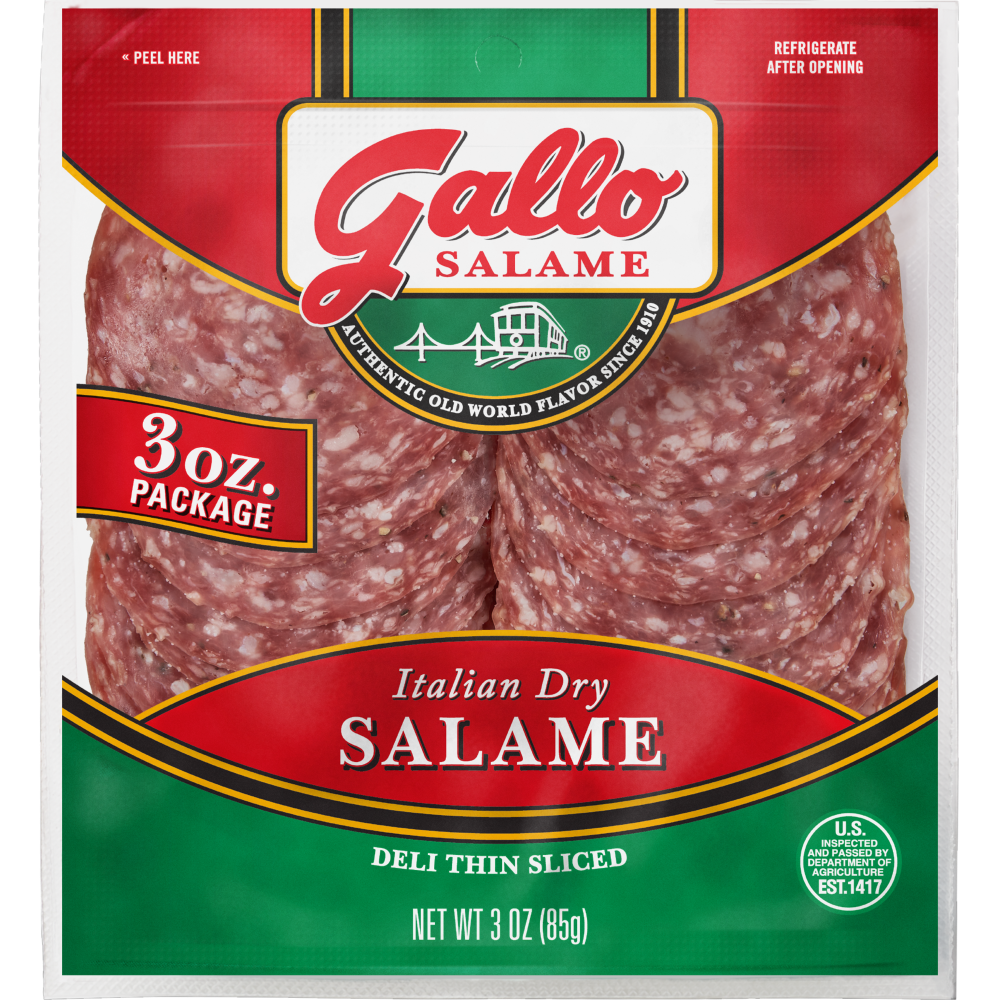


ITALIAN DRY SALAME, DELI THIN SLICED
Summary
This product is ultra-processed, which limits its potential health score despite containing beneficial ingredients like pork, natural spices, and garlic. The presence of sodium nitrite and sodium nitrate as preservatives raises health concerns due to their potential to form carcinogenic compounds. While the product has a relatively clean ingredient list for its category, the processing level and use of controversial additives impact its overall rating.
At a glance
Key ingredients 11
PorkGood
Pork is a high-quality source of protein and essential nutrients. It provides a rich amino acid profile necessary for muscle repair and growth. When sourced from well-raised animals, it can be a nutritious component of a balanced diet.
Risks
Potential risks include high saturated fat content and the possibility of contamination if not properly cooked.
Benefits
Rich in protein and essential vitamins and minerals such as B vitamins and zinc.
Nonfat dry milkNeutral
Nonfat dry milk is used as a binder and provides additional protein and calcium. It is a processed dairy product that retains most of the nutrients found in fresh milk. It is generally considered safe for consumption unless there is a lactose intolerance.
Risks
May cause digestive issues for those with lactose intolerance.
Benefits
Provides protein and calcium, contributing to bone health.
DextroseNeutral
Dextrose is a simple sugar used to enhance flavor and aid in fermentation. It is a refined carbohydrate that can quickly raise blood sugar levels. While it serves a functional purpose in food processing, it should be consumed in moderation.
Risks
Excessive consumption can lead to spikes in blood sugar and contribute to metabolic disorders.
Benefits
Provides a quick source of energy.
SaltNeutral
Salt is used for flavor enhancement and preservation. It is a common ingredient in processed meats to extend shelf life. While necessary for bodily functions, excessive intake can lead to health issues.
Risks
High sodium intake is associated with increased risk of hypertension and cardiovascular diseases.
Benefits
Essential for maintaining fluid balance and nerve function.
Potassium chlorideNeutral
Potassium chloride is used as a salt substitute to reduce sodium content. It provides potassium, an essential mineral for heart and muscle function. It is generally safe but should be consumed in moderation.
Risks
Excessive intake can lead to hyperkalemia, especially in individuals with kidney issues.
Benefits
Helps maintain electrolyte balance and supports cardiovascular health.
Natural spicesGood
Natural spices add flavor and may provide health benefits due to their antioxidant properties. They are minimally processed and can enhance the nutritional profile of foods. The specific spices used can vary, offering a range of potential benefits.
Benefits
May contain antioxidants and anti-inflammatory compounds.
GarlicGood
Garlic is known for its potential health benefits, including antimicrobial and cardiovascular effects. It contains allicin, which may help reduce cholesterol levels and improve heart health. It is a natural ingredient with minimal processing.
Benefits
May support immune function and cardiovascular health.
Lactic acid starter cultureNeutral
Lactic acid starter culture is used in fermentation to develop flavor and preserve the product. It is a natural component of many fermented foods and contributes to the tangy taste. It is generally considered safe and beneficial for gut health.
Benefits
Supports fermentation and may promote gut health.
Vitamin C (ascorbic acid)Good
Vitamin C is an antioxidant that helps preserve the color and flavor of processed meats. It is essential for collagen synthesis and immune function. As a natural preservative, it enhances the nutritional value of the product.
Benefits
Supports immune health and acts as an antioxidant.
Sodium nitriteBad
Sodium nitrite is used as a preservative and color fixative in processed meats. It can form nitrosamines, which are potentially carcinogenic, especially when meats are cooked at high temperatures. While effective in preventing bacterial growth, its health implications are concerning.
Risks
Potential formation of carcinogenic nitrosamines when exposed to high heat.
Benefits
Prevents bacterial growth and preserves color in processed meats.
Sodium nitrateBad
Sodium nitrate is used similarly to sodium nitrite for preservation and color retention. It can also form nitrosamines, which are linked to cancer risk. Its use is controversial due to these potential health risks.
Risks
Associated with the formation of nitrosamines, which may increase cancer risk.
Benefits
Helps preserve meat and maintain its color.
Processing
Ultra-Processed Foods
Get the full breakdown in the Scout app
Scan any product to see lab results, healthy alternatives, and your personalized analysis.
Download on theApp Store