
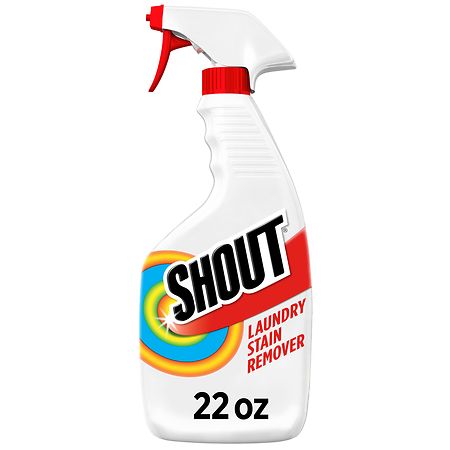


Shout Triple-Acting Laundry Stain Remover Spray - 22 fl oz: Bleach-Free, Phosphate-Free, Fresh Scent
Analysis updated July 2026 · How Scout scores
At a glance
Summary
This laundry stain remover contains synthetic fragrances, which can be a concern for indoor air quality and potential allergens. However, it is free from bleach and phosphates, which are positive attributes. The presence of plant-based enzymes like protease is beneficial, but the overall formulation includes several synthetic components, contributing to a higher level of processing.
Key ingredients 12
Protease EnzymeGood
Protease enzyme is a natural enzyme used to break down protein-based stains. It enhances the cleaning power of detergents by targeting specific types of stains. It is biodegradable and considered environmentally friendly.
Risks
May cause allergic reactions in some individuals upon inhalation or skin contact.
Benefits
Effectively breaks down protein stains, improving overall cleaning performance.
WaterNeutral
Water is a universal solvent used to dissolve other ingredients. It is essential for the formulation of liquid cleaning products. It does not contribute to cleaning efficacy directly but aids in the application of active ingredients.
Risks
There are no significant risks associated with water in cleaning products.
Benefits
Water helps in evenly distributing the cleaning agents on the fabric.
Isotridecanol Ethoxylated 3eoNeutral
Isotridecanol Ethoxylated 3eo is a nonionic surfactant used to enhance the cleaning power of detergents. It helps in breaking down and removing stains from fabrics. It is generally considered safe for use in cleaning products.
Risks
Prolonged exposure may cause skin irritation in sensitive individuals.
Benefits
It improves the overall cleaning performance by effectively removing grease and dirt.
Undeceth-40Neutral
Undeceth-40 is a synthetic surfactant used to improve the wetting and spreading properties of cleaning solutions. It is effective in removing oily stains. It is commonly used in various cleaning formulations.
Risks
May cause mild skin irritation upon direct contact.
Benefits
Enhances the cleaning efficiency by breaking down stubborn stains.
Citric AcidNeutral
Common acidulant and preservative — safe at typical use levels, neither beneficial nor harmful.
Risks
In high concentrations, it may cause skin irritation.
Benefits
Acts as a natural chelating agent, enhancing the cleaning power and reducing water hardness.
Sodium BorateNeutral
Sodium borate, also known as borax, is used as a buffering agent in cleaning products. It helps in maintaining the stability of the formulation. It is effective in softening water and enhancing cleaning performance.
Risks
Can be irritating to the skin and eyes upon direct contact.
Benefits
Improves the effectiveness of detergents by softening water and stabilizing enzymes.
Sodium HydroxideNeutral
Sodium hydroxide is a strong alkaline compound used to adjust the pH of cleaning solutions. It helps in breaking down organic matter and stains. It is commonly used in various cleaning and industrial applications.
Risks
Highly corrosive and can cause severe skin burns and eye damage.
Benefits
Enhances the cleaning power by breaking down tough stains and organic matter.
Polyacrylic Acid Sodium Bisulfite TerminatedNeutral
This polymer is used as a dispersing agent in cleaning products. It helps in preventing the redeposition of dirt on fabrics. It is stable and effective in various cleaning formulations.
Risks
Generally considered safe, but may cause mild irritation upon prolonged exposure.
Benefits
Prevents dirt from resettling on fabrics, enhancing cleaning efficiency.
2-Propenoic Acid, 2-Methyl-, Polymers With Ethyl Acrylate And Polyethylene Glycol Methacrylate C16-18-Alkyl EthersNeutral
This complex polymer is used to enhance the texture and stability of cleaning products. It helps in forming a uniform film on surfaces. It is commonly used in various industrial applications.
Risks
May cause mild skin irritation upon direct contact.
Benefits
Improves the application and consistency of the cleaning product.
DodecanolNeutral
Dodecanol is a fatty alcohol used as an emulsifier and surfactant in cleaning products. It helps in breaking down and removing oily stains. It is generally considered safe for use in cleaning formulations.
Risks
Prolonged exposure may cause skin irritation.
Benefits
Enhances the cleaning power by effectively removing grease and oil.
BenzisothiazolinoneBad
Benzisothiazolinone is a synthetic preservative used to prevent microbial growth in cleaning products. It is effective in extending the shelf life of formulations. However, it is known to cause skin sensitization and allergic reactions.
Risks
Can cause skin irritation and allergic reactions in sensitive individuals.
Benefits
Prevents microbial contamination, ensuring product stability and safety.
FragrancesBad
Fragrances are synthetic compounds used to impart a pleasant scent to cleaning products. They are often composed of various chemicals, some of which can cause allergic reactions. The exact composition is usually undisclosed, raising concerns about potential health effects.
Risks
Can cause skin irritation and allergic reactions in sensitive individuals.
Benefits
Provides a pleasant scent, enhancing the user experience.
Get the full breakdown in the Scout appTake Scout shopping
Scan any product to see lab results, healthy alternatives, and your personalized analysis.
Download on theApp Store GET IT ONGoogle PlayAmazon pricing & content
Amazon price as of . Product prices and availability are accurate as of the date/time indicated and are subject to change. Any price and availability information displayed on Amazon.com at the time of purchase will apply to the purchase of this product.
CERTAIN CONTENT THAT APPEARS ON THIS SITE COMES FROM AMAZON. THIS CONTENT IS PROVIDED “AS IS” AND IS SUBJECT TO CHANGE OR REMOVAL AT ANY TIME.