
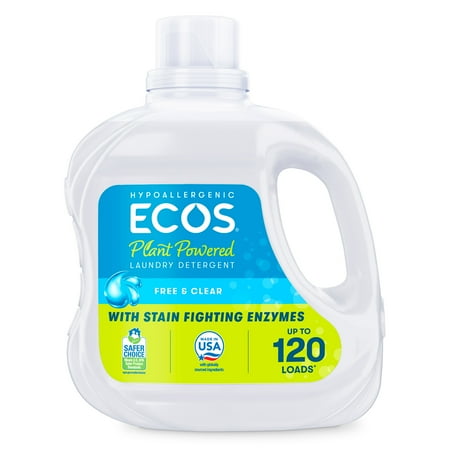
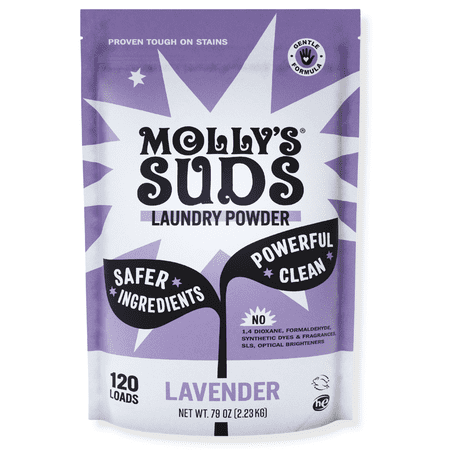
ECOS Hypoallergenic Liquid Laundry Detergent Free & Clear for Sensitive Skin 120 Loads 110oz
Analysis updated September 2026 · How Scout scores
At a glance
Summary
This laundry detergent is formulated with mild surfactants like Cocamidopropyl Betaine and Sodium Coco-Sulfate, which are derived from coconut oil and contribute to effective cleaning while being less irritating. The inclusion of an enzymatic blend enhances its cleaning power and biodegradability. However, the presence of Phenoxyethanol, a synthetic preservative, slightly impacts its safety profile, as it can cause skin irritation.
Key ingredients 10
Enzymatic BlendGood
Enzymatic Blend consists of enzymes that break down stains and soils. It enhances the cleaning power of the detergent. Enzymes are biodegradable and effective at low temperatures.
Risks
Rarely, enzymes can cause allergic reactions or respiratory issues if inhaled.
Benefits
Highly effective in removing protein-based stains and environmentally friendly.
WaterNeutral
Water is a universal solvent used to dissolve other ingredients. It helps in forming the liquid base of the detergent. It does not have any direct cleaning properties.
Risks
There are no significant risks associated with water in this context.
Benefits
Water is essential for dissolving and distributing other ingredients effectively.
Cocamidopropyl BetaineNeutral
Standard formulation ingredient — neither beneficial nor harmful at typical use.
Risks
In rare cases, it may cause skin irritation or allergic reactions.
Benefits
It is considered gentle on the skin and is biodegradable, making it environmentally friendly.
Cocamidopropylamine OxideNeutral
Cocamidopropylamine Oxide is a surfactant and foam booster derived from coconut oil. It is used to enhance the cleaning power of detergents. It is generally considered safe for use in cleaning products.
Risks
May cause mild skin irritation in sensitive individuals.
Benefits
It is effective in removing dirt and oils, contributing to the overall cleaning efficacy.
Sodium Coco-SulfateNeutral
Sodium Coco-Sulfate is a surfactant derived from coconut oil. It is used for its foaming and cleansing properties. It is considered less harsh than sodium lauryl sulfate.
Risks
Can cause skin irritation in some individuals, especially with prolonged exposure.
Benefits
Provides effective cleaning and foaming, derived from a natural source.
Sodium CitrateNeutral
Standard formulation ingredient — neither beneficial nor harmful at typical use.
Risks
Generally considered safe with no significant risks in this context.
Benefits
Improves cleaning efficiency by softening water and stabilizing pH.
Caprylyl GlycolNeutral
Caprylyl Glycol is a skin conditioning agent and preservative. It helps in maintaining the moisture balance of the product. It is often used in combination with other preservatives.
Risks
May cause mild irritation in sensitive individuals.
Benefits
Contributes to the preservation and stability of the product.
Sodium FormateNeutral
Sodium Formate is used as a buffering agent in detergents. It helps in maintaining the pH balance of the product. It is generally considered safe for use in cleaning products.
Benefits
Helps stabilize the pH, enhancing the performance of the detergent.
Sodium HydroxideNeutral
Sodium Hydroxide is used to adjust the pH of the detergent. It is a strong base that can be corrosive in high concentrations. In detergents, it is used in small amounts to ensure product stability.
Risks
Can cause skin irritation or burns if not properly diluted.
Benefits
Helps maintain the stability and effectiveness of the detergent.
PhenoxyethanolBad
Phenoxyethanol is a preservative used to prevent microbial growth. It is a synthetic compound that can cause skin irritation. It is often used as an alternative to parabens.
Risks
Potential for skin irritation and allergic reactions, especially in sensitive individuals.
Benefits
Helps extend the shelf life of the product by preventing microbial contamination.
Processing
Processed Foods
Get the full breakdown in the Scout appTake Scout shopping
Scan any product to see lab results, healthy alternatives, and your personalized analysis.
Download on theApp Store GET IT ONGoogle Play