


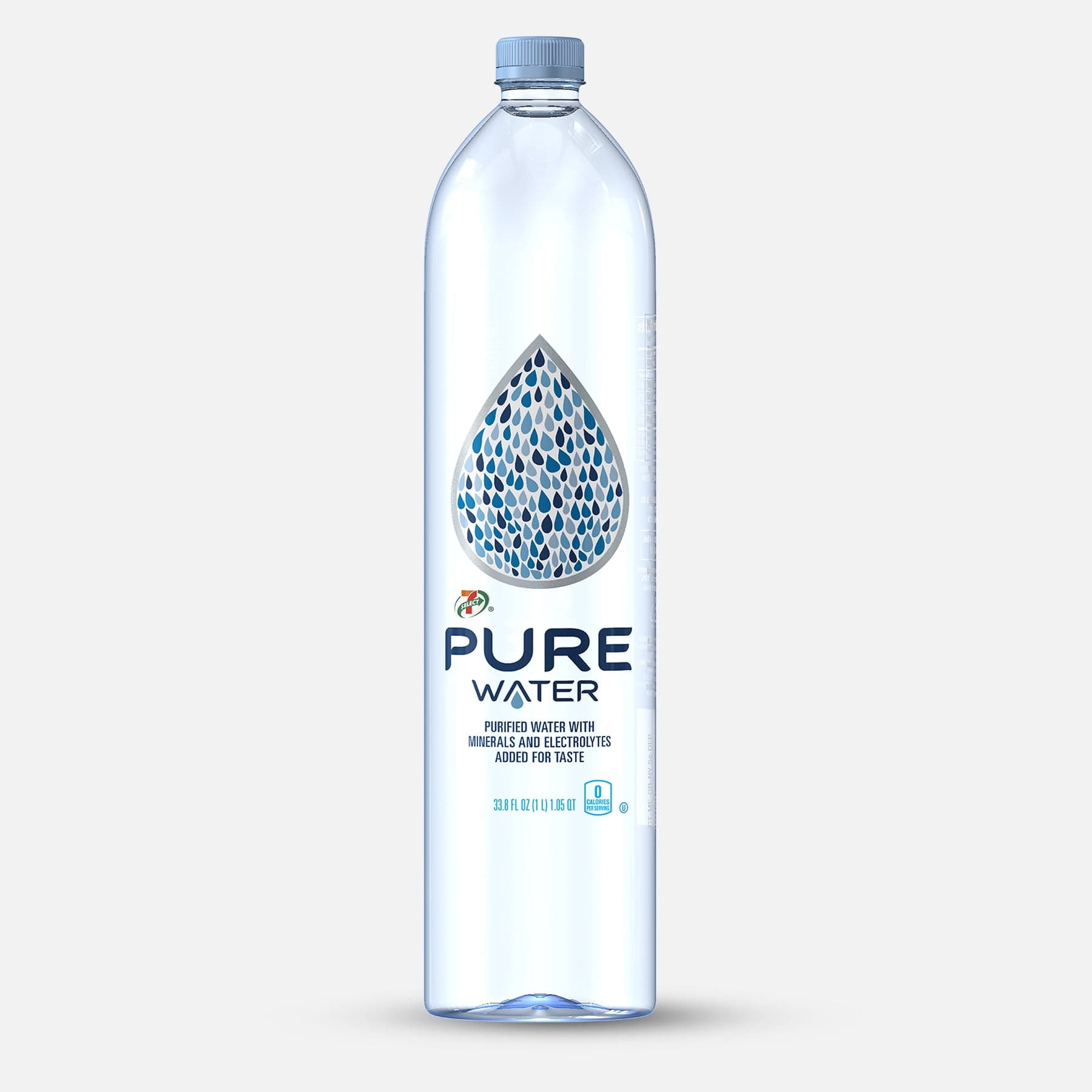


Purified Water
Summary
This product consists of purified water with added minerals like magnesium sulfate and potassium chloride, which are generally considered safe and beneficial for hydration. Despite being processed, it contains no harmful additives or artificial ingredients, maintaining a clean label. The processing level limits its maximum score, but the absence of problematic substances supports a relatively high rating within its category.
At a glance
Key ingredients 4
Purified WaterNeutral
Purified water is the primary component of this product, providing hydration without any additional nutrients or calories. It undergoes processing to remove impurities, ensuring safety and cleanliness. This ingredient is essential for maintaining bodily functions but does not offer additional health benefits beyond hydration.
See more about Purified Water →Magnesium SulfateNeutral
Magnesium sulfate is often added to water for its potential to enhance taste and provide a source of magnesium. It is a mineral compound that is generally recognized as safe when used in small amounts. While it can contribute to magnesium intake, the amounts in water are typically minimal and not significant for nutritional purposes.
Risks
Excessive intake may lead to digestive issues, but the amounts in water are generally too low to pose a risk.
Benefits
May provide a small amount of magnesium, which is essential for muscle and nerve function.
Potassium ChlorideNeutral
Potassium chloride is used in beverages to enhance flavor and provide a source of potassium. It is a mineral salt that can help balance electrolytes in the body. However, the quantities present in water are usually not enough to significantly impact potassium levels.
Risks
High doses can affect heart function, but typical beverage concentrations are safe.
Benefits
Provides a minor source of potassium, which is important for maintaining normal cell function.
SaltNeutral
Salt is added to enhance the flavor profile of the water, contributing to the overall taste experience. It is a common additive in processed foods and beverages. While it can improve taste, the sodium content is typically low in such products.
Risks
Excessive sodium intake can lead to hypertension, but the levels in this product are minimal.
Processing
Processed Foods
Get the full breakdown in the Scout app
Scan any product to see lab results, healthy alternatives, and your personalized analysis.
Download on theApp Store