


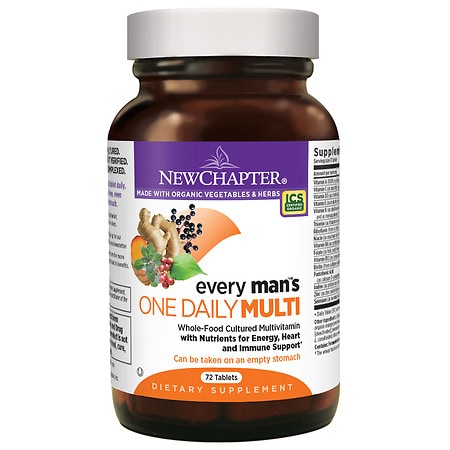
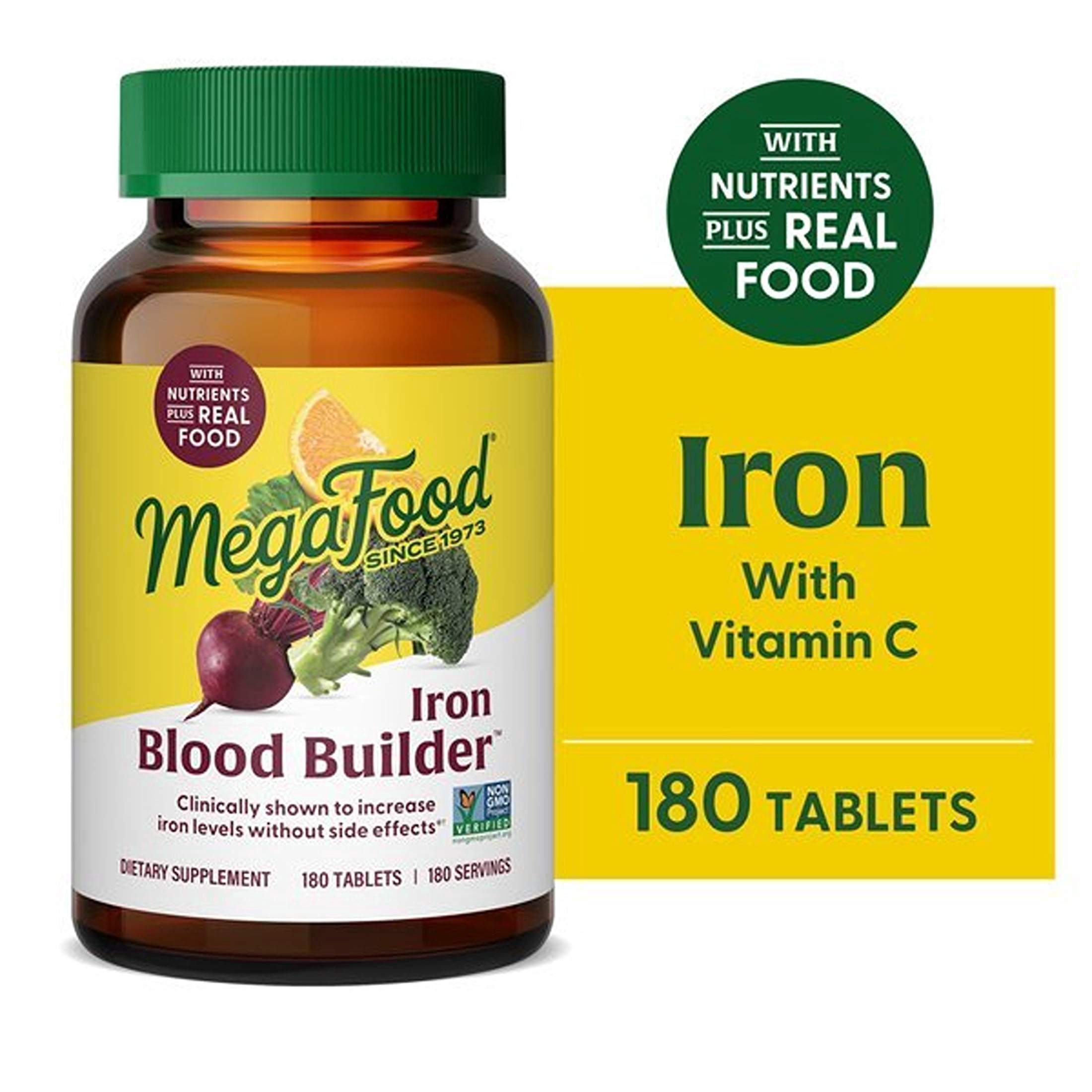

MegaFood One Daily Multivitamin - Multivitamin for Women and Men - with Real Food - Immune Support Supplement -Vitamin C & Vitamin B - Bone Health - Energy Metabolism - Vegetarian Non-GMO - 60 Tabs
Summary
This multivitamin features a range of bioavailable and beneficial ingredients, including fermented iron bisglycinate and iodine glycinate, which enhance absorption and reduce side effects. The inclusion of organic fruits and vegetables, such as orange and blueberry, provides natural antioxidants and vitamins, supporting overall health. The formulation is clean with minimal additives, making it a high-quality choice for daily nutritional support.
At a glance
Key ingredients 34
Pantothenic AcidGood
Pantothenic Acid is a B vitamin essential for synthesizing coenzyme A, which is crucial for fatty acid metabolism. It is typically well-tolerated and supports energy production and hormone synthesis. This ingredient is beneficial for maintaining healthy skin and reducing fatigue.
Benefits
Supports energy metabolism and the synthesis of essential lipids and neurotransmitters.
IronGood
Iron is a critical mineral for oxygen transport in the blood and energy production. The use of fermented iron bisglycinate enhances absorption and reduces gastrointestinal side effects. It is essential for preventing anemia and supporting overall vitality.
Risks
Excessive iron intake can lead to toxicity and gastrointestinal issues.
Benefits
Improves oxygen transport and energy levels, reducing fatigue and supporting immune function.
IodineGood
Iodine is essential for thyroid hormone production, which regulates metabolism. Fermented iodine glycinate may improve bioavailability and reduce potential side effects. Adequate iodine intake is crucial for cognitive function and metabolic health.
Risks
Excessive iodine can lead to thyroid dysfunction.
Benefits
Supports thyroid health and metabolic regulation.
Organic OrangeGood
Organic orange provides natural vitamin C and antioxidants, supporting immune health. Being organic ensures minimal pesticide exposure and higher nutrient retention. It contributes to collagen synthesis and skin health.
Benefits
Rich in vitamin C, enhancing immune function and antioxidant protection.
Organic Brown RiceNeutral
Organic brown rice is a whole grain providing fiber and essential nutrients. Its organic nature reduces pesticide exposure, but it is primarily used as a filler in supplements. While it offers some nutritional value, its role in this product is minimal.
Benefits
Provides fiber and essential nutrients, though in minimal amounts.
Organic CranberryGood
Organic cranberry is rich in antioxidants and supports urinary tract health. Its organic status ensures reduced pesticide exposure and higher phytonutrient content. It may also contribute to cardiovascular health.
Benefits
Supports urinary tract health and provides antioxidant benefits.
Organic BlueberryGood
Organic blueberry is high in antioxidants, particularly anthocyanins, which support brain and heart health. The organic certification ensures minimal pesticide exposure and maximizes nutrient content. It is beneficial for reducing oxidative stress.
Benefits
Enhances cognitive function and provides cardiovascular benefits.
CarrotGood
Carrots are rich in beta-carotene, a precursor to vitamin A, essential for vision and immune function. They provide antioxidants that protect against cellular damage. Carrots contribute to skin health and may reduce the risk of chronic diseases.
Benefits
Supports vision and immune health through beta-carotene content.
CabbageGood
Cabbage is a cruciferous vegetable rich in vitamins C and K, supporting immune and bone health. It contains glucosinolates, which may have cancer-protective properties. Cabbage is beneficial for digestive health due to its fiber content.
Benefits
Provides vitamins and antioxidants, supporting immune and digestive health.
Organic BroccoliGood
Organic broccoli is a nutrient-dense vegetable high in vitamins C, K, and folate. Its organic status ensures reduced pesticide exposure and higher nutrient retention. Broccoli supports detoxification and may reduce cancer risk.
Benefits
Rich in nutrients that support detoxification and overall health.
Vitamin CVery Good
Vitamin C is a powerful antioxidant that supports immune function and collagen synthesis. It enhances iron absorption and protects against oxidative stress. This vitamin is crucial for skin health and wound healing.
Risks
Excessive intake can lead to gastrointestinal discomfort.
Benefits
Boosts immune function and enhances skin health through collagen production.
ZincGood
Zinc is an essential mineral that supports immune function and wound healing. It plays a role in DNA synthesis and cell division. Adequate zinc intake is crucial for maintaining a healthy immune response.
Risks
Excessive zinc can interfere with copper absorption and cause nausea.
Benefits
Supports immune health and aids in wound healing.
Vitamin B12Very Good
Vitamin B12 is essential for nerve function and red blood cell formation. It is crucial for DNA synthesis and energy production. This vitamin is particularly important for vegetarians and vegans who may have limited dietary sources.
Benefits
Supports energy metabolism and neurological health.
Vitamin B6Good
Vitamin B6 is involved in amino acid metabolism and neurotransmitter synthesis. It supports brain health and reduces inflammation. Adequate intake is important for mood regulation and cognitive function.
Risks
Excessive intake can lead to nerve damage.
Benefits
Enhances brain health and supports neurotransmitter production.
FolateVery Good
Folate is crucial for DNA synthesis and cell division, particularly important during pregnancy. It supports cardiovascular health by reducing homocysteine levels. Adequate folate intake is essential for preventing neural tube defects.
Benefits
Supports fetal development and cardiovascular health.
EggsNeutral
Eggs are a source of high-quality protein and essential nutrients like choline. They provide a complete amino acid profile but are not a primary component of this supplement. Eggs are beneficial for muscle maintenance and brain health.
Risks
Potential allergen for some individuals.
Benefits
Provides high-quality protein and essential nutrients.
PeanutsNeutral
Peanuts are a source of protein and healthy fats, but they are not a primary component of this supplement. They offer some nutritional benefits but are primarily included for their protein content. Peanuts can support heart health due to their monounsaturated fat content.
Risks
Potential allergen for some individuals.
Benefits
Provides protein and healthy fats, supporting heart health.
Tree NutsNeutral
Tree nuts provide healthy fats, protein, and essential nutrients. They are not a primary component of this supplement but offer some nutritional benefits. Tree nuts can support heart health and provide antioxidant protection.
Risks
Potential allergen for some individuals.
Benefits
Rich in healthy fats and nutrients, supporting heart health.
SoyNeutral
Soy provides protein and isoflavones, which may have health benefits. It is not a primary component of this supplement but offers some nutritional value. Soy can support heart health and bone density.
Risks
Potential allergen for some individuals.
Benefits
Provides protein and isoflavones, supporting heart health.
WheatNeutral
Wheat is a source of carbohydrates and some nutrients but is not a primary component of this supplement. It offers minimal nutritional benefits in this context. Wheat can provide energy and some fiber.
Risks
Potential allergen for some individuals.
Benefits
Provides carbohydrates and some fiber.
FishNeutral
Fish is a source of high-quality protein and omega-3 fatty acids. It is not a primary component of this supplement but offers some nutritional benefits. Fish can support heart health and cognitive function.
Risks
Potential allergen for some individuals.
Benefits
Provides omega-3 fatty acids, supporting heart and brain health.
Ferment MediaNeutral
Ferment media, including organic brown rice and yeast extract, is used to enhance nutrient absorption. It provides a medium for fermentation, improving bioavailability. This ingredient supports the probiotic content of the supplement.
Benefits
Enhances nutrient absorption and supports probiotic activity.
Microcrystalline CelluloseNeutral
Microcrystalline cellulose is a common filler and binder in supplements. It is used to provide structure and stability to tablets. While it offers no nutritional benefits, it is generally considered safe.
Benefits
Provides structural integrity to tablets.
Rice ProteinNeutral
Rice protein is a plant-based protein source used in supplements. It provides essential amino acids but is not as complete as animal-based proteins. Rice protein can support muscle maintenance and recovery.
Benefits
Provides plant-based protein, supporting muscle health.
SiliconNeutral
Silicon is used as an anti-caking agent in supplements. It helps maintain the free-flowing nature of powders and tablets. Silicon offers no significant nutritional benefits but is considered safe for consumption.
Benefits
Maintains product consistency and prevents clumping.
ProbioticGood
Probiotics are beneficial bacteria that support gut health and immune function. They help maintain a healthy balance of gut flora and improve digestion. Probiotics can enhance nutrient absorption and reduce gastrointestinal issues.
Benefits
Supports digestive health and boosts immune function.
PrebioticGood
Prebiotics are non-digestible fibers that promote the growth of beneficial gut bacteria. They enhance the effectiveness of probiotics and support digestive health. Prebiotics can improve gut flora balance and enhance nutrient absorption.
Benefits
Promotes healthy gut bacteria and supports digestion.
Omega 3Very Good
Omega 3 fatty acids are essential for heart and brain health. They reduce inflammation and support cognitive function. Omega 3s are crucial for cardiovascular health and may reduce the risk of chronic diseases.
Benefits
Supports heart health and reduces inflammation.
EPAVery Good
EPA is an omega-3 fatty acid that supports cardiovascular and mental health. It reduces inflammation and may lower the risk of heart disease. EPA is beneficial for mood regulation and cognitive function.
Benefits
Reduces inflammation and supports heart and brain health.
DHAVery Good
DHA is an omega-3 fatty acid crucial for brain development and function. It supports cognitive health and reduces inflammation. DHA is essential for maintaining healthy vision and neurological function.
Benefits
Supports brain health and reduces inflammation.
Magnesium GlycinateGood
Magnesium glycinate is a highly absorbable form of magnesium that supports muscle and nerve function. It is gentle on the stomach and helps reduce muscle cramps and tension. Magnesium is essential for energy production and bone health.
Risks
Excessive intake can cause diarrhea and gastrointestinal discomfort.
Benefits
Supports muscle relaxation and energy metabolism.
Vitamin D3Very Good
Vitamin D3 is essential for calcium absorption and bone health. It supports immune function and may reduce the risk of chronic diseases. Adequate vitamin D3 levels are crucial for maintaining healthy bones and teeth.
Risks
Excessive intake can lead to hypercalcemia.
Benefits
Enhances calcium absorption and supports bone health.
Vitamin KGood
Vitamin K is essential for blood clotting and bone metabolism. It supports cardiovascular health by preventing arterial calcification. Vitamin K is crucial for maintaining bone density and reducing fracture risk.
Benefits
Supports bone health and cardiovascular function.
Vitamin K2Very Good
Vitamin K2 is important for directing calcium to bones and away from arteries. It supports bone density and cardiovascular health. Vitamin K2 is more effective than K1 in supporting bone and heart health.
Benefits
Enhances bone health and reduces arterial calcification.
Processing
Processed Foods
Get the full breakdown in the Scout app
Scan any product to see lab results, healthy alternatives, and your personalized analysis.
Download on theApp Store