
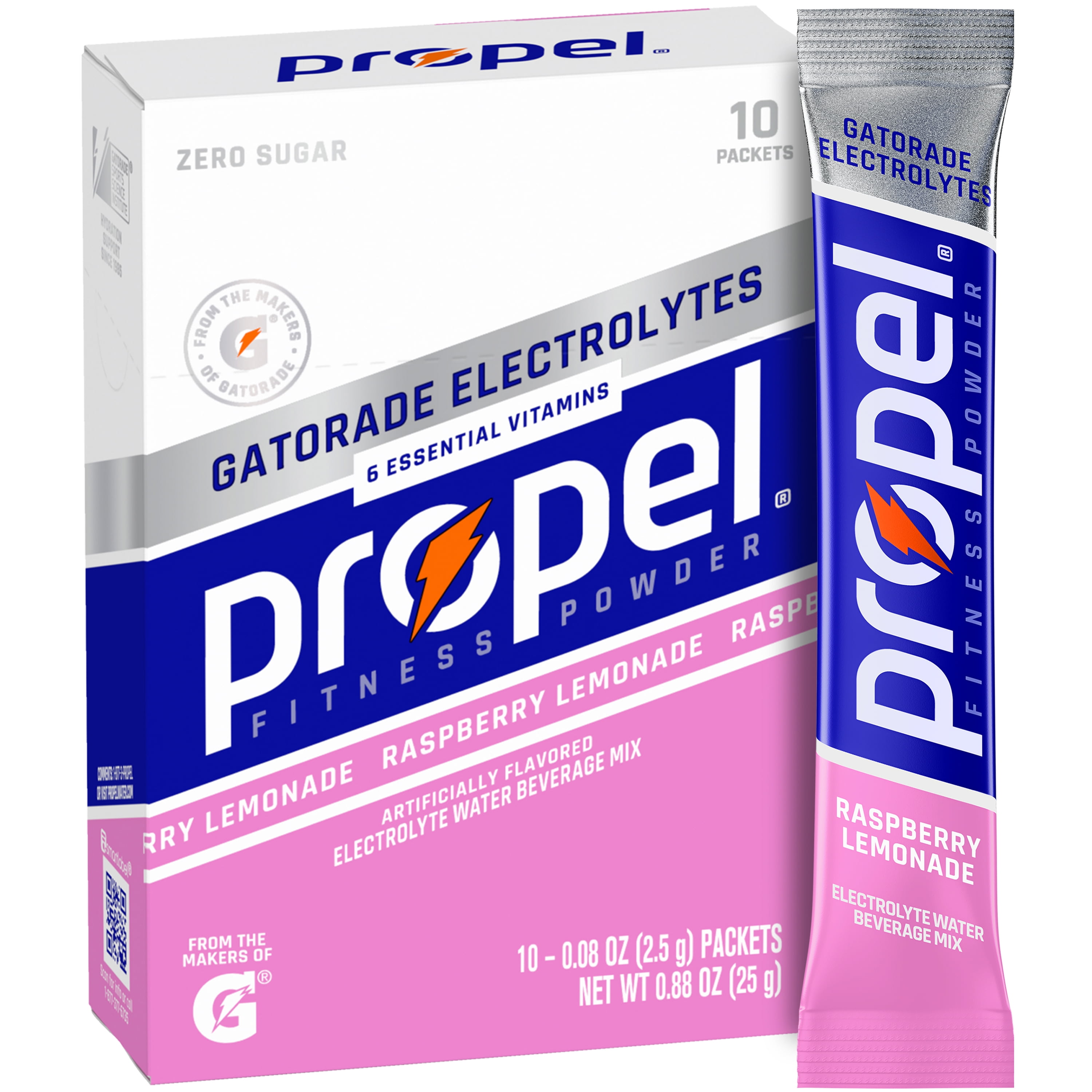

Raspberry Lemonade Electrolyte
Summary
This beverage contains both sugar and sucralose, which are concerning due to their potential health impacts, including metabolic issues and gut health concerns. The product is moderately processed, which limits its score, and includes several additives like maltodextrin and modified food starch. However, the presence of ascorbic acid provides some nutritional benefit, contributing to a slightly better rating within its category.
At a glance
Key ingredients 9
Citric AcidNeutral
Citric acid is a natural acid found in citrus fruits and used as a preservative and flavor enhancer. It is generally recognized as safe and is commonly used in food and beverages. However, excessive consumption may lead to dental erosion.
Risks
Excessive consumption may lead to dental erosion.
Sodium CitrateNeutral
Sodium citrate is used as a buffering agent to maintain acidity in beverages. It is generally recognized as safe and helps stabilize the product. It does not provide any significant nutritional benefits.
See more about Sodium Citrate →SaltNeutral
Salt is used to enhance flavor and as an electrolyte in hydration drinks. While necessary for bodily functions, excessive intake can lead to health issues such as hypertension. In moderation, it helps maintain fluid balance in the body.
Risks
Excessive intake can lead to hypertension and cardiovascular issues.
Benefits
Helps maintain fluid balance and supports nerve and muscle function.
Monopotassium PhosphateNeutral
Monopotassium phosphate is used as an electrolyte and pH stabilizer in beverages. It is generally recognized as safe and helps replenish potassium levels. However, excessive consumption can lead to imbalances in mineral levels.
Risks
Excessive consumption can lead to imbalances in mineral levels.
Benefits
Helps replenish potassium levels, which are essential for muscle function.
MaltodextrinNeutral
Maltodextrin is a carbohydrate used as a thickener and to improve texture. It is rapidly absorbed and can cause spikes in blood sugar levels. It provides quick energy but lacks significant nutritional benefits.
Risks
Can cause spikes in blood sugar levels, especially in individuals with insulin sensitivity.
Benefits
Provides quick energy due to its rapid absorption.
Modified Food StarchNeutral
Modified food starch is used to improve texture and stability in processed foods. It is generally recognized as safe but offers no significant nutritional benefits. It is often derived from corn, potato, or tapioca.
See more about Modified Food Starch →SugarBad
Sugar is used as a sweetener and can contribute to the palatability of beverages. However, excessive consumption is linked to obesity, diabetes, and other metabolic disorders. It provides empty calories with no essential nutrients.
Risks
Excessive consumption is linked to obesity, diabetes, and other metabolic disorders.
SucraloseBad
Sucralose is an artificial sweetener used to provide sweetness without calories. It is controversial due to potential impacts on gut health and metabolism. While it is calorie-free, its long-term health effects are still under study.
Risks
Potential impacts on gut health and metabolism; long-term health effects are still under study.
Benefits
Provides sweetness without adding calories.
Ascorbic AcidGood
Ascorbic acid, also known as Vitamin C, is an essential nutrient and antioxidant. It supports immune function and skin health and helps in the absorption of iron from plant-based foods. It is a beneficial addition to beverages for its health-promoting properties.
Benefits
Supports immune function, skin health, and enhances iron absorption.
Processing
Processed Foods
Get the full breakdown in the Scout app
Scan any product to see lab results, healthy alternatives, and your personalized analysis.
Download on theApp Store