

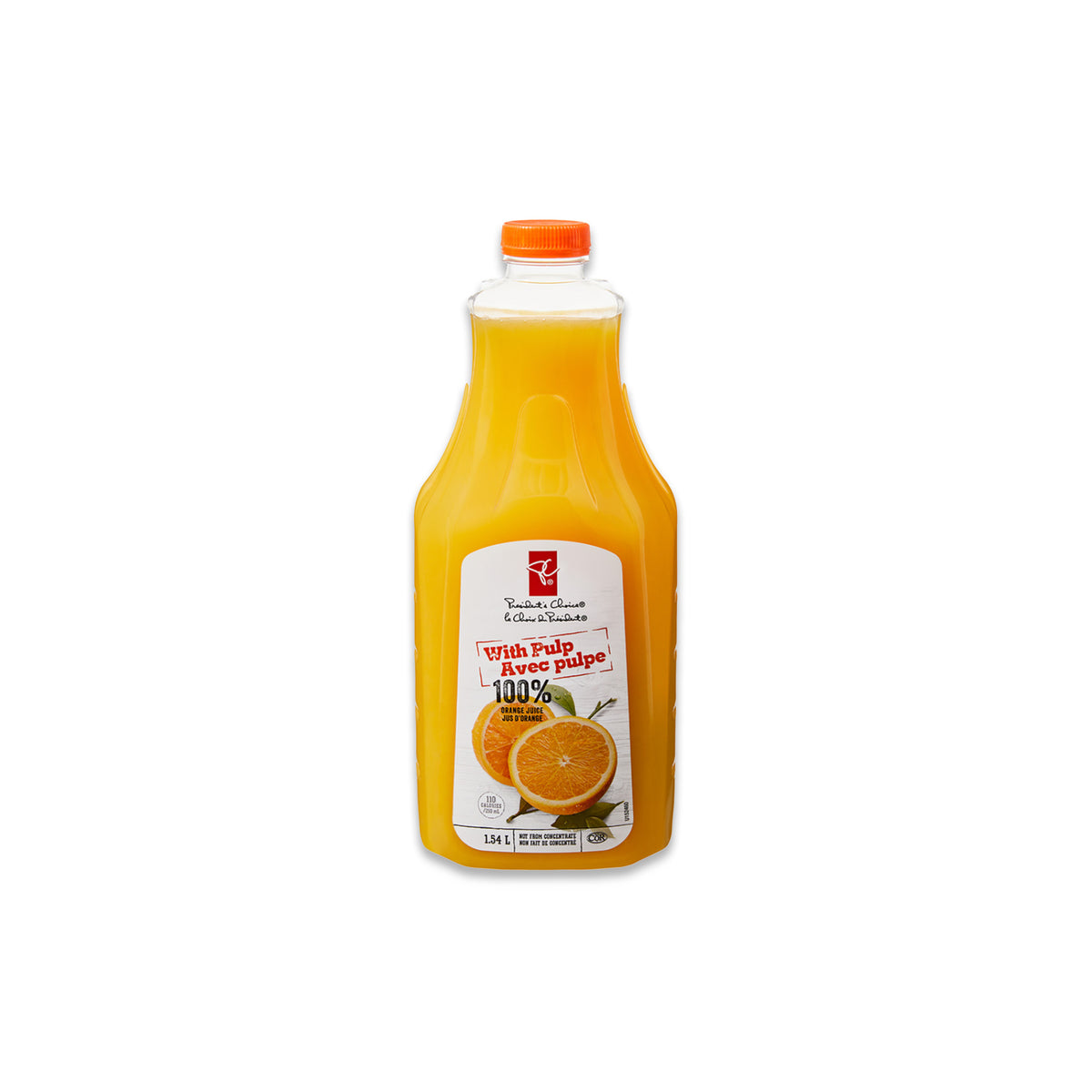

Simply Orange Juice Lots Of Pulp 100% Not From Concentrate
Analysis updated June 2026 · How Scout scores
At a glance
Summary
This orange juice is made from 100% orange juice not from concentrate, which retains more nutrients compared to reconstituted juices. The presence of orange pulp adds dietary fiber and enhances the nutritional profile, while the addition of ascorbic acid boosts vitamin C content. The use of natural flavors is a minor concern due to potential processing, but overall, the product is minimally processed and offers significant health benefits.
Key ingredients 7
100% orange juiceGood
This ingredient is pure orange juice, providing natural flavor and nutrients without additives.
Orange JuiceGood
Additional orange juice enhances the natural citrus flavor and vitamin content of the product.
See more about Orange Juice →Orange PulpGood
Orange pulp adds fiber and texture, enriching the drinking experience with natural fruit components.
See more about Orange Pulp →Ascorbic Acid (Vitamin C)Good
Ascorbic acid is a form of vitamin C that supports the immune system and helps preserve the juice's freshness.
See more about Ascorbic Acid (Vitamin C) →Filtered WaterNeutral
Standard formulation ingredient — neither beneficial nor harmful at typical use.
See more about Filtered Water →Citric AcidNeutral
Common acidulant and preservative — safe at typical use levels, neither beneficial nor harmful.
See more about Citric Acid →Natural FlavourNeutral
Natural flavour is used to enhance the taste without artificial additives, maintaining a natural profile.
See more about Natural Flavour →Processing
Processed Culinary Ingredients
Get the full breakdown in the Scout appTake Scout shopping
Scan any product to see lab results, healthy alternatives, and your personalized analysis.
Download on theApp Store GET IT ONGoogle PlayAmazon pricing & content
Amazon price as of . Product prices and availability are accurate as of the date/time indicated and are subject to change. Any price and availability information displayed on Amazon.com at the time of purchase will apply to the purchase of this product.
CERTAIN CONTENT THAT APPEARS ON THIS SITE COMES FROM AMAZON. THIS CONTENT IS PROVIDED “AS IS” AND IS SUBJECT TO CHANGE OR REMOVAL AT ANY TIME.