


At a glance
Summary
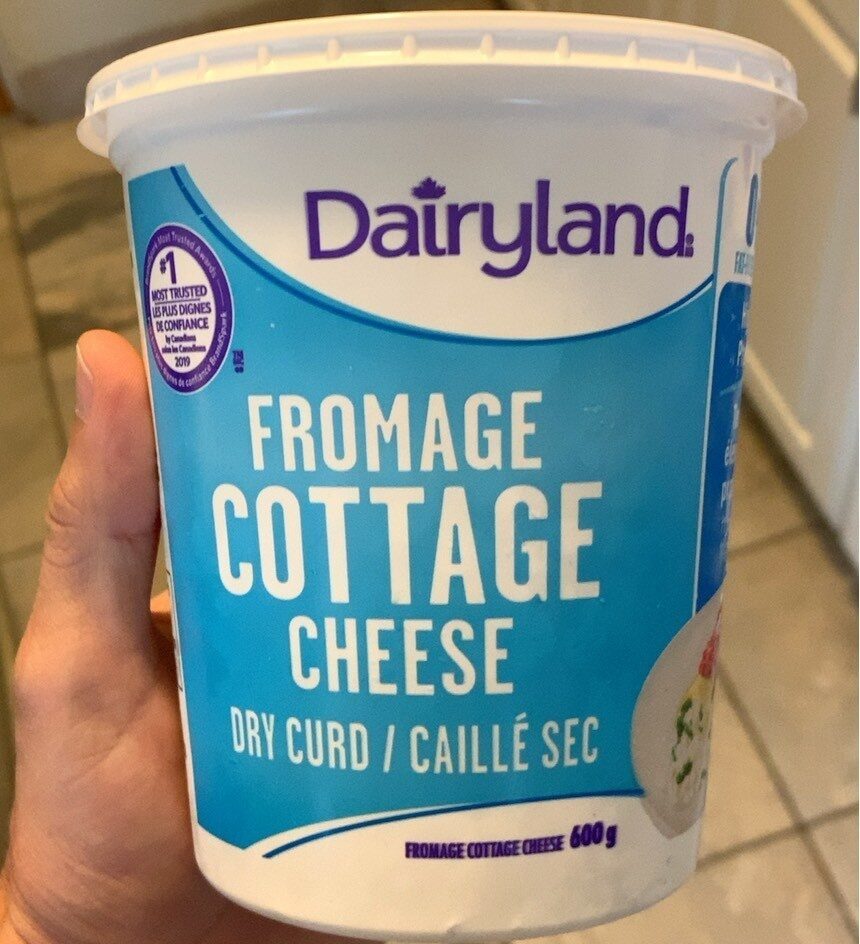
This cottage cheese is made from skim milk, bacterial culture, and microbial enzyme, which are simple and clean ingredients. It is a processed food, but the absence of harmful additives or seed oils allows it to score well within its category. The product provides a good source of protein with minimal sugars and salt, making it a healthy choice among processed dairy products.
Key ingredients 3
Skim milkNeutral
Standard formulation ingredient — neither beneficial nor harmful at typical use.
Benefits
Rich in calcium and protein, supporting bone health and muscle maintenance. Low in saturated fat, making it a heart-healthy choice.
Bacterial cultureNeutral
Bacterial cultures are used in dairy products to ferment milk, aiding in the development of flavor and texture. They are essential for the production of cheese and yogurt, contributing to the probiotic content. However, the specific health benefits depend on the strains used and their viability.
Benefits
May contribute to gut health by providing beneficial bacteria, depending on the strains used.
Microbial enzymeNeutral
Microbial enzymes are used in cheese production to coagulate milk, replacing animal-derived rennet. They are derived from microbial sources and are considered suitable for vegetarians. The impact on health is neutral as they primarily serve a functional role in cheese making.
Benefits
Allows for cheese production without animal-derived rennet, making it suitable for vegetarians.
Processing
Processed Foods
Get the full breakdown in the Scout appTake Scout shopping
Scan any product to see lab results, healthy alternatives, and your personalized analysis.
Download on theApp Store GET IT ONGoogle Play