


:max_bytes(150000):strip_icc()/ar-trader-joes-best-new-products-june-pancakes-ar-tjs-4x3-cf1d02d83e7744608dfa76d3fdaf1036.jpg)
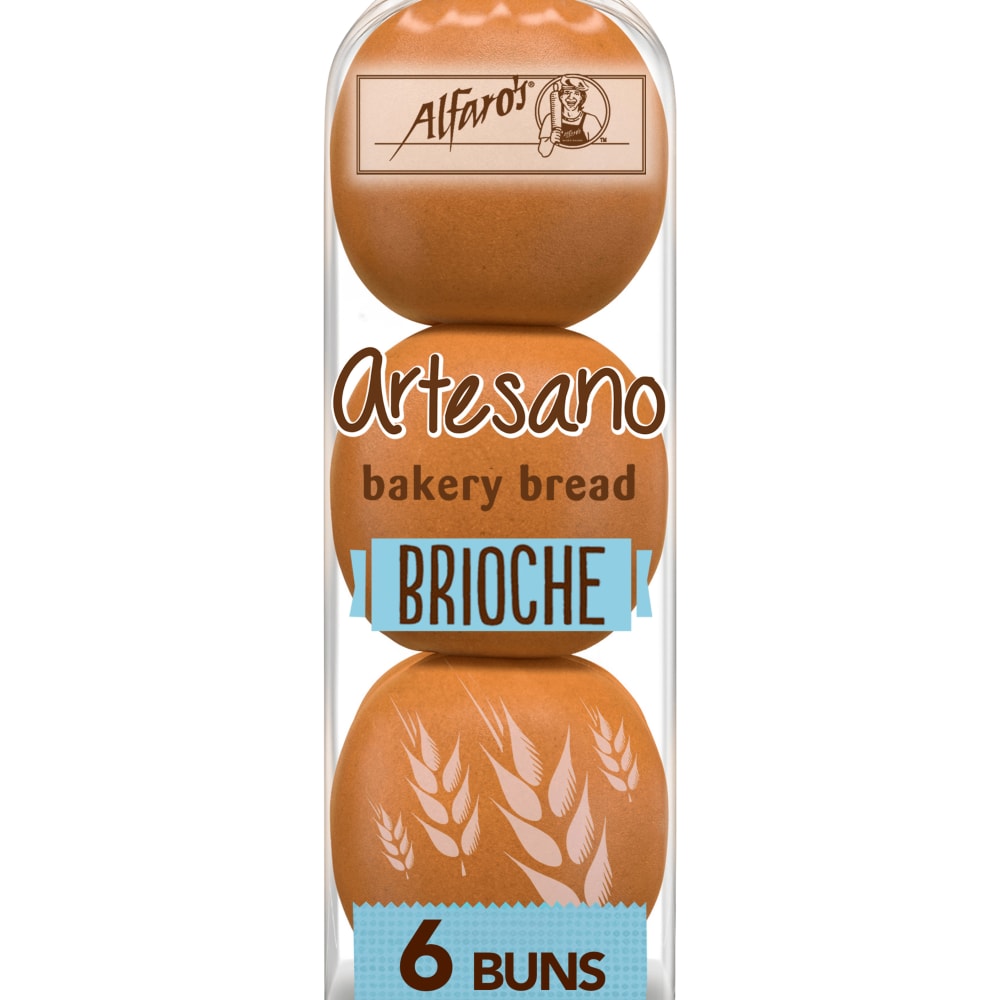
Brioche Bun
Summary
The brioche bun is a processed food with a moderate level of processing, containing ingredients like enriched wheat flour and sugar, which are less desirable due to their refined nature. However, it includes beneficial ingredients such as eggs and butter, which provide quality protein and fats. The presence of sugar and the processed nature of the product limit its healthiness, but the absence of harmful additives like artificial colors or seed oils is a positive aspect.
At a glance
Key ingredients 10
Enriched Wheat FlourNeutral
Enriched wheat flour is a refined flour that has been fortified with vitamins and minerals. It lacks the fiber and nutrients found in whole grain flour. While it provides essential nutrients, it may contribute to blood sugar spikes.
Risks
May contribute to blood sugar spikes and lacks the fiber of whole grains.
Benefits
Provides essential vitamins and minerals due to fortification.
WaterNeutral
Water is a basic ingredient used to hydrate and bind other ingredients. It is essential for the dough formation in bread products. It does not provide any nutritional benefits or risks.
See more about Water →SugarBad
Sugar is a refined carbohydrate that can contribute to increased blood sugar levels. Excessive consumption is linked to various health issues such as obesity and diabetes. It provides quick energy but lacks nutritional value.
Risks
Excessive consumption can lead to obesity, diabetes, and other metabolic disorders.
Benefits
Provides quick energy but lacks significant nutritional benefits.
EggsGood
Eggs are a high-quality source of protein and contain essential amino acids. They also provide important nutrients like choline and vitamin D. Eggs can support muscle health and overall nutrition.
Risks
Potential allergen for some individuals.
Benefits
Rich in high-quality protein and essential nutrients like choline and vitamin D.
YeastNeutral
Yeast is a microorganism used in baking to ferment and leaven dough. It contributes to the texture and flavor of bread products. Yeast itself does not provide significant nutritional benefits or risks.
Benefits
Contributes to the texture and flavor of bread products.
ButterGood
Butter is a dairy product rich in saturated fats and fat-soluble vitamins. It provides a creamy texture and flavor to baked goods. When consumed in moderation, it can be part of a balanced diet.
Risks
High in saturated fats, which should be consumed in moderation.
Benefits
Rich in fat-soluble vitamins and provides a creamy texture and flavor.
Soy LecithinNeutral
Soy lecithin is an emulsifier used to improve texture and shelf life in baked goods. It is derived from soybeans and is generally considered safe. It does not provide significant nutritional benefits.
Risks
Potential allergen for individuals sensitive to soy.
Benefits
Improves texture and shelf life of baked goods.
SaltNeutral
Salt is used to enhance flavor and act as a preservative in food products. It is essential for various bodily functions but should be consumed in moderation. Excessive intake can lead to health issues like hypertension.
Risks
Excessive intake can lead to hypertension and cardiovascular issues.
Benefits
Enhances flavor and acts as a preservative.
Annatto ExtractNeutral
Annatto extract is a natural coloring agent derived from the seeds of the achiote tree. It is used to impart a yellow or orange color to foods. It is generally considered safe with no significant health risks.
Benefits
Provides natural coloring without artificial additives.
Bun GlazeNeutral
Bun glaze is typically used to give baked goods a shiny appearance. It is usually made from simple ingredients like water and sugar. It does not provide significant nutritional benefits or risks.
Benefits
Enhances the appearance of baked goods.
Processing
Processed Foods
Get the full breakdown in the Scout app
Scan any product to see lab results, healthy alternatives, and your personalized analysis.
Download on theApp Store