




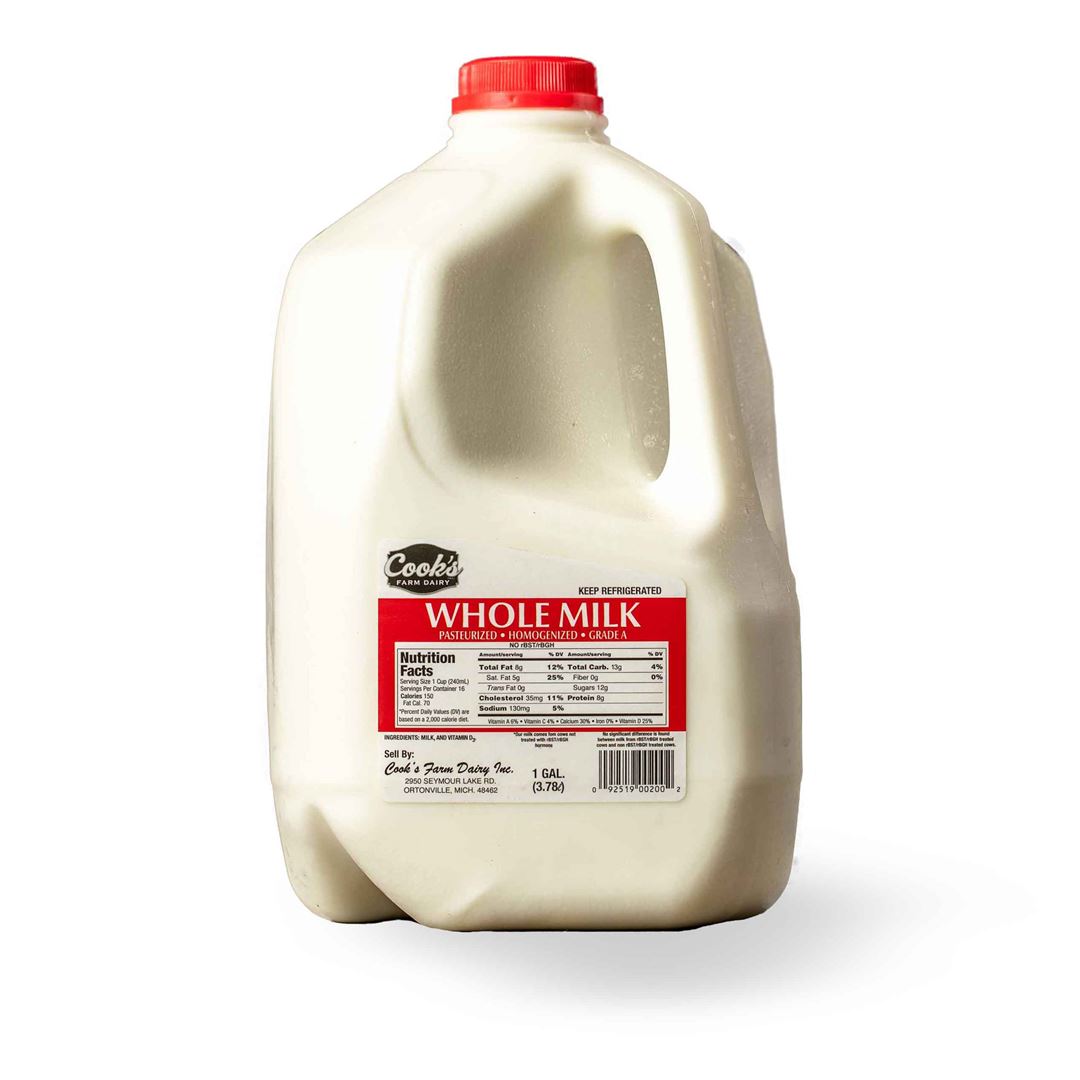
Milk
Summary
This milk is minimally processed and retains its natural nutrient profile, providing high-quality proteins, beneficial fats, and essential vitamins and minerals like calcium and vitamin D. The absence of additives and its status as a whole food contribute to its high rating, making it a nutritious choice for supporting bone health and overall well-being.
At a glance
Key ingredients 7
WaterNeutral
Water is a fundamental component of milk, providing a medium for other nutrients. It is essential for hydration and the transport of nutrients within the body. As a natural part of milk, it does not undergo any harmful processing.
Benefits
Essential for hydration and nutrient transport within the body.
ProteinsGood
Proteins in milk are high-quality animal-based proteins, providing all essential amino acids. They support muscle growth and repair and are easily digestible. Milk proteins like casein and whey are beneficial for maintaining muscle mass.
Benefits
Supports muscle growth and repair with a complete amino acid profile.
FatGood
Milk fat contains beneficial fatty acids and fat-soluble vitamins. It provides energy and supports the absorption of vitamins A, D, E, and K. The presence of conjugated linoleic acid (CLA) in milk fat may offer additional health benefits.
Risks
Excessive consumption of saturated fats may contribute to cardiovascular issues.
Benefits
Provides energy and supports the absorption of fat-soluble vitamins.
LactoseNeutral
Lactose is the natural sugar found in milk, providing a source of energy. It is a disaccharide composed of glucose and galactose. Some individuals may have lactose intolerance, which can cause digestive discomfort.
Risks
May cause digestive discomfort in individuals with lactose intolerance.
Benefits
Provides a source of energy through its glucose and galactose components.
CalciumVery Good
Calcium is a crucial mineral for bone health and development. It plays a vital role in muscle function and nerve signaling. Milk is an excellent source of calcium, contributing to strong bones and teeth.
Benefits
Supports bone health and development, and is essential for muscle function.
VitaminsGood
Milk contains essential vitamins such as A, D, and B12, which support various bodily functions. These vitamins are important for vision, immune function, and red blood cell formation. The presence of these vitamins enhances the nutritional profile of milk.
Benefits
Supports vision, immune function, and red blood cell formation.
MineralsGood
Minerals in milk, including potassium and phosphorus, are essential for maintaining electrolyte balance and bone health. They contribute to various metabolic processes and overall health. Milk provides a natural source of these important minerals.
Benefits
Supports electrolyte balance and bone health.
Processing
Unprocessed or Minimally Processed Foods
Get the full breakdown in the Scout app
Scan any product to see lab results, healthy alternatives, and your personalized analysis.
Download on theApp Store