


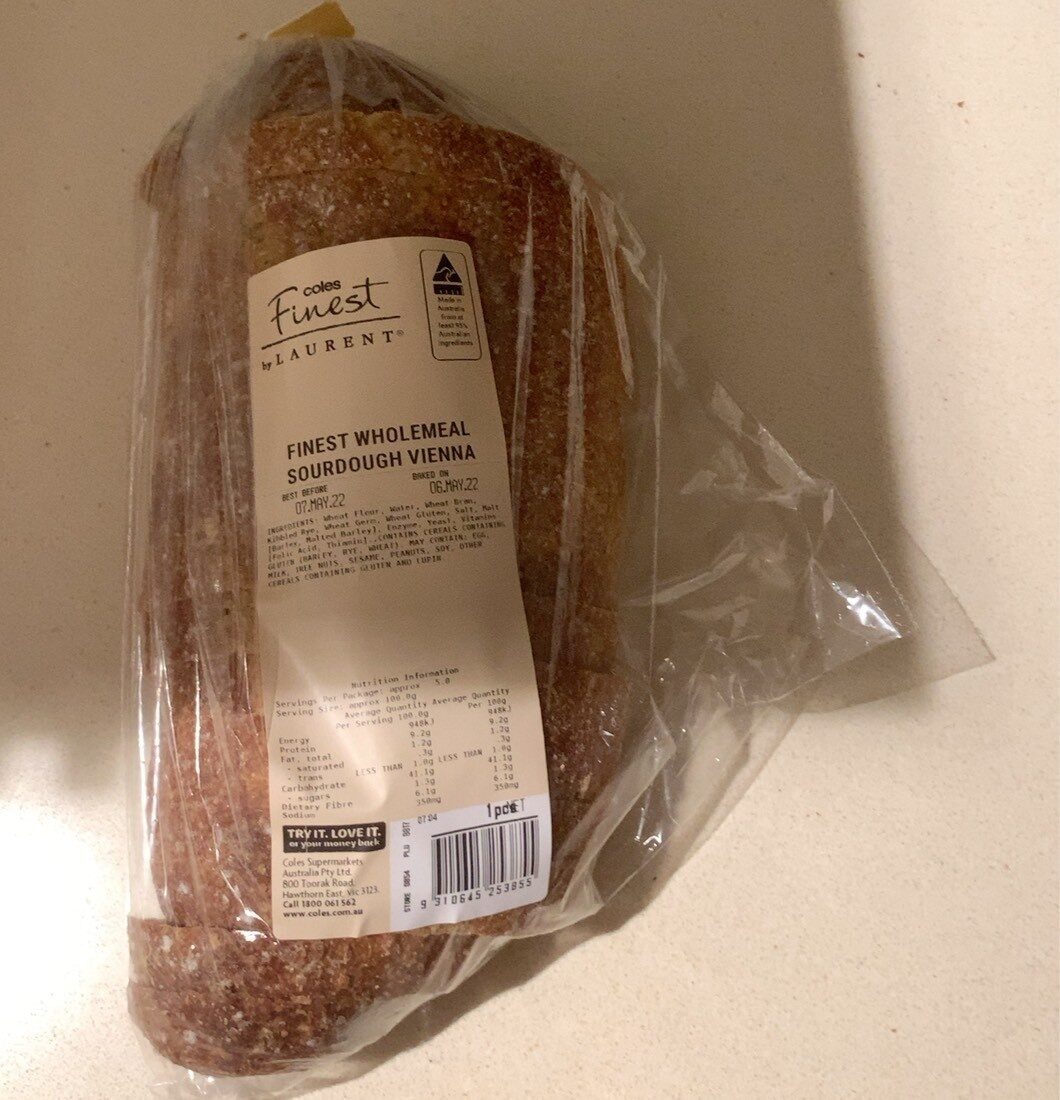

SLICED SOURDOUGH
Analysis updated June 2026 · How Scout scores
At a glance
Summary
This sliced sourdough bread is made with enriched wheat flour and a sourdough starter, which are common in processed breads. While it avoids harmful ingredients like high-fructose corn syrup and seed oils, it does contain a dough conditioner, which is a moderate concern. The processing level limits its score, but the absence of major red flags allows for a fair rating.
Key ingredients 5
Ascorbic acidGood
Vitamin C — beneficial even when serving as a preservative.
Benefits
Acts as an antioxidant and improves dough quality and bread texture.
WaterNeutral
Water is a fundamental ingredient in bread making, hydrating the flour and activating yeast. It plays a crucial role in the dough's consistency and texture. Water itself does not provide any nutritional value.
Benefits
Essential for dough formation and yeast activation in bread making.
Sourdough starterNeutral
Sourdough starter is a fermented mixture of flour and water that provides natural leavening. It contributes to the bread's flavor and texture through fermentation. While it can improve digestibility, it does not significantly alter the nutritional profile of the bread.
Benefits
Enhances flavor and may improve digestibility due to natural fermentation.
SaltNeutral
Salt is used in bread to enhance flavor and control yeast activity. It is a common ingredient in baking, providing balance to the taste. Excessive consumption of salt can lead to health issues, but in moderate amounts, it is generally safe.
Risks
Excessive salt intake can contribute to high blood pressure and cardiovascular issues.
Benefits
Enhances flavor and helps regulate yeast activity in bread.
Unbleached enriched wheat flourBad
Processed additive flagged under Scout's ingredient doctrine.
Risks
May contribute to blood sugar spikes due to its refined nature and lack of fiber.
Benefits
Provides essential vitamins and minerals due to enrichment, supporting overall nutritional intake.
Processing
Processed Foods
Get the full breakdown in the Scout appTake Scout shopping
Scan any product to see lab results, healthy alternatives, and your personalized analysis.
Download on theApp Store GET IT ONGoogle PlayAmazon pricing & content
Amazon price as of . Product prices and availability are accurate as of the date/time indicated and are subject to change. Any price and availability information displayed on Amazon.com at the time of purchase will apply to the purchase of this product.
CERTAIN CONTENT THAT APPEARS ON THIS SITE COMES FROM AMAZON. THIS CONTENT IS PROVIDED “AS IS” AND IS SUBJECT TO CHANGE OR REMOVAL AT ANY TIME.