




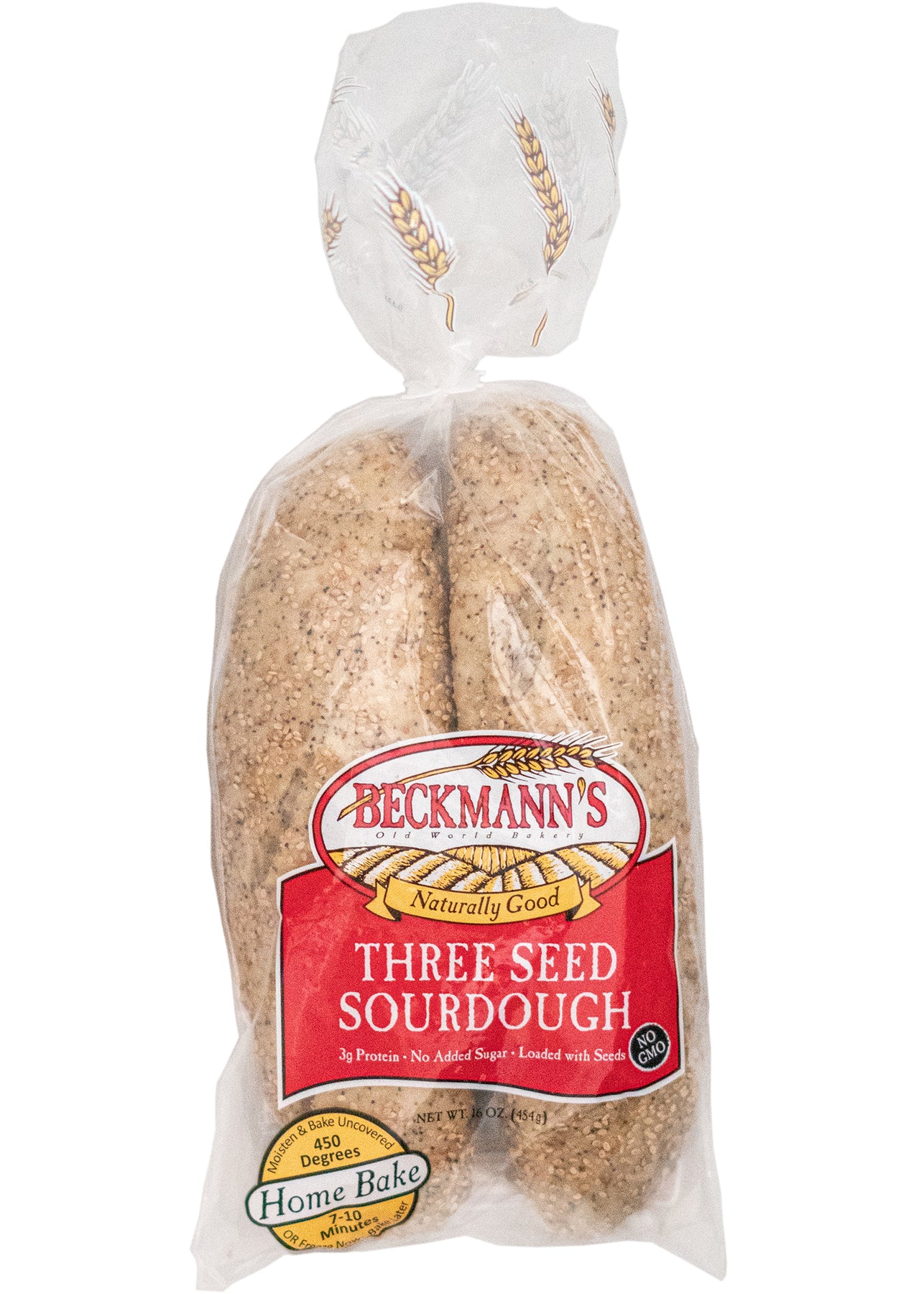
SESAME BUNS
Summary
The sesame buns contain a relatively clean ingredient list with beneficial components like yeast, milk, and sesame seeds, which contribute to flavor and nutritional value. However, the presence of refined sugar and the processed nature of the product limit its healthfulness. While the ingredients are generally wholesome, the processing level prevents it from achieving a higher score.
At a glance
Key ingredients 7
FlourNeutral
Flour is a staple ingredient in baking, providing structure and texture to baked goods. It is typically refined, which removes some nutrients and fiber. Whole grain alternatives offer more nutritional benefits.
Risks
Refined flour can contribute to blood sugar spikes and lacks fiber and nutrients found in whole grains.
Benefits
Provides carbohydrates for energy, though whole grain options are more nutritious.
WaterNeutral
Water is essential for hydration and acts as a solvent in baking, helping to form dough. It has no caloric value and is crucial for the chemical reactions in baking. It is a neutral ingredient with no direct health impacts.
Benefits
Essential for hydration and necessary for dough formation in baking.
YeastGood
Yeast is a microorganism used in baking to leaven dough, creating a light and airy texture. It also contributes to the development of flavor in baked goods. Yeast fermentation can enhance the nutritional profile by producing B vitamins.
Benefits
Contributes to dough leavening and flavor development, and can enhance nutritional content with B vitamins.
SugarBad
Sugar is used in baking to add sweetness and aid in browning. However, it is a refined carbohydrate that can contribute to health issues like obesity and diabetes when consumed in excess. Natural sweeteners or reduced sugar content are healthier alternatives.
Risks
Excessive consumption can lead to obesity, diabetes, and other metabolic disorders.
Benefits
Provides sweetness and aids in browning and fermentation in baking.
SaltNeutral
Salt is used in baking to enhance flavor and control yeast activity. It is essential in small amounts but can contribute to high blood pressure if consumed excessively. Moderation is key to its use in baking.
Risks
Excessive intake can lead to high blood pressure and cardiovascular issues.
Benefits
Enhances flavor and helps control yeast activity in dough.
MilkGood
Milk adds richness and moisture to baked goods, contributing to a tender crumb. It provides essential nutrients like calcium and vitamin D. Using whole milk can enhance the nutritional profile with healthy fats.
Risks
Lactose intolerance can cause digestive issues for some individuals.
Benefits
Rich in calcium and vitamin D, contributing to bone health and providing a creamy texture.
Sesame seedsGood
Sesame seeds add a nutty flavor and crunchy texture to baked goods. They are a good source of healthy fats, protein, and minerals like calcium and magnesium. Toasting enhances their flavor and nutrient availability.
Risks
Allergies to sesame seeds can cause severe reactions in sensitive individuals.
Benefits
Rich in healthy fats, protein, and minerals, supporting heart health and providing a nutritional boost.
Processing
Processed Foods
Get the full breakdown in the Scout app
Scan any product to see lab results, healthy alternatives, and your personalized analysis.
Download on theApp Store