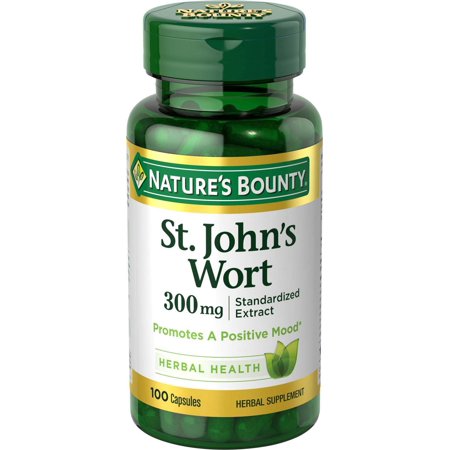
Nature s Bounty St. John s Wort Herbal Supplement 300 mg Per Serving 100 Count
At a glance
Summary
This supplement contains a minimal number of additives, which is typical for capsule formulations, but includes vegetable magnesium stearate, which is often criticized for potentially inhibiting nutrient absorption. The presence of gelatin and dicalcium phosphate is standard for capsule integrity, but the overall formulation could be improved by reducing reliance on such additives. Despite being ultra-processed, the product does not contain artificial dyes or sweeteners, which helps maintain a moderate score. Its plastic packaging can shed microplastics into the product and lowers its score.
Key ingredients 4
GelatinNeutral
Gelatin is commonly used as a capsule material in supplements. It is derived from animal collagen and is generally considered safe for consumption. There are no significant health concerns associated with its use in this context.
See more about Gelatin →Dicalcium PhosphateNeutral
Dicalcium phosphate is used as a dietary supplement and a tableting agent in some pharmaceutical preparations. It provides a source of calcium and phosphorus, which are essential nutrients. However, in the small amounts typically used in supplements, it does not significantly contribute to daily nutrient intake.
Risks
Excessive intake may lead to imbalances in calcium and phosphorus levels, but this is unlikely at typical supplement dosages.
Benefits
Provides a source of calcium and phosphorus, essential for bone health and metabolic functions.
SilicaNeutral
Silica is used as an anti-caking agent to prevent clumping in powdered supplements. It is generally recognized as safe when used in small amounts. There are no significant health concerns associated with its use in this context.
See more about Silica →Vegetable Magnesium StearateBad
Vegetable magnesium stearate is commonly used as a lubricant in supplement manufacturing. It is often criticized for potentially inhibiting nutrient absorption and being derived from hydrogenated oils. Despite these concerns, it is generally considered safe in small amounts.
Risks
May inhibit nutrient absorption and is often derived from hydrogenated oils, which can be a concern for some consumers.
Processing
Ultra-Processed Foods
Get the full breakdown in the Scout appTake Scout shopping
Scan any product to see lab results, healthy alternatives, and your personalized analysis.
Are you Nature's Bounty? Fix an error Get the badge Get tested