
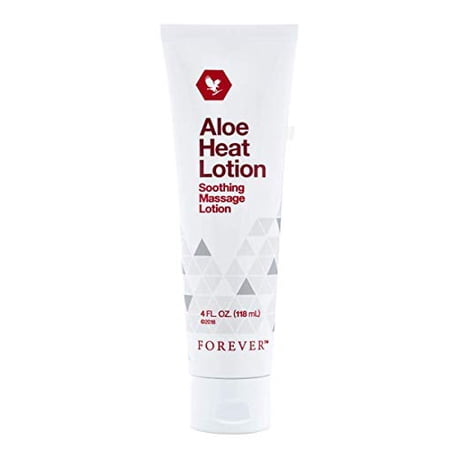


Forever Living Aloe Heat Lotion
Analysis updated June 2026 · How Scout scores
At a glance
Summary
This body lotion contains beneficial ingredients such as aloe vera, sesame seed oil, allantoin, and ascorbic acid, which are known for their soothing, moisturizing, and antioxidant properties. However, the presence of phenoxyethanol, a preservative that can cause skin irritation, slightly lowers the score. The product is moderately processed, which also impacts its overall rating.
Key ingredients 15
Aloe Barbadensis Leaf JuiceVery Good
Aloe Barbadensis Leaf Juice is a natural botanical extract known for its soothing and moisturizing properties. It is rich in vitamins, minerals, and antioxidants that help to hydrate and calm the skin. This ingredient is widely used for its ability to support skin healing and reduce inflammation.
Risks
There are minimal risks associated with Aloe Vera, though some individuals may experience allergic reactions.
Benefits
Aloe Vera is beneficial for its hydrating, soothing, and anti-inflammatory properties, making it ideal for sensitive or irritated skin.
Sesamum Indicum (Sesame) Seed OilVery Good
Sesame Seed Oil is a natural oil rich in antioxidants, vitamins, and essential fatty acids. It is known for its moisturizing and nourishing properties, making it beneficial for dry and damaged skin. The oil also has anti-inflammatory and antibacterial properties, which can help protect the skin.
Risks
Rarely, it may cause allergic reactions in individuals with sesame allergies.
Benefits
It deeply moisturizes and nourishes the skin, providing antioxidant protection and supporting skin health.
AllantoinGood
Allantoin is a compound known for its soothing and skin-conditioning properties. It helps to promote skin healing and improve moisture retention. Allantoin is often used in skincare products for its ability to calm irritated skin and support skin regeneration.
Risks
Generally considered safe with minimal risk of irritation.
Benefits
It soothes and conditions the skin, promoting healing and improving moisture retention.
Ascorbic AcidGood
Ascorbic Acid, also known as Vitamin C, is a powerful antioxidant that helps to protect the skin from environmental damage. It supports collagen production and brightens the skin, reducing the appearance of dark spots and uneven skin tone. Ascorbic Acid is highly valued in skincare for its anti-aging and brightening effects.
Risks
May cause irritation or sensitivity in some individuals, especially in high concentrations.
Benefits
It provides antioxidant protection, supports collagen production, and brightens the skin.
Methyl SalicylateNeutral
Methyl Salicylate is a topical analgesic used to relieve minor aches and pains of muscles and joints. It works by causing the skin to feel cool and then warm, which helps to distract from deeper aches. While effective for temporary relief, it should be used with caution.
Risks
Overuse or application on broken skin can lead to irritation or systemic absorption, which may be harmful.
Benefits
It provides temporary relief from muscle and joint pain through its counterirritant properties.
Glyceryl StearateNeutral
Glyceryl Stearate is an emulsifying agent that helps to blend water and oil components in formulations. It also acts as a lubricant on the skin's surface, giving it a soft and smooth appearance. This ingredient is commonly used in lotions and creams for its stabilizing properties.
Risks
Generally considered safe, but may cause mild irritation in sensitive individuals.
Benefits
It helps to stabilize formulations and provides a smooth, soft feel to the skin.
PropanediolNeutral
Propanediol is a glycol used as a solvent and skin-conditioning agent. It enhances the absorption of other ingredients and provides a smooth application. It is often used as a safer alternative to propylene glycol.
Risks
Propanediol is generally considered safe, but some individuals may experience mild irritation.
Benefits
It improves the texture and absorption of skincare products, enhancing their effectiveness.
Cetyl AlcoholNeutral
Cetyl Alcohol is a fatty alcohol used as an emollient, emulsifier, and thickener in cosmetic products. It helps to soften and smooth the skin while providing a creamy texture to formulations. Despite being an alcohol, it is non-drying and beneficial for skin hydration.
Risks
Rarely, it may cause skin irritation or allergic reactions in sensitive individuals.
Benefits
It acts as an emollient and thickener, improving the texture and moisturizing properties of skincare products.
ArginineNeutral
Arginine is an amino acid that plays a role in collagen production and skin repair. It is used in skincare for its hydrating and anti-aging properties. Arginine can help improve skin elasticity and reduce the appearance of fine lines.
Risks
Generally safe, but excessive use may lead to skin irritation.
Benefits
It supports collagen production and skin repair, contributing to improved skin elasticity and hydration.
MentholNeutral
Menthol is a compound derived from peppermint oil, known for its cooling and soothing effects on the skin. It provides a refreshing sensation and can help relieve minor skin irritation. Menthol is often used in topical analgesics for its counterirritant properties.
Risks
May cause irritation or allergic reactions in some individuals, especially in high concentrations.
Benefits
It provides a cooling sensation and can help soothe minor skin irritations.
Cetyl EthylhexanoateNeutral
Cetyl Ethylhexanoate is an ester used as an emollient and skin-conditioning agent. It provides a silky, non-greasy feel to skincare products and helps to improve their spreadability. This ingredient is commonly used to enhance the texture of lotions and creams.
Risks
Generally considered safe, but may cause mild irritation in sensitive individuals.
Benefits
It improves the texture and spreadability of skincare products, providing a silky, smooth feel.
CarbomerNeutral
Carbomer is a synthetic polymer used as a thickening agent in cosmetic formulations. It helps to stabilize emulsions and provides a gel-like consistency. Carbomer is widely used for its ability to create clear, stable gels and creams.
Risks
Generally safe, but may cause mild irritation if used in high concentrations.
Benefits
It stabilizes formulations and provides a desirable gel-like texture to skincare products.
EthylhexylglycerinNeutral
Ethylhexylglycerin is a multifunctional ingredient used as a preservative and skin-conditioning agent. It enhances the efficacy of preservatives and provides a soft, smooth feel to the skin. This ingredient is often used to improve the overall performance of cosmetic formulations.
Risks
Generally considered safe, but may cause mild irritation in sensitive individuals.
Benefits
It enhances preservative efficacy and provides a smooth feel to the skin.
Hexylene GlycolNeutral
Hexylene Glycol is a solvent and viscosity-reducing agent used in cosmetic formulations. It helps to improve the texture and spreadability of products. Hexylene Glycol is commonly used to enhance the performance and stability of skincare products.
Risks
May cause irritation or allergic reactions in sensitive individuals.
Benefits
It improves the texture and spreadability of skincare products, enhancing their performance.
PhenoxyethanolBad
Phenoxyethanol is a preservative used to prevent microbial growth in cosmetic products. It is effective at low concentrations and is often used as an alternative to parabens. However, it can cause skin irritation and allergic reactions in some individuals.
Risks
Potential for skin irritation and allergic reactions, especially in sensitive individuals.
Benefits
It acts as an effective preservative, extending the shelf life of cosmetic products.
Processing
Processed Foods
Get the full breakdown in the Scout appTake Scout shopping
Scan any product to see lab results, healthy alternatives, and your personalized analysis.
Download on theApp Store GET IT ONGoogle PlayAmazon pricing & content
Amazon price as of . Product prices and availability are accurate as of the date/time indicated and are subject to change. Any price and availability information displayed on Amazon.com at the time of purchase will apply to the purchase of this product.
CERTAIN CONTENT THAT APPEARS ON THIS SITE COMES FROM AMAZON. THIS CONTENT IS PROVIDED “AS IS” AND IS SUBJECT TO CHANGE OR REMOVAL AT ANY TIME.