

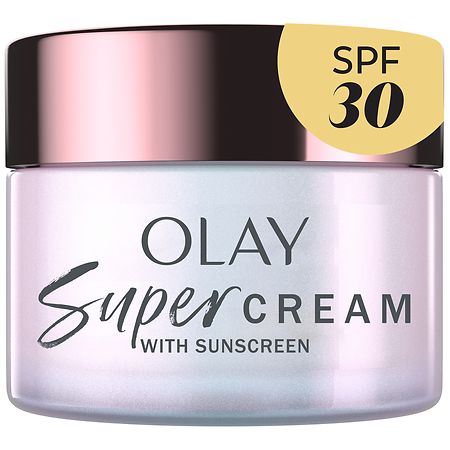
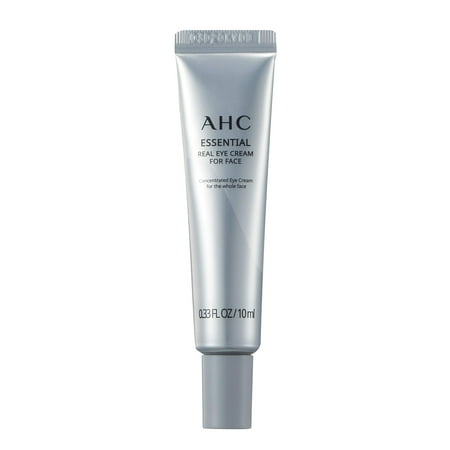


Olay Regenerist Retinol 24 Facial Moisturizer 2 pk.
Analysis updated June 2026 · How Scout scores
At a glance
Summary
This moisturizer contains beneficial skin actives like retinol and niacinamide, which are known for their anti-aging and skin-repairing properties. However, the presence of synthetic polymers such as dimethicone and acrylates indicates a moderate level of processing. While these ingredients are generally considered safe, they are not as natural as some alternatives, which slightly lowers the score.
Key ingredients 8
GlycerinGood
Glycerin is a well-known humectant that attracts moisture to the skin, promoting hydration.
See more about Glycerin →Dimethicone CrosspolymerGood
This ingredient enhances the product's texture, giving it a smooth application and helping to create a barrier on the skin.
See more about Dimethicone Crosspolymer →RetinolGood
Retinol is a powerful ingredient known for its ability to support skin renewal and improve the appearance of fine lines.
See more about Retinol →NiacinamideGood
Niacinamide is known for its skin-brightening properties and ability to strengthen the skin barrier.
See more about Niacinamide →WaterNeutral
Water is a common base in skincare products, helping to hydrate the skin and dissolve other ingredients.
See more about Water →Tapioca StarchNeutral
Tapioca starch helps to absorb excess oil and provides a silky texture to the moisturizer.
See more about Tapioca Starch →AcrylatesNeutral
Acrylates are used as film-forming agents and thickeners, helping to stabilize the product.
DimethiconeBad
Dimethicone forms a protective barrier on the skin, providing a smooth feel and helping to lock in moisture.
See more about Dimethicone →Processing
Processed Foods
Get the full breakdown in the Scout appTake Scout shopping
Scan any product to see lab results, healthy alternatives, and your personalized analysis.
Download on theApp Store GET IT ONGoogle PlayAmazon pricing & content
Amazon price as of . Product prices and availability are accurate as of the date/time indicated and are subject to change. Any price and availability information displayed on Amazon.com at the time of purchase will apply to the purchase of this product.
CERTAIN CONTENT THAT APPEARS ON THIS SITE COMES FROM AMAZON. THIS CONTENT IS PROVIDED “AS IS” AND IS SUBJECT TO CHANGE OR REMOVAL AT ANY TIME.