

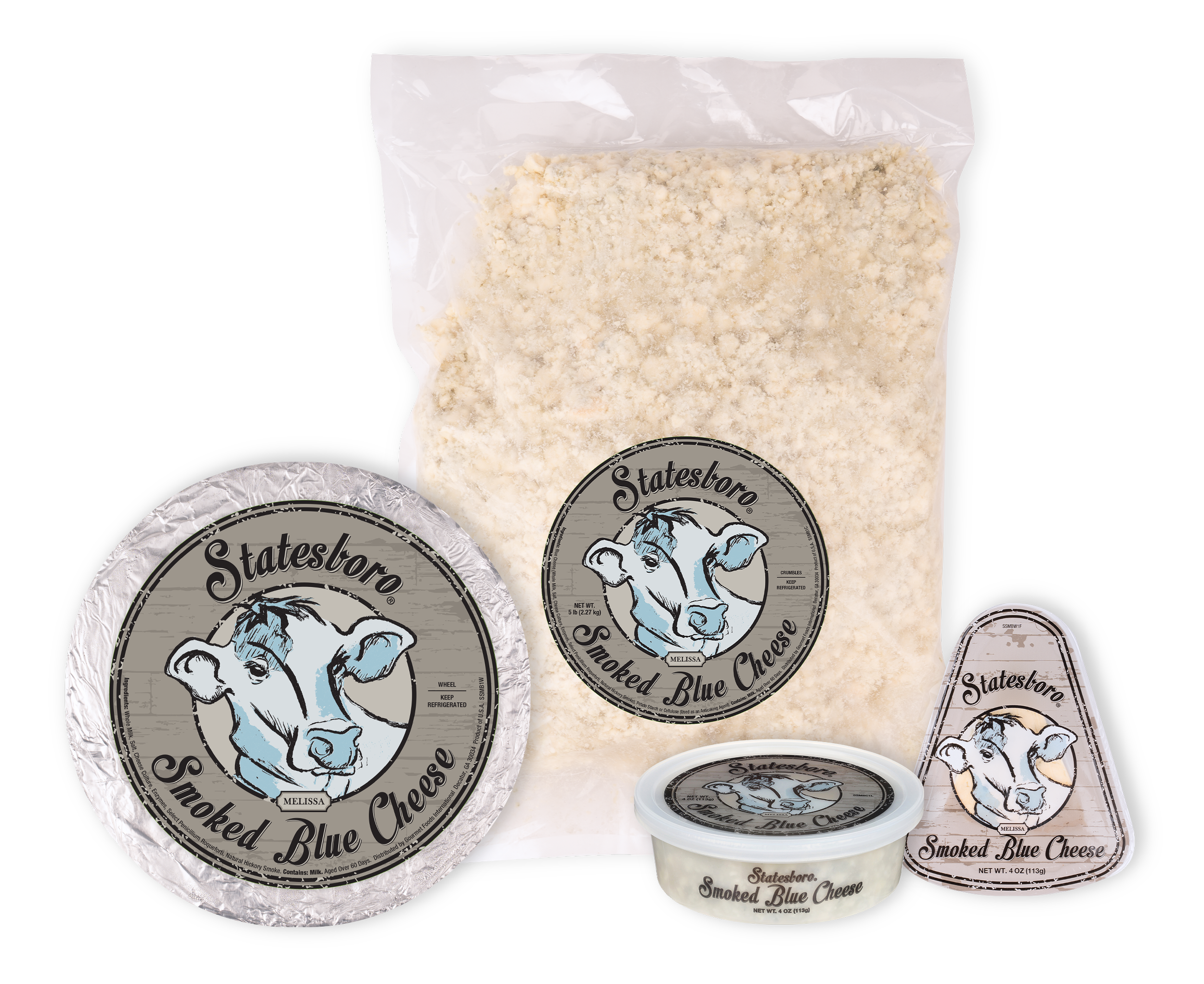


Stella Blue Cheese
Analysis updated August 2026 · How Scout scores
At a glance
Summary
This blue cheese product is a processed food with a relatively clean ingredient list, primarily consisting of pasteurized milk, cheese cultures, and salt. However, it includes natamycin, a preservative that some consumers prefer to avoid due to potential health concerns. The presence of powdered cellulose as an anti-caking agent also contributes to its processing level, which limits its score despite the beneficial probiotics and nutrients found in blue cheese.
Key ingredients 3
Blue cheeseGood
Blue cheese is a fermented dairy product rich in protein and calcium. It contains beneficial probiotics that support gut health. The fermentation process enhances its flavor and nutritional profile.
Risks
High sodium content may pose a risk for individuals with hypertension if consumed in excess.
Benefits
Provides a good source of protein and calcium, and contains probiotics that can aid in digestion and improve gut health.
Powdered celluloseNeutral
Powdered cellulose is used as an anti-caking agent to maintain product texture. It is derived from plant fibers and is generally considered safe. It does not contribute significant nutritional value.
Benefits
Helps maintain the texture of the product by preventing clumping.
NatamycinBad
Natamycin is a preservative used to prevent mold growth in cheese. It is a naturally occurring antifungal agent but its use in food is controversial. Some consumers prefer to avoid preservatives due to potential health concerns.
Risks
May cause allergic reactions in sensitive individuals and its long-term effects are not well-studied.
Benefits
Effectively prevents mold growth, extending the shelf life of the product.
Processing
Processed Foods
Get the full breakdown in the Scout appTake Scout shopping
Scan any product to see lab results, healthy alternatives, and your personalized analysis.
Download on theApp Store GET IT ONGoogle PlayAmazon pricing & content
Amazon price as of . Product prices and availability are accurate as of the date/time indicated and are subject to change. Any price and availability information displayed on Amazon.com at the time of purchase will apply to the purchase of this product.
CERTAIN CONTENT THAT APPEARS ON THIS SITE COMES FROM AMAZON. THIS CONTENT IS PROVIDED “AS IS” AND IS SUBJECT TO CHANGE OR REMOVAL AT ANY TIME.