
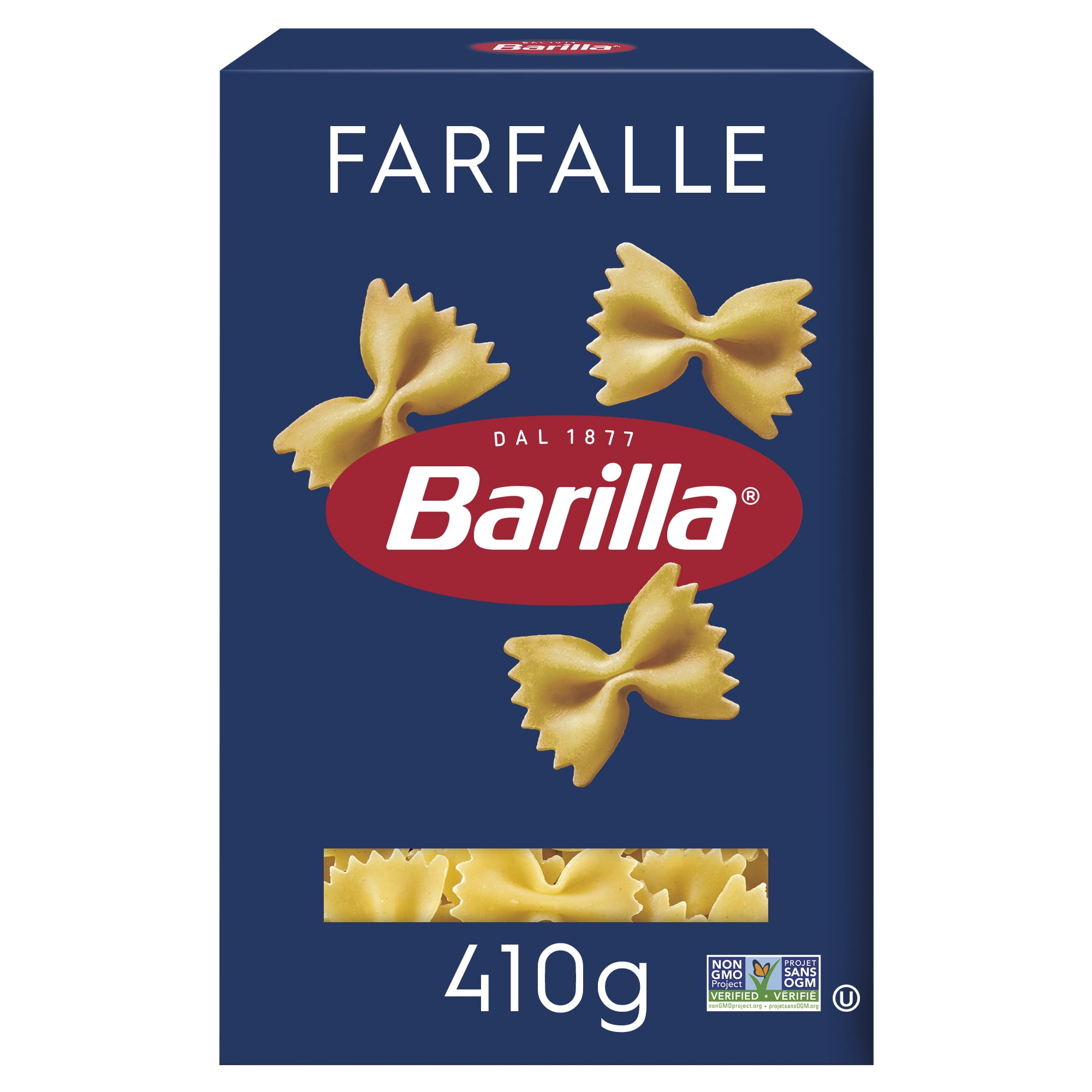
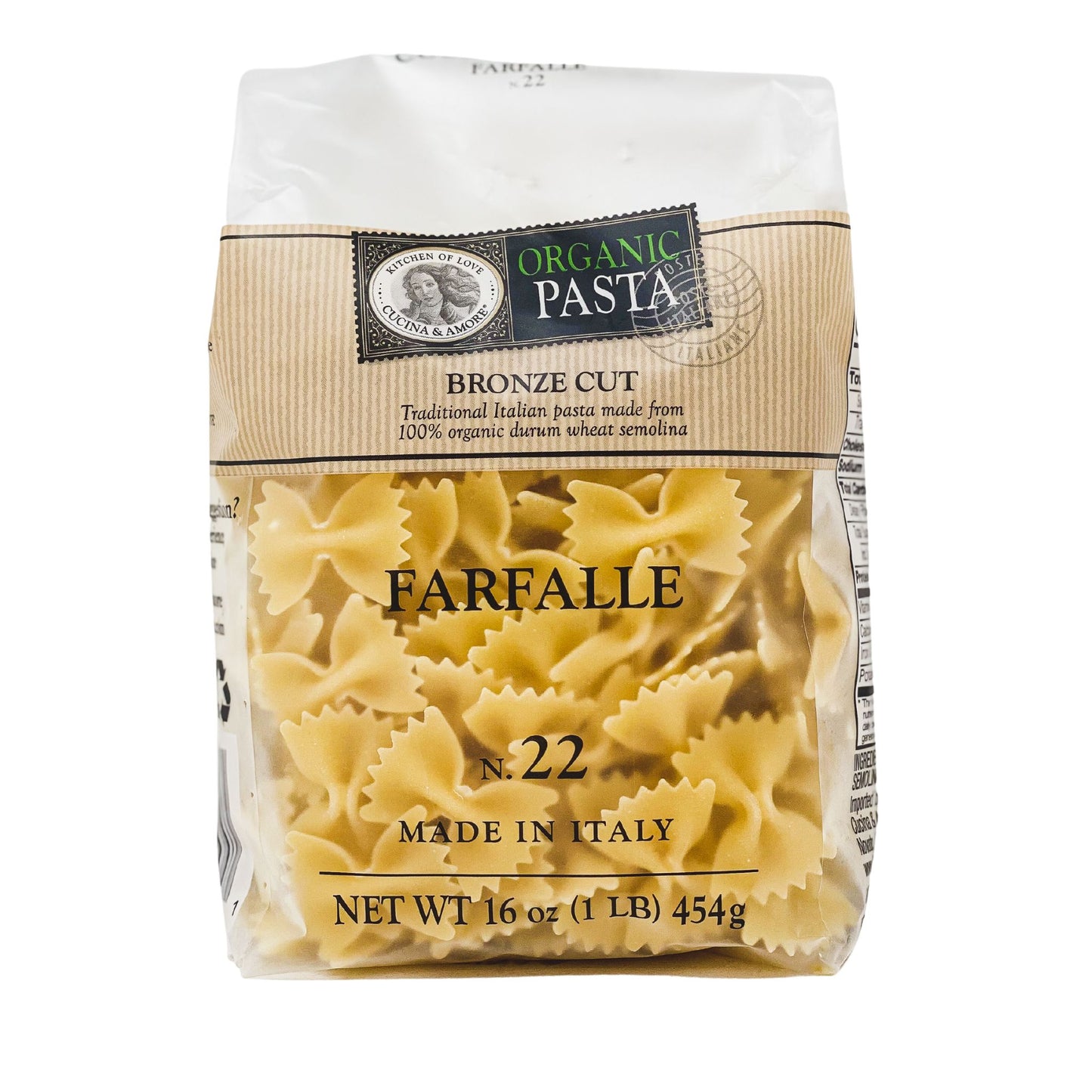


At a glance
Summary
This pasta is made from high-quality ingredients like semolina and durum wheat flour, which are minimally processed and provide a good source of protein and fiber. The addition of essential vitamins such as niacin, thiamine, riboflavin, and folic acid enhances its nutritional profile. The product's clean label and minimal processing contribute to its high rating.
Key ingredients 7
SemolinaGood
Semolina is a high-quality wheat product rich in protein and fiber. It is minimally processed, retaining most of its natural nutrients. It provides a good source of energy and supports digestive health.
Risks
Contains gluten, which may cause issues for individuals with celiac disease or gluten sensitivity.
Benefits
Rich in protein and fiber, supporting muscle health and digestion. Provides sustained energy due to its complex carbohydrate content.
Durum wheat flourGood
Durum wheat flour is a high-protein flour that is minimally processed. It is used to make pasta due to its strong gluten content, which provides a firm texture. It is a good source of energy and nutrients.
Risks
Contains gluten, which may cause issues for individuals with celiac disease or gluten sensitivity.
Benefits
High in protein and provides a firm texture to pasta. It is a good source of energy and essential nutrients.
NiacinGood
Niacin, also known as vitamin B3, is essential for energy metabolism and maintaining healthy skin. It is often added to foods to enhance nutritional value. It supports cardiovascular health and reduces cholesterol levels.
Benefits
Supports energy metabolism and cardiovascular health. Helps maintain healthy skin and reduce cholesterol levels.
RiboflavinGood
Essential B vitamin — beneficial micronutrient.
Benefits
Supports energy production and cellular function. Promotes healthy skin and red blood cell production.
Ferrous sulfateNeutral
Ferrous sulfate is a form of iron used to fortify foods and prevent iron deficiency anemia. It is a common additive in enriched products. It helps in the formation of red blood cells and oxygen transport.
Risks
Excessive intake can lead to gastrointestinal issues and iron overload.
Benefits
Prevents iron deficiency anemia and supports the formation of red blood cells.
Thiamine mononitrateNeutral
Thiamine mononitrate is a synthetic form of vitamin B1 used to fortify foods. It is essential for energy metabolism and nerve function. It is commonly added to enriched products to prevent deficiencies.
Benefits
Supports energy metabolism and nerve function. Prevents vitamin B1 deficiency.
Folic acidNeutral
Folic acid is a synthetic form of vitamin B9 used to fortify foods and prevent neural tube defects. It is crucial for DNA synthesis and cell division. It is commonly added to enriched products to prevent deficiencies.
Risks
Excessive intake can mask vitamin B12 deficiency symptoms.
Benefits
Prevents neural tube defects and supports DNA synthesis and cell division.
Processing
Unprocessed or Minimally Processed Foods
Get the full breakdown in the Scout appTake Scout shopping
Scan any product to see lab results, healthy alternatives, and your personalized analysis.
Download on theApp Store GET IT ONGoogle Play