


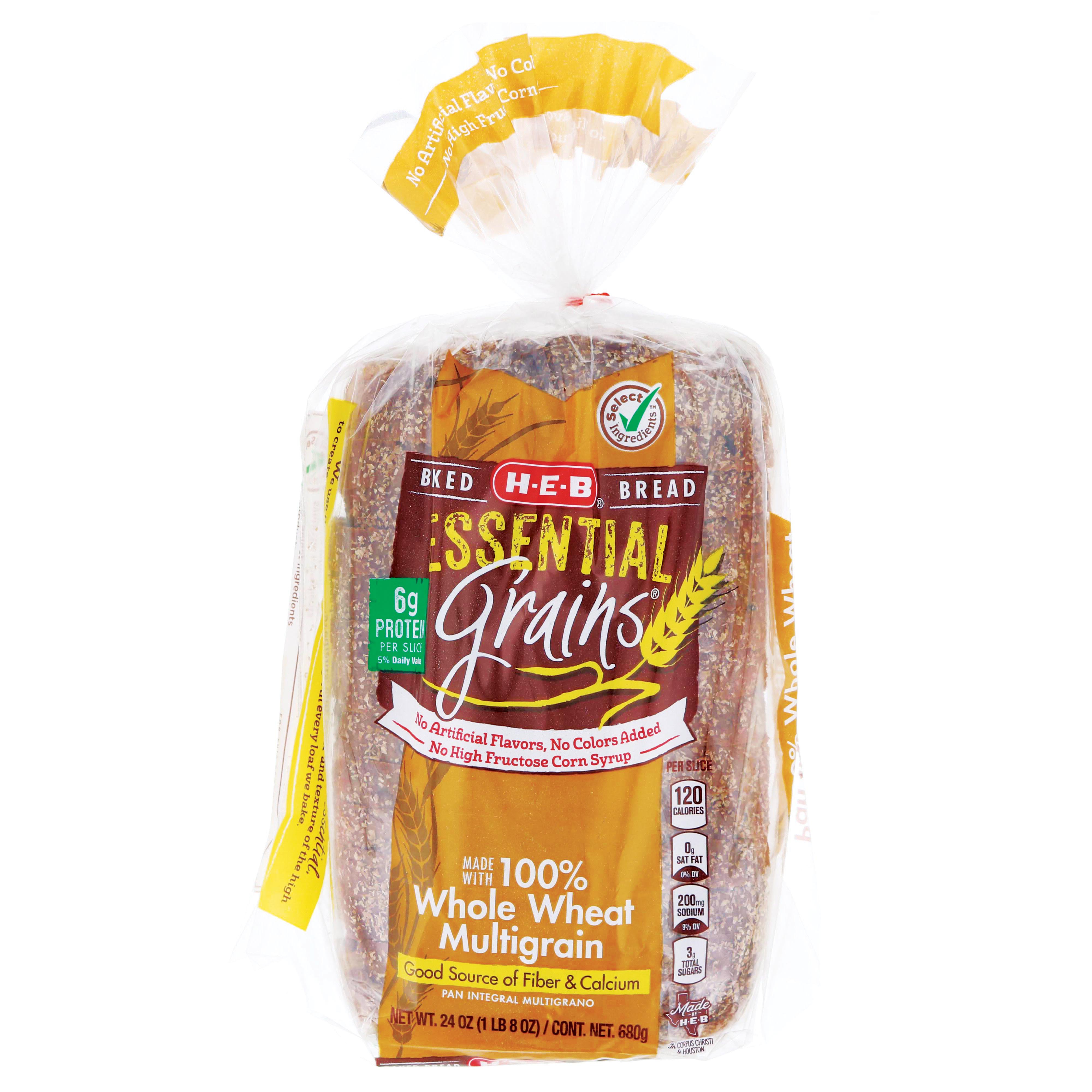


Whole Wheat English Muffins
WegmansAnalysis updated June 2026 · How Scout scores
Near you
Wegmans is carried at Wegmans stores. Find one within 25 miles.
At a glance
Summary
This product is made with whole wheat flour, which is a beneficial ingredient due to its high fiber content and nutritional value. However, it contains added sugar, which can contribute to increased calorie intake without essential nutrients. The product is moderately processed, which limits its score despite the presence of some beneficial ingredients.
Key ingredients 11
Whole Wheat FlourVery Good
Whole wheat flour is a minimally processed ingredient rich in fiber and essential nutrients. It retains the bran and germ, providing more vitamins and minerals compared to refined flour. This ingredient supports digestive health and provides sustained energy.
Benefits
Rich in dietary fiber, which aids in digestion and helps maintain healthy blood sugar levels. Provides essential nutrients like B vitamins and iron.
WaterNeutral
Water is a neutral ingredient used as a solvent and to provide moisture in baked goods. It is essential for the hydration of flour and activation of yeast. Water does not contribute any calories or nutrients.
See more about Water →Wheat GlutenNeutral
Wheat gluten is added to improve the texture and elasticity of baked goods. It is a protein derived from wheat and is commonly used in bread making. While it enhances the structure of bread, it may cause issues for those with gluten sensitivities.
Risks
May cause adverse reactions in individuals with gluten intolerance or celiac disease.
Benefits
Enhances the texture and elasticity of baked goods, contributing to a desirable bread structure.
YeastNeutral
Baker's/nutritional yeast in standard use — benign.
Benefits
Improves the texture and flavor of bread while potentially enhancing nutrient availability.
Cultured Wheat FlourNeutral
Standard formulation ingredient — neither beneficial nor harmful at typical use.
Benefits
Acts as a natural preservative, reducing the need for artificial additives.
Yellow CornmealNeutral
Yellow cornmeal is a ground form of corn used to add texture and flavor to baked goods. It is a whole grain product that provides some fiber and nutrients. However, it is not a significant source of essential nutrients in small quantities.
Benefits
Adds texture and flavor to baked goods, with some fiber content.
Yellow Corn FlourNeutral
Yellow corn flour is a finely ground form of corn used to enhance the texture of baked goods. It is similar to cornmeal but finer, providing a smoother texture. It is not a significant source of nutrients in small amounts.
Benefits
Contributes to the texture of baked goods.
MolassesNeutral
Molasses is a byproduct of sugar refining that adds flavor and color to baked goods. It contains some minerals like iron and calcium, but in small amounts. It is used primarily for its flavor-enhancing properties.
Benefits
Adds flavor and color, with trace amounts of minerals.
SaltNeutral
Salt is used to enhance flavor and control yeast activity in baked goods. It is an essential mineral but should be consumed in moderation to avoid health issues like hypertension. In this product, it is used in typical amounts for bread.
Risks
Excessive intake can lead to hypertension and cardiovascular issues.
Benefits
Enhances flavor and helps control yeast activity.
GuarNeutral
Guar is a natural thickening agent derived from guar beans. It is used to improve texture and moisture retention in baked goods. It is generally recognized as safe when used in food products.
Benefits
Improves texture and moisture retention in baked goods.
SugarBad
Sugar is a refined sweetener that can contribute to increased calorie intake without providing essential nutrients. Excessive consumption of sugar is linked to various health issues, including obesity and dental problems. It is used in small amounts in this product to enhance flavor.
Risks
Excessive consumption can lead to obesity, dental issues, and other health problems.
Benefits
Provides sweetness and enhances flavor in baked goods.
Processing
Processed Foods
Get the full breakdown in the Scout appTake Scout shopping
Scan any product to see lab results, healthy alternatives, and your personalized analysis.
Download on theApp Store GET IT ONGoogle Play