
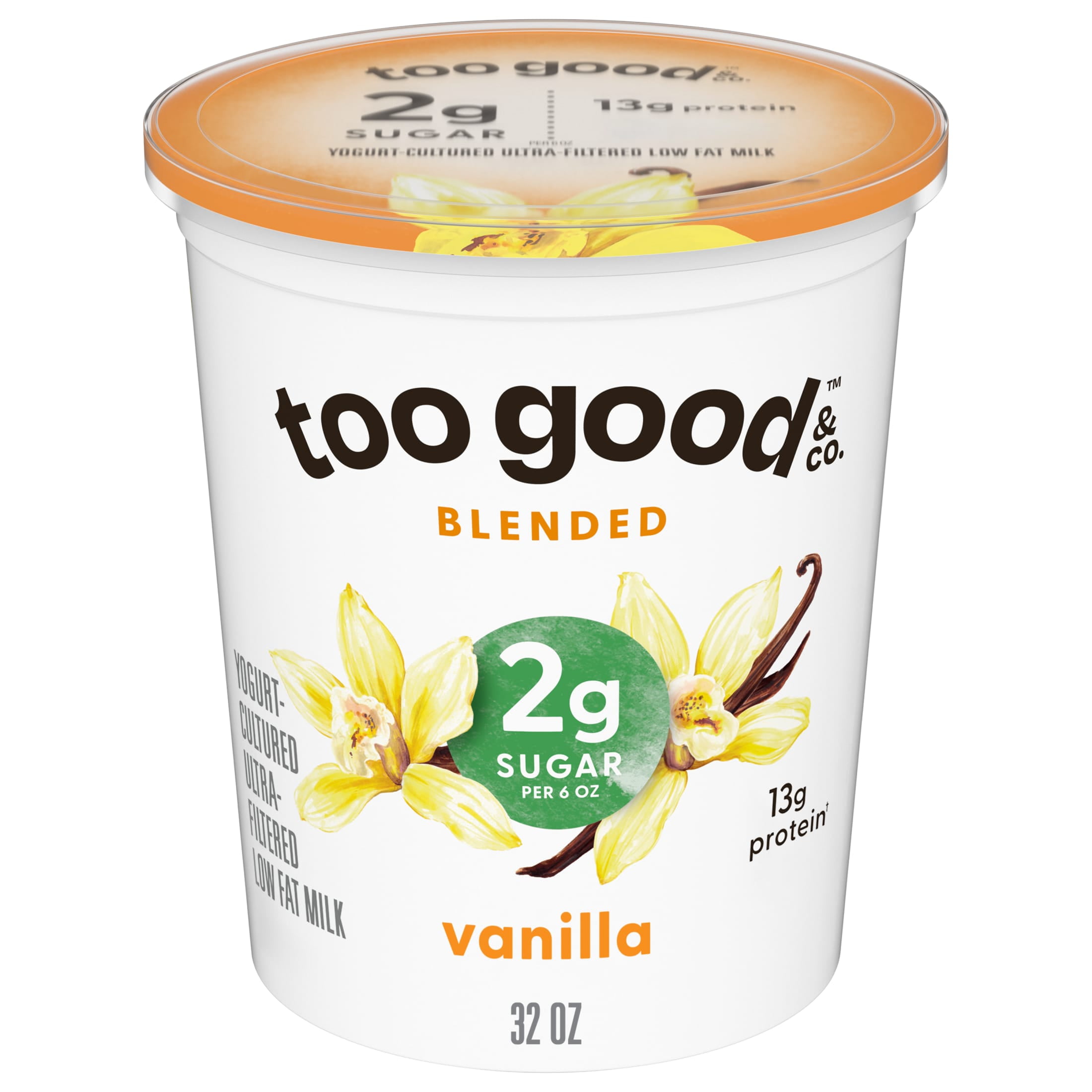

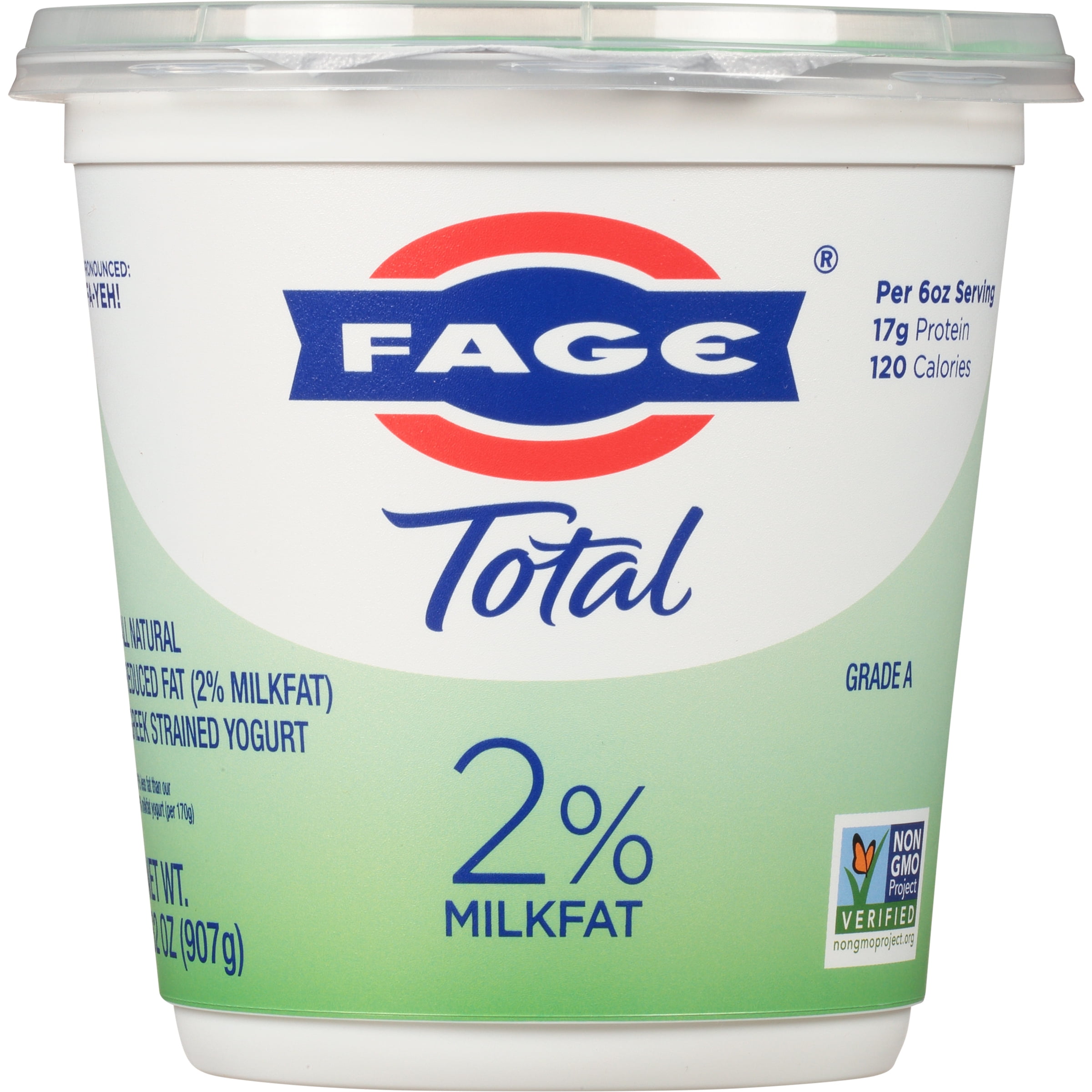


LOWFAT YOGURT
Near you
Great Value is carried at Walmart stores. Find one within 25 miles.
Summary
This low-fat yogurt contains beneficial ingredients like cultured milk and active yogurt cultures, which support gut health. However, it is heavily processed with added sugars, fructose, and several additives such as carrageenan and potassium sorbate, which are linked to potential health concerns. The high level of processing and presence of multiple additives significantly impact its overall healthiness.
At a glance
Key ingredients 16
Cultured grade a low fat milkGood
Cultured grade A low fat milk is a primary source of protein and calcium, essential for bone health. The fermentation process introduces beneficial probiotics that support gut health. It is a lower-fat option compared to whole milk, making it suitable for those monitoring fat intake.
Benefits
Provides essential nutrients like calcium and protein, and contains probiotics that aid in digestion and improve gut health.
SugarBad
Sugar is added to enhance sweetness but contributes to increased calorie intake without nutritional benefits. Excessive consumption can lead to health issues such as obesity and dental cavities. It is a refined carbohydrate that can spike blood sugar levels.
Risks
High intake of sugar is linked to obesity, type 2 diabetes, and heart disease.
WaterNeutral
Water is used as a solvent and to adjust the consistency of the yogurt. It is a neutral ingredient with no direct nutritional impact. It helps in achieving the desired texture and fluidity of the product.
See more about Water →FructoseBad
Fructose is a simple sugar that is sweeter than glucose and often used to enhance flavor. It is metabolized differently than glucose, primarily in the liver, which can lead to fat accumulation. High consumption is associated with metabolic disorders.
Risks
Excessive fructose intake can contribute to insulin resistance and fatty liver disease.
PeachesGood
Peaches provide natural sweetness and are a source of vitamins and antioxidants. They contribute to the flavor profile and add nutritional value with fiber and vitamin C. The inclusion of real fruit is a positive aspect compared to artificial flavorings.
Benefits
Rich in vitamins and antioxidants, peaches support immune function and provide dietary fiber.
Modified food starchBad
Modified food starch is used as a thickening agent but is highly processed. It can be derived from various sources, including corn, and may contain residual chemicals from processing. It adds no nutritional value and is used to improve texture.
Risks
May cause digestive issues in sensitive individuals and contributes to the processed nature of the product.
Kosher gelatinNeutral
Kosher gelatin is used to stabilize and thicken the yogurt. It is derived from animal collagen and is considered acceptable for kosher diets. It helps maintain the desired texture of the product.
Benefits
Provides a source of collagen, which may support joint health.
Natural flavorBad
Natural flavor is a catch-all term for flavoring agents derived from natural sources but processed in labs. It lacks transparency, making it difficult to assess its true nature and potential allergens. It is often used to enhance taste without adding nutritional value.
Risks
Potential allergens and lack of transparency in ingredient sourcing.
CarrageenanBad
Carrageenan is a thickening agent derived from red seaweed but is highly processed. It has been linked to digestive issues and inflammation in some studies. Its use is controversial due to potential health concerns.
Risks
May cause gastrointestinal inflammation and discomfort in sensitive individuals.
Annatto extractNeutral
Annatto extract is used for coloring and is derived from the seeds of the achiote tree. It is a natural colorant, which is preferable to synthetic dyes. It provides a yellow-orange hue to the product.
Benefits
Provides natural coloring without synthetic additives.
Malic acidNeutral
Malic acid is used to enhance tartness and improve flavor balance. It is naturally found in fruits like apples and contributes to the sour taste. It is generally recognized as safe when used in food products.
Benefits
Enhances flavor profile by adding tartness.
Potassium sorbateBad
Potassium sorbate is a preservative used to extend shelf life by inhibiting mold and yeast growth. It is synthetically produced and can cause allergic reactions in sensitive individuals. Its use is common in processed foods to maintain freshness.
Risks
May cause allergic reactions and skin irritation in sensitive individuals.
Sodium citrateNeutral
Sodium citrate is used as an acidity regulator and emulsifier. It helps maintain the stability and texture of the yogurt. It is generally recognized as safe and is commonly used in food processing.
Benefits
Helps maintain product stability and texture.
Vitamin a palmitateNeutral
Vitamin A palmitate is a synthetic form of vitamin A added to fortify the yogurt. It supports vision and immune function but is not naturally occurring in yogurt. It is added to enhance nutritional content.
Risks
Excessive intake can lead to hypervitaminosis A, but this is unlikely from food sources alone.
Benefits
Supports vision and immune health as a source of vitamin A.
Vitamin d3Good
Vitamin D3 is added to fortify the yogurt, supporting bone health and calcium absorption. It is essential for maintaining healthy bones and immune function. Fortification helps address common dietary deficiencies.
Benefits
Supports bone health and immune function by enhancing calcium absorption.
Active yogurt culturesVery Good
Active yogurt cultures, including L. acidophilus, are beneficial probiotics that support gut health. They aid in digestion and can improve the balance of gut microbiota. The presence of live cultures is a hallmark of quality yogurt products.
Benefits
Promotes digestive health and supports a balanced gut microbiome.
Processing
Ultra-Processed Foods
Get the full breakdown in the Scout app
Scan any product to see lab results, healthy alternatives, and your personalized analysis.
Download on theApp Store