
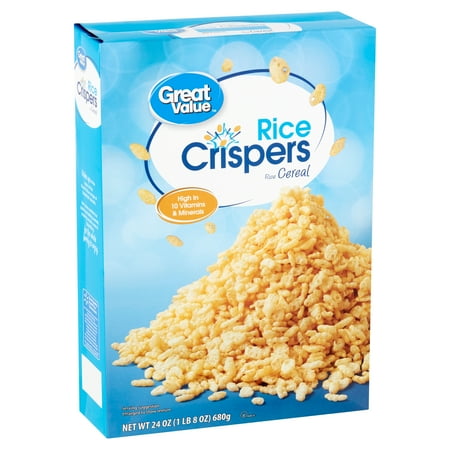


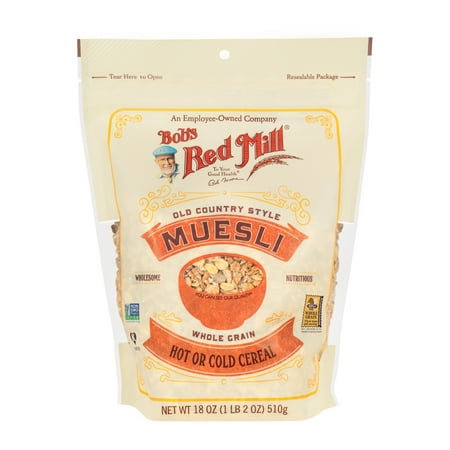
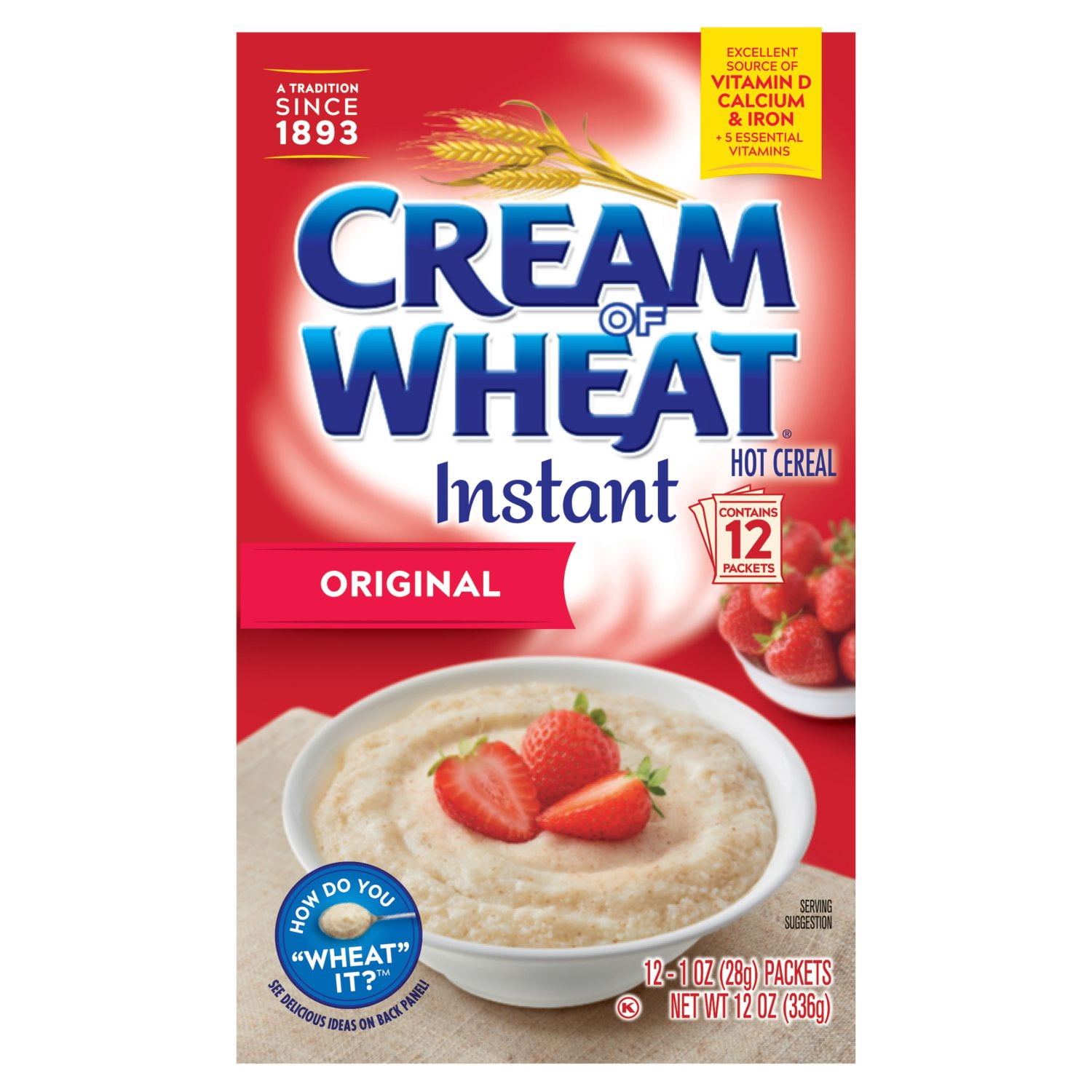
Great Value Cereal
Near you
Great Value is carried at Walmart stores. Find one within 25 miles.
Summary
This cereal is moderately processed and contains added sugar, which can contribute to health issues if consumed in excess. However, it is fortified with essential vitamins and minerals, such as iron and vitamin C, which are beneficial for health. The ingredient list is relatively clean with minimal additives, but the presence of sugar and the processing level prevent it from achieving a higher score.
At a glance
Key ingredients 16
RiceGood
Rice is a staple carbohydrate source that provides energy. It is minimally processed and typically free from additives. As a whole grain, it can offer fiber and essential nutrients if not overly refined.
Risks
Refined rice may lack fiber and essential nutrients compared to whole grain varieties.
Benefits
Provides a quick source of energy and can be part of a balanced diet when consumed with other nutrient-rich foods.
SugarBad
Sugar is a refined carbohydrate that can contribute to increased calorie intake without providing essential nutrients. Excessive consumption is linked to health issues like obesity and diabetes. It is often added to enhance flavor but can lead to overconsumption.
Risks
High intake of sugar is associated with increased risk of obesity, type 2 diabetes, and dental cavities.
Malt extractNeutral
Malt extract is used as a flavor enhancer and sweetener in processed foods. It is derived from barley and can add a distinct taste. While it provides some vitamins and minerals, its nutritional contribution is minimal in small quantities.
Risks
May contribute to sugar content and caloric intake.
Benefits
Contains small amounts of vitamins and minerals, but not significant in small quantities.
SaltNeutral
Salt is used to enhance flavor and preserve food. It is essential for bodily functions but should be consumed in moderation. Excessive intake can lead to health issues such as hypertension.
Risks
High sodium intake is linked to increased blood pressure and cardiovascular disease.
Benefits
Essential for maintaining fluid balance and nerve function.
Vitamin C (Sodium ascorbate)Good
Vitamin C is an essential nutrient that supports immune function and acts as an antioxidant. Sodium ascorbate is a form of vitamin C that is more stable and less acidic. It helps in the absorption of iron from plant-based foods.
Benefits
Supports immune health and enhances iron absorption.
Iron (Ferric orthophosphate)Good
Iron is a crucial mineral for oxygen transport in the blood. Ferric orthophosphate is a form of iron used to fortify foods. It helps prevent iron deficiency anemia, especially in populations with low dietary iron intake.
Risks
Excessive iron intake can lead to toxicity and gastrointestinal issues.
Benefits
Prevents iron deficiency anemia and supports overall health.
Vitamin A (Palmitate)Good
Vitamin A is essential for vision, immune function, and skin health. Palmitate is a stable form used in food fortification. It is crucial for maintaining healthy vision and immune response.
Risks
Excessive intake can lead to toxicity, particularly in supplement form.
Benefits
Supports vision and immune health.
NiacinamideGood
Niacinamide is a form of vitamin B3 that supports energy metabolism and skin health. It is commonly used in food fortification to prevent deficiencies. It plays a role in converting food into energy and maintaining healthy skin.
Benefits
Supports energy metabolism and skin health.
Preservative (Tocopherols)Neutral
Tocopherols are a form of vitamin E used as antioxidants to preserve food quality. They prevent oxidation and extend shelf life. While beneficial as antioxidants, their nutritional impact is minimal in small quantities.
Benefits
Acts as an antioxidant to preserve food quality.
Zinc (Zinc oxide)Good
Zinc is an essential mineral important for immune function and wound healing. Zinc oxide is a common form used in fortification. It supports immune health and is crucial for enzyme function.
Risks
Excessive intake can interfere with copper absorption and cause gastrointestinal issues.
Benefits
Supports immune function and enzyme activity.
Vitamin B1 (Thiamine mononitrate)Good
Thiamine is essential for energy metabolism and nerve function. Thiamine mononitrate is a stable form used in fortification. It helps convert carbohydrates into energy and supports nervous system health.
Benefits
Supports energy metabolism and nerve function.
Vitamin B6 (Pyridoxine hydrochloride)Good
Vitamin B6 is important for protein metabolism and cognitive development. Pyridoxine hydrochloride is a stable form used in supplements and fortification. It aids in neurotransmitter synthesis and red blood cell production.
Benefits
Supports protein metabolism and cognitive health.
Vitamin D (Cholecalciferol)Good
Vitamin D is crucial for bone health and immune function. Cholecalciferol is a form of vitamin D3 that is effective in raising blood levels. It aids in calcium absorption and supports bone density.
Risks
Excessive intake can lead to toxicity and hypercalcemia.
Benefits
Supports bone health and immune function.
Vitamin B2 (Riboflavin)Good
Riboflavin is essential for energy production and cellular function. It is commonly added to foods to prevent deficiencies. It plays a role in converting food into energy and maintaining healthy skin and eyes.
Benefits
Supports energy production and cellular health.
Folic acidGood
Folic acid is vital for DNA synthesis and cell division. It is especially important during pregnancy to prevent neural tube defects. It supports overall cellular health and is crucial for fetal development.
Risks
Excessive intake can mask vitamin B12 deficiency symptoms.
Benefits
Supports DNA synthesis and prevents neural tube defects.
Vitamin B12 (Cyanocobalamin)Good
Vitamin B12 is essential for nerve function and red blood cell formation. Cyanocobalamin is a synthetic form used in supplements and fortification. It is crucial for maintaining healthy nerve cells and preventing anemia.
Benefits
Supports nerve health and red blood cell production.
Processing
Processed Foods
Get the full breakdown in the Scout app
Scan any product to see lab results, healthy alternatives, and your personalized analysis.
Download on theApp Store