
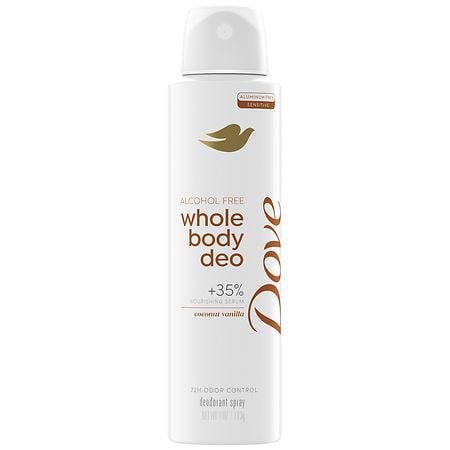
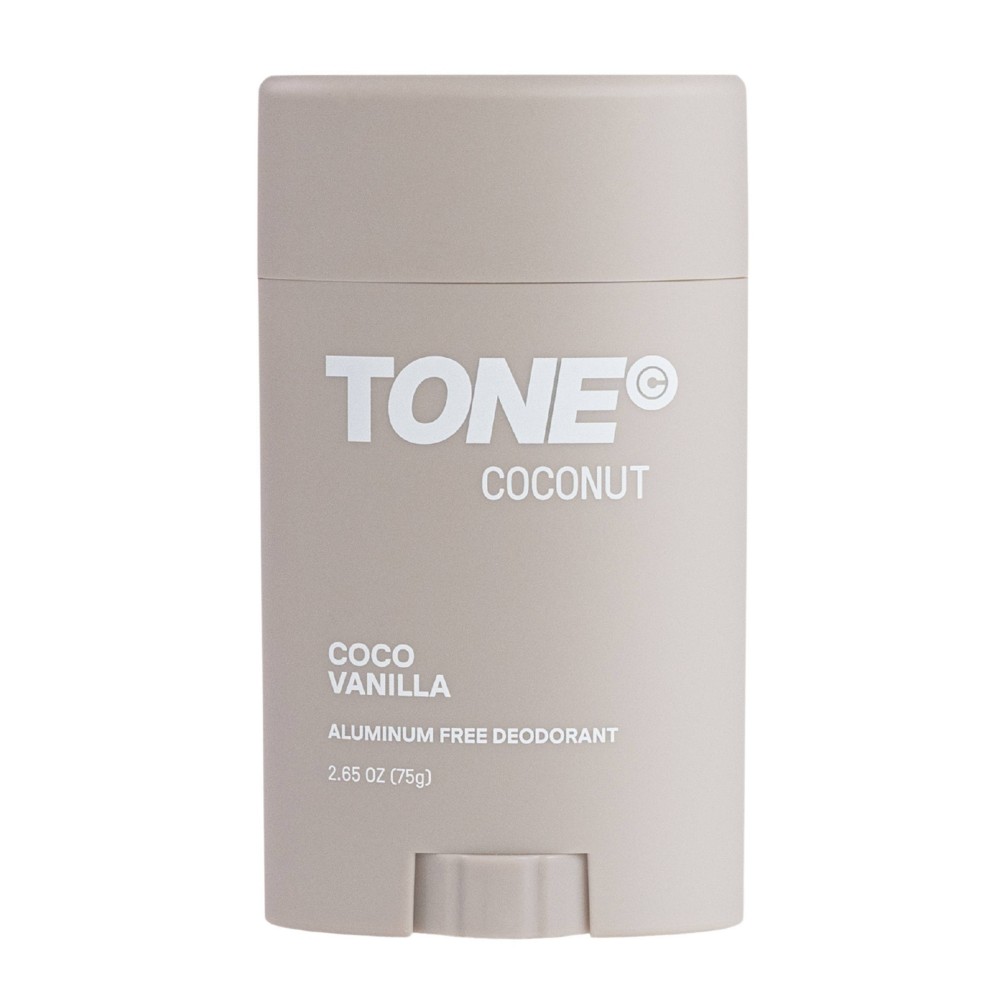
Dove Whole Body Deo Alcohol Free Deodorant Spray for Women Coconut Vanilla 4 oz
Analysis updated July 2026 · How Scout scores
At a glance
Summary
This deodorant contains some beneficial ingredients like sunflower seed oil, tocopheryl acetate, and niacinamide, which are known for their skin-nourishing and antioxidant properties. However, it also includes synthetic chemicals such as cyclopentasiloxane, PPG-14 butyl ether, and fragrance, which can cause skin irritation and have environmental concerns. The presence of these synthetic ingredients and the processed nature of the product limit its overall rating.
Key ingredients 12
helianthus annuus sunflower seed oilGood
Sunflower seed oil is a natural oil rich in vitamin E and fatty acids. It is known for its moisturizing and skin-nourishing properties. It is generally considered safe and beneficial for skin health.
Risks
Minimal risks, though some individuals may experience mild allergic reactions.
Benefits
Moisturizes and nourishes the skin, providing antioxidant benefits.
tocopheryl acetateGood
Tocopheryl acetate is a form of vitamin E, known for its antioxidant properties. It helps in protecting the skin from free radical damage. It is widely used in skincare for its moisturizing benefits.
Risks
Rarely, it may cause skin irritation in sensitive individuals.
Benefits
Acts as an antioxidant and provides moisturizing benefits.
niacinamideGood
Niacinamide, also known as vitamin B3, is known for its anti-inflammatory and skin-soothing properties. It helps in improving skin texture and reducing redness. It is well-tolerated by most skin types.
Risks
Minimal risks, though excessive use may cause mild irritation.
Benefits
Improves skin texture and reduces inflammation, making it beneficial for sensitive skin.
hydrofluorocarbon 152aNeutral
Hydrofluorocarbon 152a is used as a propellant in aerosol products. It is considered to have a low impact on the ozone layer compared to other propellants. However, it is a greenhouse gas and contributes to global warming.
Risks
As a greenhouse gas, it contributes to climate change.
Benefits
It is effective as a propellant and has a lower ozone depletion potential.
zinc neodecanoateNeutral
Zinc neodecanoate is used as an odor absorber in deodorants. It is generally considered safe for use in cosmetics. However, there is limited research on its long-term effects.
Risks
Limited research on long-term effects.
Benefits
Helps in absorbing odors, enhancing deodorant effectiveness.
c12-15 alkyl benzoateNeutral
C12-15 Alkyl Benzoate is an ester used as an emollient and thickening agent. It is generally considered safe for use in cosmetics. It provides a silky feel to the skin.
Risks
Rarely, it may cause skin irritation in sensitive individuals.
Benefits
Acts as an emollient, providing a smooth and silky feel to the skin.
octyldodecanolNeutral
Octyldodecanol is a fatty alcohol used as an emollient and thickener. It is generally considered safe and non-irritating. It helps in improving the texture of the product.
Risks
May cause mild irritation in very sensitive skin.
Benefits
Improves product texture and provides emollient properties.
isopropyl myristateNeutral
Isopropyl myristate is used to enhance the absorption of other ingredients. It is generally safe but can cause skin irritation in some individuals. It is also used to create a smooth, non-greasy feel.
Risks
Potential skin irritation, especially in sensitive individuals.
Benefits
Enhances absorption and provides a smooth application.
dimethiconolNeutral
Dimethiconol is a silicone used for its conditioning properties. It forms a protective barrier on the skin, reducing moisture loss. It is generally considered safe for use in cosmetics.
Risks
May cause build-up on the skin with prolonged use.
Benefits
Provides conditioning and forms a protective barrier on the skin.
cyclopentasiloxaneBad
Cyclopentasiloxane is a silicone used for its smooth application properties. It is restricted in the EU due to concerns about its persistence and bioaccumulation in the environment. It can also cause skin irritation in some individuals.
Risks
Potential environmental persistence and bioaccumulation, along with possible skin irritation.
Benefits
Provides a smooth application and helps in spreading other ingredients evenly.
ppg-14 butyl etherBad
PPG-14 Butyl Ether is a synthetic glycol ether used as a solvent and skin conditioning agent. It is derived from petroleum and can cause skin irritation. Its petrochemical origin raises environmental and health concerns.
Risks
May cause skin irritation and has environmental concerns due to its petrochemical origin.
Benefits
Acts as a solvent and helps in conditioning the skin.
fragrance (parfum)Very Bad
Fragrance in products can contain a mixture of various chemicals, including phthalates, which are linked to reproductive and organ damage. The exact composition is often undisclosed, leading to potential allergen exposure.
Risks
Potential for allergic reactions and long-term health effects due to undisclosed chemical composition.
Benefits
Provides a pleasant scent to the product.
Get the full breakdown in the Scout appTake Scout shopping
Scan any product to see lab results, healthy alternatives, and your personalized analysis.
Download on theApp Store GET IT ONGoogle PlayAmazon pricing & content
Amazon price as of . Product prices and availability are accurate as of the date/time indicated and are subject to change. Any price and availability information displayed on Amazon.com at the time of purchase will apply to the purchase of this product.
CERTAIN CONTENT THAT APPEARS ON THIS SITE COMES FROM AMAZON. THIS CONTENT IS PROVIDED “AS IS” AND IS SUBJECT TO CHANGE OR REMOVAL AT ANY TIME.