

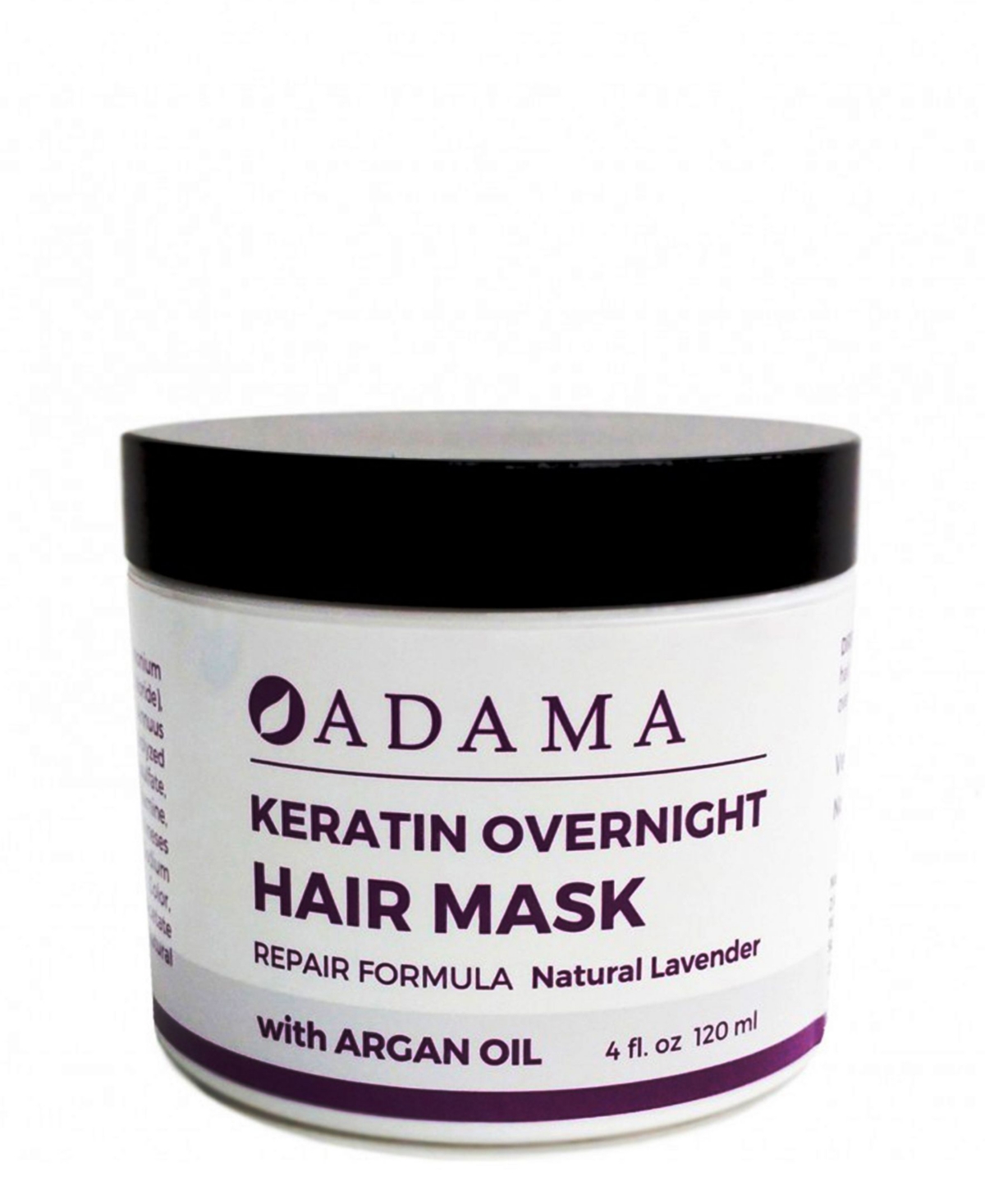

Zion Health Intense Repair Hair Mask 4 oz (113 g)
Analysis updated September 2026 · How Scout scores
At a glance
Summary
This hair mask contains a variety of beneficial ingredients such as shea butter, argan oil, and panthenol, which are known for their moisturizing and conditioning properties. The product is largely composed of natural oils and proteins, contributing to its overall safety and effectiveness. The presence of essential oils like lavender and ylang-ylang adds fragrance without relying on synthetic chemicals, enhancing its appeal as a clean-label product.
Key ingredients 28
Butyrospermum Parkii (Shea Butter) FruitVery Good
Shea Butter is a natural fat extracted from the nuts of the shea tree. It is known for its moisturizing and emollient properties, making it beneficial for skin and hair care. It is generally considered safe and highly beneficial.
Risks
There are no significant risks associated with shea butter.
Benefits
It deeply moisturizes and nourishes the hair, improving softness and elasticity.
PanthenolVery Good
Panthenol, also known as provitamin B5, is a humectant that helps to retain moisture in the hair and skin. It is known for its conditioning and soothing properties. It is generally considered safe and beneficial.
Risks
There are no significant risks associated with panthenol.
Benefits
It improves hair elasticity and shine, reducing breakage.
TocopherolVery Good
Tocopherol, also known as Vitamin E, is an antioxidant that helps to protect the skin and hair from oxidative damage. It is commonly used in cosmetics for its moisturizing and protective properties. It is generally considered safe and highly beneficial.
Risks
There are no significant risks associated with tocopherol.
Benefits
It helps to maintain hair health and prevent damage from environmental stressors.
Prunus Amygdalus Dulcis (Sweet Almond) OilVery Good
Sweet Almond Oil is a natural oil known for its moisturizing and nourishing properties. It is commonly used in cosmetics for its ability to soften and smooth the skin and hair. It is generally considered safe and highly beneficial.
Risks
There are no significant risks associated with sweet almond oil.
Benefits
It provides deep hydration and improves hair texture and shine.
Vitis Vinifera (Grapeseed) OilVery Good
Grapeseed Oil is a natural oil known for its lightweight and non-greasy texture. It is used in cosmetics for its moisturizing and antioxidant properties. It is generally considered safe and highly beneficial.
Risks
There are no significant risks associated with grapeseed oil.
Benefits
It provides lightweight hydration and helps to protect hair from environmental damage.
Argania Spinosa (Argan) Kernel OilVery Good
Argan Oil is a natural oil known for its nourishing and moisturizing properties. It is commonly used in hair care products for its ability to improve hair health and shine. It is generally considered safe and highly beneficial.
Risks
There are no significant risks associated with argan oil.
Benefits
It deeply nourishes and conditions the hair, enhancing softness and luster.
Hydrolyzed Barley ProteinGood
Hydrolyzed Barley Protein is a plant-derived protein that helps to strengthen and repair hair. It is known for its conditioning and film-forming properties, which protect the hair shaft. It is generally considered beneficial for hair health.
Risks
There are no significant risks associated with hydrolyzed barley protein.
Benefits
It enhances hair elasticity and resilience, reducing breakage.
Caprylic/Capric TriglycerideGood
Caprylic/Capric Triglyceride is an emollient derived from coconut oil and glycerin. It is used to improve the spreadability and absorption of products. It is generally considered safe and beneficial for skin and hair.
Risks
There are minimal risks associated with this ingredient.
Benefits
It provides a lightweight, non-greasy moisturizing effect.
Lavandula Angustifolia (Lavender) OilGood
Lavender Oil is an essential oil known for its calming and soothing properties. It is used in cosmetics for its fragrance and potential skin benefits. It is generally considered safe and beneficial.
Risks
In rare cases, it may cause irritation or allergic reactions.
Benefits
It provides a pleasant aroma and may have soothing effects on the scalp.
Cananga Odorata OilGood
Cananga Odorata Oil, also known as Ylang Ylang Oil, is an essential oil used for its fragrance and potential skin benefits. It is known for its calming and balancing properties. It is generally considered safe and beneficial.
Risks
In rare cases, it may cause irritation or allergic reactions.
Benefits
It provides a pleasant aroma and may have balancing effects on the scalp.
Citrus Medica Limonum (Lemon) Peel OilGood
Lemon Peel Oil is an essential oil known for its refreshing and uplifting scent. It is used in cosmetics for its fragrance and potential skin benefits. It is generally considered safe and beneficial.
Risks
In rare cases, it may cause photosensitivity or irritation.
Benefits
It provides a refreshing aroma and may have astringent properties.
Citrus Aurantifolia (Lime) OilGood
Lime Oil is an essential oil known for its refreshing and uplifting scent. It is used in cosmetics for its fragrance and potential skin benefits. It is generally considered safe and beneficial.
Risks
In rare cases, it may cause photosensitivity or irritation.
Benefits
It provides a refreshing aroma and may have astringent properties.
Aqua (Purified Water)Neutral
Aqua, or purified water, is commonly used as a solvent in cosmetic formulations. It helps to dissolve other ingredients and provides a base for the product. It is generally considered safe and non-reactive.
Risks
There are no significant risks associated with purified water in cosmetics.
Benefits
It acts as a carrier for other ingredients, ensuring even distribution and application.
Cetyl EstersNeutral
Cetyl Esters are used as emollients in cosmetic products, providing a smooth and soft feel to the skin and hair. They help to improve the texture and spreadability of formulations. They are generally considered safe for use.
Risks
There are minimal risks associated with cetyl esters, though they may cause mild irritation in sensitive individuals.
Benefits
They enhance the sensory properties of the product, contributing to a luxurious feel.
Cetyl AlcoholNeutral
Cetyl Alcohol is a fatty alcohol used as an emollient and thickening agent in cosmetics. It helps to stabilize emulsions and improve the texture of products. It is generally considered safe and non-irritating.
Risks
Rarely, it may cause mild irritation in sensitive skin types.
Benefits
It provides a moisturizing effect and enhances the product's consistency.
Stearyl AlcoholNeutral
Stearyl Alcohol is a fatty alcohol that acts as an emollient and thickener in cosmetic formulations. It helps to stabilize emulsions and improve the texture of products. It is generally considered safe for use.
Risks
It may cause mild irritation in sensitive individuals.
Benefits
It provides a smooth, creamy texture and helps to lock in moisture.
SorbitolNeutral
Sorbitol is a sugar alcohol used as a humectant in cosmetics, helping to retain moisture in the skin and hair. It is commonly used in hair care products for its moisturizing properties. It is generally considered safe for use.
Risks
There are minimal risks associated with sorbitol in topical applications.
Benefits
It helps to keep hair hydrated and prevents dryness.
Isopropyl MyristateNeutral
Isopropyl Myristate is an ester used as an emollient and thickening agent in cosmetics. It helps to improve the texture and absorption of products. It is generally considered safe for use.
Risks
It may cause mild irritation in sensitive individuals.
Benefits
It enhances the spreadability and feel of the product on the skin and hair.
Stearamidopropyl DimethylamineNeutral
Stearamidopropyl Dimethylamine is a conditioning agent used to improve hair texture and manageability. It is commonly used in hair care products for its detangling properties. It is generally considered safe for use.
Risks
There are minimal risks associated with this ingredient.
Benefits
It helps to smooth the hair cuticle and reduce static.
Cetearyl AlcoholNeutral
Cetearyl Alcohol is a fatty alcohol used as an emollient and thickener in cosmetics. It helps to stabilize emulsions and improve the texture of products. It is generally considered safe for use.
Risks
It may cause mild irritation in sensitive individuals.
Benefits
It provides a smooth, creamy texture and helps to lock in moisture.
EthylhexylglycerinNeutral
Ethylhexylglycerin is a preservative and skin conditioning agent used in cosmetics. It is known for its antimicrobial properties and ability to enhance the efficacy of other preservatives. It is generally considered safe for use.
Risks
There are minimal risks associated with ethylhexylglycerin.
Benefits
It helps to maintain product freshness and improve skin feel.
Ionic Clay MineralsNeutral
Ionic Clay Minerals are used in cosmetics for their detoxifying and purifying properties. They help to absorb excess oil and impurities from the skin and hair. They are generally considered safe for use.
Risks
There are minimal risks associated with ionic clay minerals.
Benefits
They help to cleanse and purify the hair, improving overall scalp health.
Cetrimonium ChlorideBad
Processed additive flagged under Scout's ingredient doctrine.
Risks
In high concentrations, it may cause irritation to the skin and eyes.
Benefits
It helps to smooth the hair cuticle, making hair easier to comb and style.
AmodimethiconeBad
Processed additive flagged under Scout's ingredient doctrine.
Risks
In some cases, it may build up on the hair, requiring clarifying shampoos for removal.
Benefits
It provides a silky, smooth finish and enhances shine.
Behentrimonium MethosulfateBad
Processed additive flagged under Scout's ingredient doctrine.
Risks
There are minimal risks associated with this ingredient.
Benefits
It provides a gentle conditioning effect, making hair easier to comb.
Soy LecithinBad
Refined emulsifier lecithin (doctrine: 'bad', distinct from seed oils).
Risks
There are minimal risks associated with soy lecithin.
Benefits
It enhances the texture and stability of the product.
Potassium SorbateBad
Synthetic preservative — flagged in daily-use products.
Risks
In rare cases, it may cause mild irritation.
Benefits
It helps to extend the shelf life of the product by preventing microbial growth.
Sodium BenzoateBad
Synthetic preservative that can form benzene in the presence of vitamin C.
Risks
In rare cases, it may cause mild irritation.
Benefits
It helps to extend the shelf life of the product by preventing microbial growth.
Get the full breakdown in the Scout appTake Scout shopping
Scan any product to see lab results, healthy alternatives, and your personalized analysis.
Download on theApp Store GET IT ONGoogle Play