
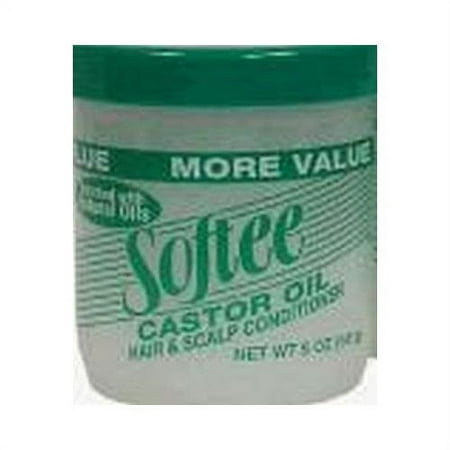

Softee Castor Oil Hair & Scalp Conditioner 5 Ounce
Analysis updated August 2026 · How Scout scores
At a glance
Summary
This hair conditioner contains several beneficial natural oils such as castor oil, coconut oil, jojoba oil, and olive oil, which are known for their moisturizing and conditioning properties. However, the presence of petrolatum, paraffin, and mineral oil, which are petroleum-derived ingredients, may not be ideal for all users due to potential concerns about scalp buildup and limited breathability. The product's formulation is a mix of natural and synthetic components, leading to a moderate processing level.
Key ingredients 9
Castor OilVery Good
Castor oil is a natural oil known for its moisturizing and conditioning properties. It is rich in ricinoleic acid, which helps to nourish the scalp and promote healthy hair growth. It is often used to enhance hair shine and strength.
Risks
Excessive use may lead to buildup on the scalp.
Benefits
It deeply conditions the hair and can improve scalp health.
Cocos Nucifera (Coconut) OilVery Good
Coconut oil is a natural oil known for its deep conditioning and moisturizing properties. It penetrates the hair shaft to provide nourishment and reduce protein loss. It is highly beneficial for dry and damaged hair.
Risks
May cause buildup if used excessively.
Benefits
Improves hair strength and shine while reducing frizz.
Simmondsia Chinensis (Jojoba) Seed OilVery Good
Jojoba oil is a natural oil that closely resembles the sebum produced by the scalp. It is easily absorbed and helps to balance oil production. It is beneficial for moisturizing and conditioning the hair.
Risks
Generally considered safe with minimal risk of irritation.
Benefits
Helps to moisturize the scalp and hair without leaving a greasy residue.
Olive OilVery Good
Olive oil is a natural oil known for its moisturizing and conditioning properties. It is rich in antioxidants and fatty acids that nourish the hair and scalp. It is effective in improving hair elasticity and reducing breakage.
Risks
Can be heavy for fine hair types, leading to a greasy appearance.
Benefits
Deeply conditions the hair and enhances its shine and softness.
Wheat Germ OilGood
Wheat germ oil is rich in vitamins and fatty acids that nourish the hair and scalp. It contains vitamin E, which is an antioxidant that helps to protect the hair from damage. It is beneficial for improving hair texture and elasticity.
Risks
May cause allergic reactions in individuals with wheat allergies.
Benefits
Provides nourishment and protection to the hair, enhancing its overall health.
Safflower OilGood
Safflower oil is a lightweight oil that helps to moisturize and condition the hair. It is rich in linoleic acid, which helps to maintain the integrity of the hair's lipid barrier. It is beneficial for promoting scalp health and reducing dryness.
Risks
Generally safe with minimal risk of irritation.
Benefits
Helps to moisturize the hair and scalp, improving overall hair health.
ParaffinBad
Processed additive flagged under Scout's ingredient doctrine.
Risks
May cause buildup on the hair and scalp if not washed out properly.
Benefits
Helps to lock in moisture and protect the hair from environmental damage.
Mineral OilBad
Processed additive flagged under Scout's ingredient doctrine.
Risks
Can cause buildup if not washed out thoroughly.
Benefits
Provides a protective layer that helps to retain moisture in the hair.
PetrolatumVery Bad
Heavily flagged ingredient class under Scout's doctrine.
Risks
There is a potential risk of pore clogging, especially for acne-prone skin.
Benefits
It effectively seals moisture in the hair and scalp, preventing dryness.
Get the full breakdown in the Scout appTake Scout shopping
Scan any product to see lab results, healthy alternatives, and your personalized analysis.
Download on theApp Store GET IT ONGoogle PlayAmazon pricing & content
Amazon price as of . Product prices and availability are accurate as of the date/time indicated and are subject to change. Any price and availability information displayed on Amazon.com at the time of purchase will apply to the purchase of this product.
CERTAIN CONTENT THAT APPEARS ON THIS SITE COMES FROM AMAZON. THIS CONTENT IS PROVIDED “AS IS” AND IS SUBJECT TO CHANGE OR REMOVAL AT ANY TIME.