




At a glance
Summary
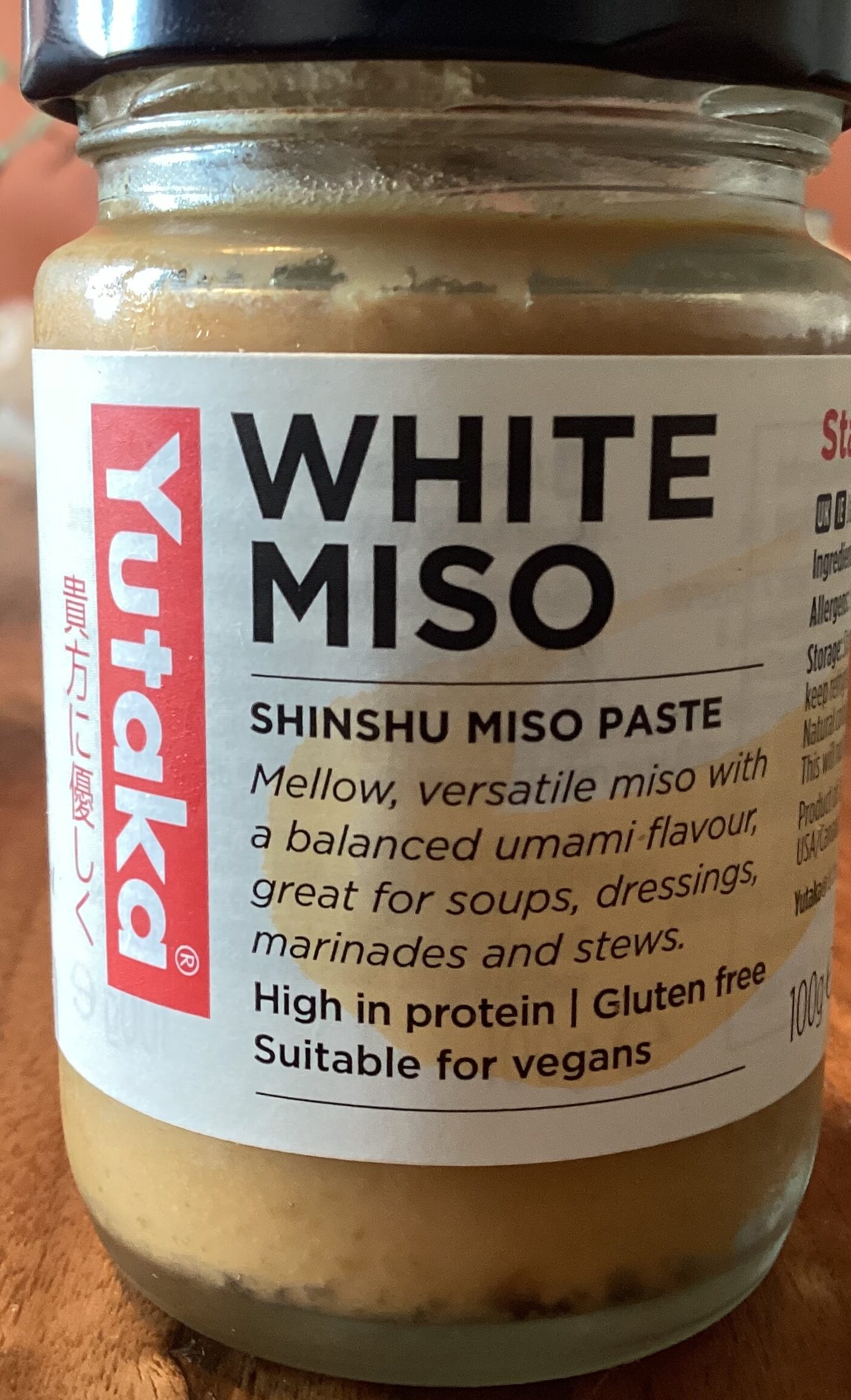
This organic white miso is made with high-quality ingredients such as organic soybeans and organic rice koji, which contribute to its nutritional value and flavor. The product is processed, but it avoids harmful additives and seed oils, maintaining a clean ingredient list. The presence of sea salt is balanced by its natural mineral content, making it a healthier option within its category.
Key ingredients 5
Organic Soy BeansGood
Organic soy beans are a good source of plant-based protein and essential amino acids. Being organic, they are less likely to contain pesticide residues and GMOs. They also provide isoflavones, which may have health benefits.
Risks
Soy can be an allergen for some individuals and may interfere with thyroid function in susceptible people.
Benefits
Rich in protein and isoflavones, which may support heart health and bone density.
Organic Rice KojiGood
Organic rice koji is a key ingredient in fermentation, providing enzymes that break down starches into sugars. The organic certification ensures minimal pesticide use and no GMOs. It enhances the flavor and nutritional profile of miso.
Benefits
Contributes to the fermentation process, enhancing flavor and digestibility of the final product.
Sea SaltGood
Sea salt is a natural source of sodium and trace minerals, used for flavor and preservation. It is less processed than table salt, retaining more minerals. Its use in moderation can enhance the taste without significant health risks.
Risks
Excessive sodium intake can lead to hypertension and cardiovascular issues.
Benefits
Provides essential sodium and trace minerals, supporting electrolyte balance.
WaterNeutral
Water is a neutral ingredient used as a solvent and carrier in food products. It does not contribute any significant nutritional value or health risks. Its presence is essential for the fermentation process in miso production.
See more about Water →YeastNeutral
Yeast is used in fermentation to develop flavor and texture in miso. It does not contribute significant nutritional value but is crucial for the fermentation process. Its role is primarily functional in the production of miso.
See more about Yeast →Processing
Processed Foods
Get the full breakdown in the Scout appTake Scout shopping
Scan any product to see lab results, healthy alternatives, and your personalized analysis.
Download on theApp Store GET IT ONGoogle Play