
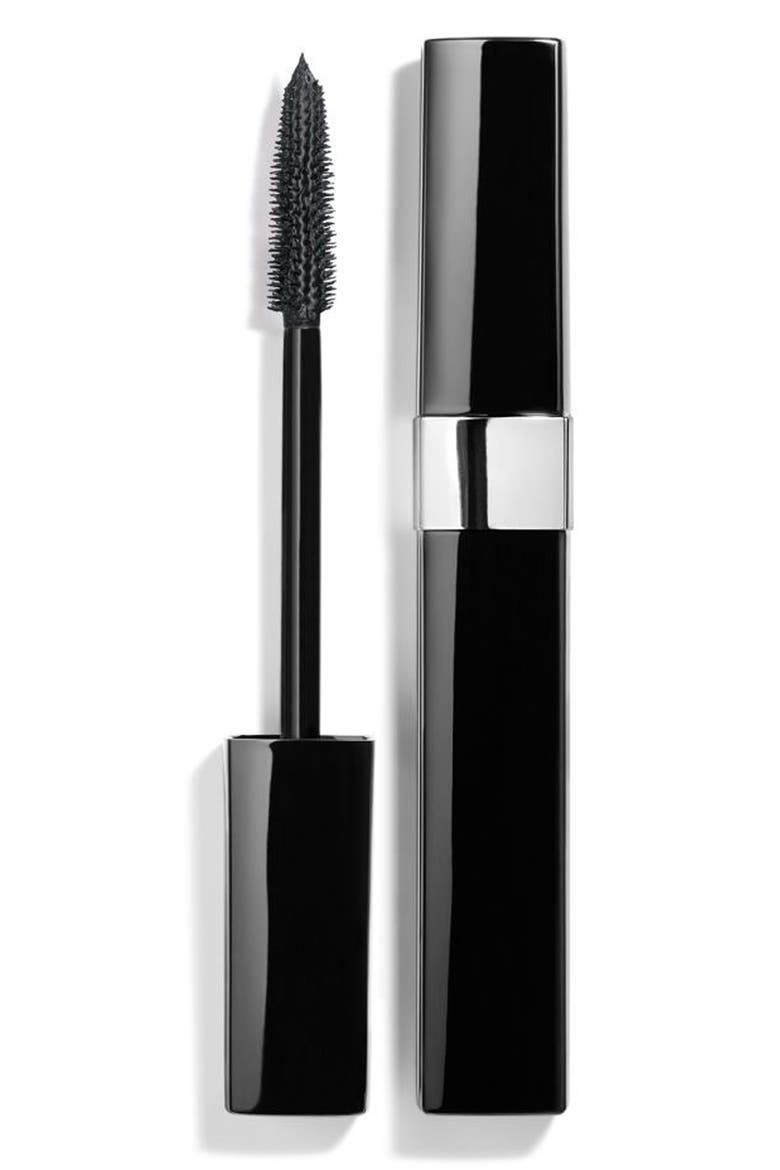
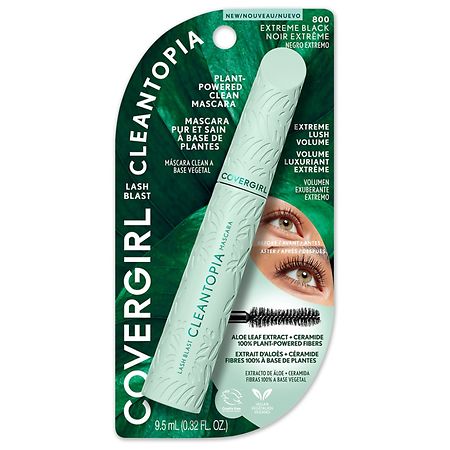
Inimitable Intense Mascara Multi Dimensionnel Sophistique 10 Noir
Analysis updated September 2026 · How Scout scores
At a glance
Summary
This mascara contains beneficial ingredients like beeswax and tocopheryl acetate, which are natural and provide skin-conditioning and antioxidant benefits. The product avoids harsh chemicals and synthetic fragrances, contributing to a safer formulation. However, the presence of some synthetic colorants and preservatives slightly lowers the overall ingredient safety score.
Key ingredients 27
Cera AlbaVery Good
Cera Alba, or beeswax, is a natural wax used as an emollient and thickening agent in cosmetics. It helps in providing a protective barrier on the skin. It is highly valued for its natural origin and skin-conditioning properties.
Risks
There are minimal risks associated with beeswax, primarily related to potential allergies.
Benefits
Beeswax provides moisture retention and a protective barrier for the skin.
InulinGood
Beneficial ingredient — whole-food or functional value in this product class.
Risks
There are no significant risks associated with inulin in cosmetics.
Benefits
Inulin can help in maintaining skin hydration.
Tocopheryl AcetateGood
Tocopheryl Acetate is a form of Vitamin E used as an antioxidant in cosmetics. It helps in protecting the skin from free radical damage. It is highly valued for its skin-conditioning and antioxidant properties.
Risks
There are minimal risks associated with tocopheryl acetate, primarily related to potential allergies.
Benefits
Tocopheryl Acetate provides antioxidant protection and skin conditioning benefits.
MicaGood
Beneficial ingredient — whole-food or functional value in this product class.
Risks
There are no significant risks associated with mica in cosmetics.
Benefits
Mica provides a shimmering effect and enhances the texture of cosmetic products.
WaterNeutral
Water is a common solvent used in cosmetics to dissolve other ingredients. It helps in forming the base of the product. It does not have any direct benefits or risks associated with its use in cosmetics.
Risks
There are no significant risks associated with water in cosmetics.
Benefits
Water helps in creating a smooth texture and consistency in cosmetic products.
Oryza Sativa Bran WaxNeutral
Oryza Sativa Bran Wax is used as a thickening agent and emollient in cosmetics. It helps in providing a smooth application. It is generally considered safe for use in cosmetics.
Risks
There are no significant risks associated with Oryza Sativa Bran Wax.
Benefits
It helps in improving the texture and application of the product.
CelluloseNeutral
Cellulose is used as a thickening agent and stabilizer in cosmetics. It helps in maintaining the consistency of the product. It is generally considered safe for use in cosmetics.
Risks
There are no significant risks associated with cellulose in cosmetics.
Benefits
Cellulose helps in stabilizing the product formulation.
Stearic AcidNeutral
Stearic Acid is a fatty acid used as an emulsifier and thickener in cosmetics. It helps in stabilizing formulations and providing a smooth texture. It is generally considered safe for use in cosmetics.
Risks
There are no significant risks associated with stearic acid in cosmetics.
Benefits
Stearic Acid helps in improving the texture and stability of cosmetic products.
Palmitic AcidNeutral
Palmitic Acid is a fatty acid used as an emollient and surfactant in cosmetics. It helps in improving the texture and spreadability of products. It is generally considered safe for use in cosmetics.
Risks
There are no significant risks associated with palmitic acid in cosmetics.
Benefits
Palmitic Acid helps in enhancing the texture and application of cosmetic products.
Acacia Senegal GumNeutral
Acacia Senegal Gum is a natural gum used as a thickening agent and stabilizer in cosmetics. It helps in improving the texture and consistency of products. It is generally considered safe for use in cosmetics.
Risks
There are no significant risks associated with Acacia Senegal Gum in cosmetics.
Benefits
It helps in stabilizing and thickening cosmetic formulations.
Copernicia Cerifera CeraNeutral
Copernicia Cerifera Cera, or carnauba wax, is used as a thickening agent and emollient in cosmetics. It provides a glossy finish and improves the texture of products. It is generally considered safe for use in cosmetics.
Risks
There are no significant risks associated with carnauba wax in cosmetics.
Benefits
Carnauba wax provides a glossy finish and enhances the texture of cosmetic products.
Aminomethyl PropanediolNeutral
Aminomethyl Propanediol is used as a pH adjuster in cosmetics. It helps in maintaining the stability and effectiveness of the product. It is generally considered safe for use in cosmetics.
Risks
There are no significant risks associated with aminomethyl propanediol in cosmetics.
Benefits
It helps in maintaining the pH balance of cosmetic formulations.
HydroxyethylcelluloseNeutral
Hydroxyethylcellulose is used as a thickening agent and stabilizer in cosmetics. It helps in improving the texture and consistency of products. It is generally considered safe for use in cosmetics.
Risks
There are no significant risks associated with hydroxyethylcellulose in cosmetics.
Benefits
It helps in stabilizing and thickening cosmetic formulations.
Sodium DehydroacetateNeutral
Sodium Dehydroacetate is used as a preservative in cosmetics. It helps in preventing the growth of microorganisms in the product. It is generally considered safe for use in cosmetics.
Risks
There are no significant risks associated with sodium dehydroacetate in cosmetics.
Benefits
It helps in preserving the product by preventing microbial growth.
ChlorphenesinNeutral
Chlorphenesin is used as a preservative in cosmetics. It helps in preventing the growth of bacteria and fungi in the product. It is generally considered safe for use in cosmetics.
Risks
There are no significant risks associated with chlorphenesin in cosmetics.
Benefits
It helps in preserving the product by preventing microbial contamination.
Polyquaternium-10Neutral
Polyquaternium-10 is used as a conditioning agent in cosmetics. It helps in improving the texture and feel of the product. It is generally considered safe for use in cosmetics.
Risks
There are no significant risks associated with polyquaternium-10 in cosmetics.
Benefits
It helps in conditioning and improving the texture of cosmetic products.
CI 75470Neutral
CI 75470, also known as carmine, is a colorant used in cosmetics. It provides a red pigment to the product. It is generally considered safe for use in cosmetics.
Risks
There are minimal risks associated with carmine, primarily related to potential allergies.
Benefits
Carmine provides vibrant red pigmentation to cosmetic products.
CI 77000Neutral
CI 77000, also known as aluminum powder, is a colorant used in cosmetics. It provides a metallic sheen to the product. It is generally considered safe for use in cosmetics.
Risks
There are minimal risks associated with aluminum powder, primarily related to potential allergies.
Benefits
Aluminum powder provides a metallic sheen to cosmetic products.
CI 77007Neutral
CI 77007, also known as ultramarine blue, is a colorant used in cosmetics. It provides a blue pigment to the product. It is generally considered safe for use in cosmetics.
Risks
There are no significant risks associated with ultramarine blue in cosmetics.
Benefits
Ultramarine blue provides vibrant blue pigmentation to cosmetic products.
CI 77163Neutral
CI 77163, also known as bismuth oxychloride, is a colorant used in cosmetics. It provides a pearlescent finish to the product. It is generally considered safe for use in cosmetics.
Risks
There are minimal risks associated with bismuth oxychloride, primarily related to potential allergies.
Benefits
Bismuth oxychloride provides a pearlescent finish to cosmetic products.
CI 77288Neutral
CI 77288, also known as chromium oxide greens, is a colorant used in cosmetics. It provides a green pigment to the product. It is generally considered safe for use in cosmetics.
Risks
There are no significant risks associated with chromium oxide greens in cosmetics.
Benefits
Chromium oxide greens provide vibrant green pigmentation to cosmetic products.
CI 77491Neutral
CI 77491, also known as red iron oxide, is a colorant used in cosmetics. It provides a red pigment to the product. It is generally considered safe for use in cosmetics.
Risks
There are no significant risks associated with red iron oxide in cosmetics.
Benefits
Red iron oxide provides vibrant red pigmentation to cosmetic products.
CI 77492Neutral
CI 77492, also known as yellow iron oxide, is a colorant used in cosmetics. It provides a yellow pigment to the product. It is generally considered safe for use in cosmetics.
Risks
There are no significant risks associated with yellow iron oxide in cosmetics.
Benefits
Yellow iron oxide provides vibrant yellow pigmentation to cosmetic products.
CI 77499Neutral
CI 77499, also known as black iron oxide, is a colorant used in cosmetics. It provides a black pigment to the product. It is generally considered safe for use in cosmetics.
Risks
There are no significant risks associated with black iron oxide in cosmetics.
Benefits
Black iron oxide provides deep black pigmentation to cosmetic products.
CI 77510Neutral
CI 77510, also known as ferric ferrocyanide, is a colorant used in cosmetics. It provides a blue pigment to the product. It is generally considered safe for use in cosmetics.
Risks
There are no significant risks associated with ferric ferrocyanide in cosmetics.
Benefits
Ferric ferrocyanide provides vibrant blue pigmentation to cosmetic products.
CI 77742Neutral
CI 77742, also known as manganese violet, is a colorant used in cosmetics. It provides a violet pigment to the product. It is generally considered safe for use in cosmetics.
Risks
There are no significant risks associated with manganese violet in cosmetics.
Benefits
Manganese violet provides vibrant violet pigmentation to cosmetic products.
CI 77891Neutral
CI 77891, also known as titanium dioxide, is a colorant and UV filter used in cosmetics. It provides a white pigment and offers some UV protection. It is generally considered safe for use in cosmetics.
Risks
There are no significant risks associated with titanium dioxide in cosmetics.
Benefits
Titanium dioxide provides pigmentation and UV protection in cosmetic products.
Get the full breakdown in the Scout appTake Scout shopping
Scan any product to see lab results, healthy alternatives, and your personalized analysis.
Download on theApp Store GET IT ONGoogle Play