
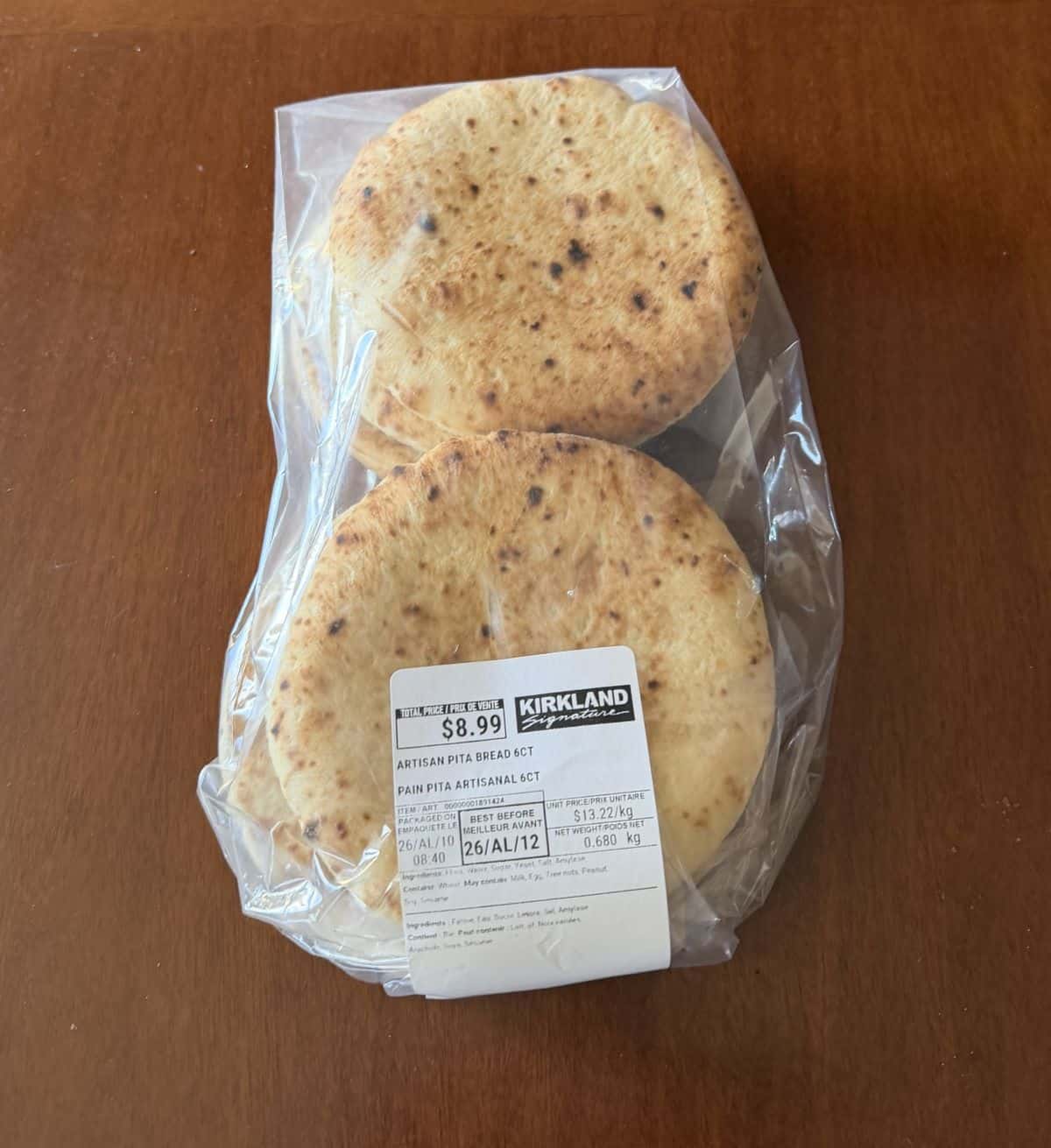


Pita Bread
Summary
This pita bread contains beneficial ingredients like whole wheat flour and olive oil, which provide nutrients and healthy fats. However, it is heavily processed with additives such as mono- and diglycerides and sunflower oil, which are less desirable due to their potential health impacts. The presence of refined sugar and the overall high level of processing limit its healthiness despite some positive nutritional aspects.
At a glance
Key ingredients 15
Enriched FlourNeutral
Enriched flour is refined wheat flour with added vitamins and minerals. It lacks the fiber and nutrients found in whole grains. The enrichment process adds back some nutrients lost during processing.
Risks
May contribute to blood sugar spikes due to lack of fiber.
Benefits
Provides essential vitamins and minerals such as iron and B vitamins.
Whole Wheat FlourGood
Whole wheat flour is made from the entire wheat kernel, retaining its natural nutrients and fiber. It supports digestive health and provides a steady release of energy. Compared to refined flour, it offers more vitamins and minerals.
Benefits
Rich in dietary fiber, which aids in digestion and helps maintain stable blood sugar levels.
Olive OilVery Good
Olive oil is a high-quality monounsaturated fat with anti-inflammatory properties. It contains antioxidants that support heart health. Cold-pressed extraction preserves beneficial compounds.
Benefits
Rich in monounsaturated fats that support heart health and provide anti-inflammatory properties.
YeastNeutral
Yeast is a microorganism used in baking to leaven bread. It ferments sugars, producing carbon dioxide that helps dough rise. It is a natural ingredient with no significant health concerns.
Benefits
Contributes to the texture and flavor of bread.
Wheat GlutenNeutral
Wheat gluten is a protein found in wheat that provides elasticity to dough. It is essential for the structure of bread products. While beneficial for baking, it can cause issues for those with gluten intolerance.
Risks
May cause adverse reactions in individuals with gluten intolerance or celiac disease.
Benefits
Enhances the texture and chewiness of bread.
SaltNeutral
Salt is used to enhance flavor and control yeast activity in baking. It is a common ingredient in bread making. Excessive consumption can lead to health issues such as hypertension.
Risks
High intake may contribute to elevated blood pressure.
Benefits
Enhances flavor and helps control yeast fermentation.
Natural Mold InhibitorNeutral
Natural mold inhibitors are used to extend the shelf life of bread by preventing mold growth. They are derived from natural sources like cultured wheat flour. They are generally considered safe for consumption.
Benefits
Helps maintain product freshness and safety by preventing mold.
SugarBad
Sugar is a refined carbohydrate that provides sweetness and aids in yeast fermentation. It can contribute to health issues like obesity and diabetes when consumed in excess. In bread, it is often used in small amounts.
Risks
Excessive consumption can lead to weight gain and increased risk of metabolic disorders.
Benefits
Provides energy and enhances the flavor of baked goods.
Guar GumNeutral
Guar gum is a thickening agent derived from guar beans. It is used to improve texture and moisture retention in baked goods. It is generally recognized as safe but can cause digestive issues in large amounts.
Risks
May cause digestive discomfort if consumed in large quantities.
Benefits
Improves texture and moisture retention in baked products.
Sunflower OilVery Bad
Sunflower oil is a seed oil high in omega-6 fatty acids, which can promote inflammation. It is often refined, which may strip away beneficial nutrients. Compared to other oils, it is less stable at high temperatures.
Risks
High omega-6 content may promote inflammation when consumed in excess.
Calcium SulfateNeutral
Calcium sulfate is used as a firming agent and dough conditioner in baking. It is a naturally occurring mineral that is generally recognized as safe. It provides calcium, which is beneficial for bone health.
Benefits
Contributes to the firmness and structure of baked goods.
Mono- And DiglyceridesBad
Mono- and diglycerides are emulsifiers used to improve texture and extend shelf life. They are often derived from partially hydrogenated oils, which may contain trans fats. Their use in processed foods is widespread but controversial.
Risks
May contain trans fats, which are linked to heart disease.
Benefits
Improves texture and shelf stability of baked goods.
Acacia GumNeutral
Acacia gum is a natural gum used as a stabilizer and thickener. It is derived from the sap of acacia trees and is generally recognized as safe. It is used to improve texture and consistency in food products.
Benefits
Helps stabilize and thicken food products.
Barley FlourGood
Barley flour is made from ground barley grains and is rich in fiber and nutrients. It supports heart health and aids in digestion. Compared to wheat flour, it has a lower glycemic index, making it a healthier option.
Benefits
Rich in dietary fiber and beneficial nutrients, supporting heart health and digestion.
Ascorbic AcidNeutral
Ascorbic acid, also known as vitamin C, is used as a dough conditioner and antioxidant. It helps improve the volume and texture of bread. It is a natural compound with no significant health concerns.
Benefits
Acts as an antioxidant and improves dough quality.
Processing
Ultra-Processed Foods
Get the full breakdown in the Scout app
Scan any product to see lab results, healthy alternatives, and your personalized analysis.
Download on theApp Store