

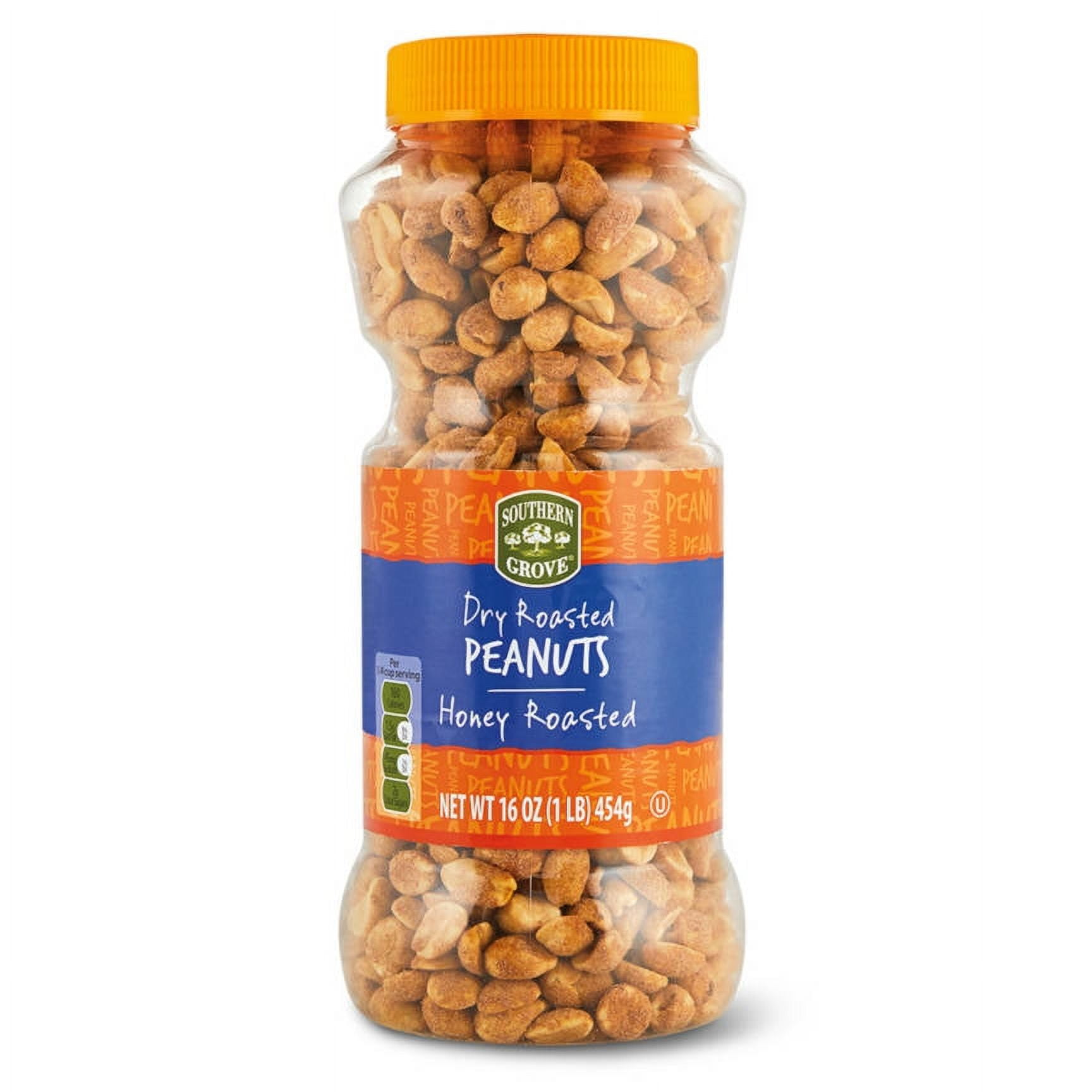



Member's Mark Deluxe Mixed Nuts Unsalted
Member's MarkAnalysis updated June 2026 · How Scout scores
At a glance
Summary
This product contains a variety of nutrient-dense nuts such as almonds, pecans, and Brazil nuts, which are rich in healthy fats, protein, and essential minerals. However, the use of peanut oil, a refined oil high in omega-6 fatty acids, detracts from its overall healthiness due to potential inflammatory effects. Despite being a processed food, the product maintains a relatively clean ingredient list with minimal additives.
Key ingredients 15
CashewsVery Good
Cashews are a good source of healthy fats, protein, and essential minerals like magnesium and zinc. They are minimally processed and provide a creamy texture and rich flavor. Cashews can support heart health and bone strength.
Risks
Cashews may cause allergic reactions in sensitive individuals.
Benefits
Rich in monounsaturated fats and essential minerals, supporting heart health and bone strength.
AlmondsVery Good
Almonds are nutrient-dense nuts high in healthy fats, fiber, and vitamin E. They are typically consumed raw or roasted, preserving their nutritional value. Almonds can help lower cholesterol levels and improve heart health.
Risks
Almonds may cause allergic reactions in some individuals.
Benefits
High in vitamin E and healthy fats, almonds support heart health and may lower cholesterol.
PecansVery Good
Pecans are rich in healthy fats, antioxidants, and vitamins such as vitamin E. They are often consumed raw or roasted, maintaining their nutritional integrity. Pecans can aid in reducing inflammation and improving heart health.
Risks
Pecans may trigger allergic reactions in susceptible individuals.
Benefits
Contain antioxidants and healthy fats that support heart health and reduce inflammation.
PistachiosVery Good
Pistachios are a good source of protein, fiber, and antioxidants. They are typically consumed with minimal processing, such as roasting. Pistachios can help improve blood lipid profiles and support weight management.
Risks
Pistachios may cause allergies in some people.
Benefits
Rich in protein and fiber, pistachios support heart health and weight management.
Brazil nutsVery Good
Brazil nuts are an excellent source of selenium, a mineral important for thyroid function and antioxidant defense. They are typically consumed raw, preserving their nutrient content. Brazil nuts can support immune function and reduce inflammation.
Risks
Excessive consumption can lead to selenium toxicity.
Benefits
High in selenium, supporting immune function and antioxidant defense.
HazelnutsVery Good
Hazelnuts are rich in healthy fats, vitamin E, and antioxidants. They are usually consumed raw or roasted, maintaining their nutritional profile. Hazelnuts can improve heart health and provide anti-inflammatory benefits.
Risks
Hazelnuts may cause allergic reactions in some individuals.
Benefits
High in vitamin E and antioxidants, supporting heart health and reducing inflammation.
Macadamia nutsVery Good
Macadamia nuts are high in monounsaturated fats, which are beneficial for heart health. They are typically consumed raw or roasted, preserving their nutritional value. Macadamia nuts can help lower cholesterol levels and improve heart health.
Risks
Macadamia nuts may cause allergic reactions in sensitive individuals.
Benefits
Rich in monounsaturated fats, supporting heart health and lowering cholesterol.
WalnutsVery Good
Walnuts are rich in omega-3 fatty acids, antioxidants, and polyphenols. They are typically consumed raw, preserving their beneficial compounds. Walnuts can support brain health and reduce inflammation.
Risks
Walnuts may cause allergic reactions in some individuals.
Benefits
High in omega-3 fatty acids and antioxidants, supporting brain health and reducing inflammation.
CoconutGood
Coconut provides medium-chain triglycerides (MCTs), which are easily digestible fats that can provide quick energy. It is minimally processed and retains its natural nutrients. Coconut can support energy metabolism and improve satiety.
Benefits
Contains MCTs that provide quick energy and support metabolism.
Pine nutsGood
Pine nuts are a good source of healthy fats, protein, and magnesium. They are often consumed raw or roasted, maintaining their nutrient content. Pine nuts can support heart health and provide energy.
Risks
Pine nuts may cause allergic reactions in some individuals.
Benefits
Contain healthy fats and magnesium, supporting heart health and energy production.
MilkGood
Whole dairy ingredient.
Risks
May cause lactose intolerance symptoms in sensitive individuals.
Benefits
Provides calcium and protein, supporting bone health.
SesameGood
Sesame seeds are rich in healthy fats, protein, and minerals like calcium and magnesium. They are often consumed raw or toasted, maintaining their nutritional value. Sesame seeds can support bone health and provide antioxidant benefits.
Risks
Sesame seeds may cause allergic reactions in some individuals.
Benefits
Rich in minerals and healthy fats, supporting bone health and providing antioxidants.
SoyNeutral
Soy is a source of plant-based protein and isoflavones, which can have health benefits. It is often processed into various forms, which can affect its nutritional profile. Soy can support heart health but may affect hormone levels in sensitive individuals.
Risks
May affect hormone levels due to isoflavones in sensitive individuals.
Benefits
Provides plant-based protein and may support heart health.
WheatNeutral
Wheat is a staple grain providing carbohydrates, fiber, and some protein. It is often processed into flour, which can reduce its fiber content. Wheat can support energy levels but may cause gluten intolerance in some individuals.
Risks
May cause gluten intolerance symptoms in sensitive individuals.
Benefits
Provides carbohydrates and fiber, supporting energy levels.
Peanut oilBad
Peanut oil is a refined oil high in omega-6 fatty acids, which can promote inflammation if consumed in excess. It is often extracted using heat and chemicals, which may degrade its nutritional quality. Compared to other oils, it lacks significant health benefits.
Risks
High omega-6 content may promote inflammation when consumed in excess.
Processing
Processed Foods
Get the full breakdown in the Scout appTake Scout shopping
Scan any product to see lab results, healthy alternatives, and your personalized analysis.
Download on theApp Store GET IT ONGoogle PlayAmazon pricing & content
Amazon price as of . Product prices and availability are accurate as of the date/time indicated and are subject to change. Any price and availability information displayed on Amazon.com at the time of purchase will apply to the purchase of this product.
CERTAIN CONTENT THAT APPEARS ON THIS SITE COMES FROM AMAZON. THIS CONTENT IS PROVIDED “AS IS” AND IS SUBJECT TO CHANGE OR REMOVAL AT ANY TIME.