


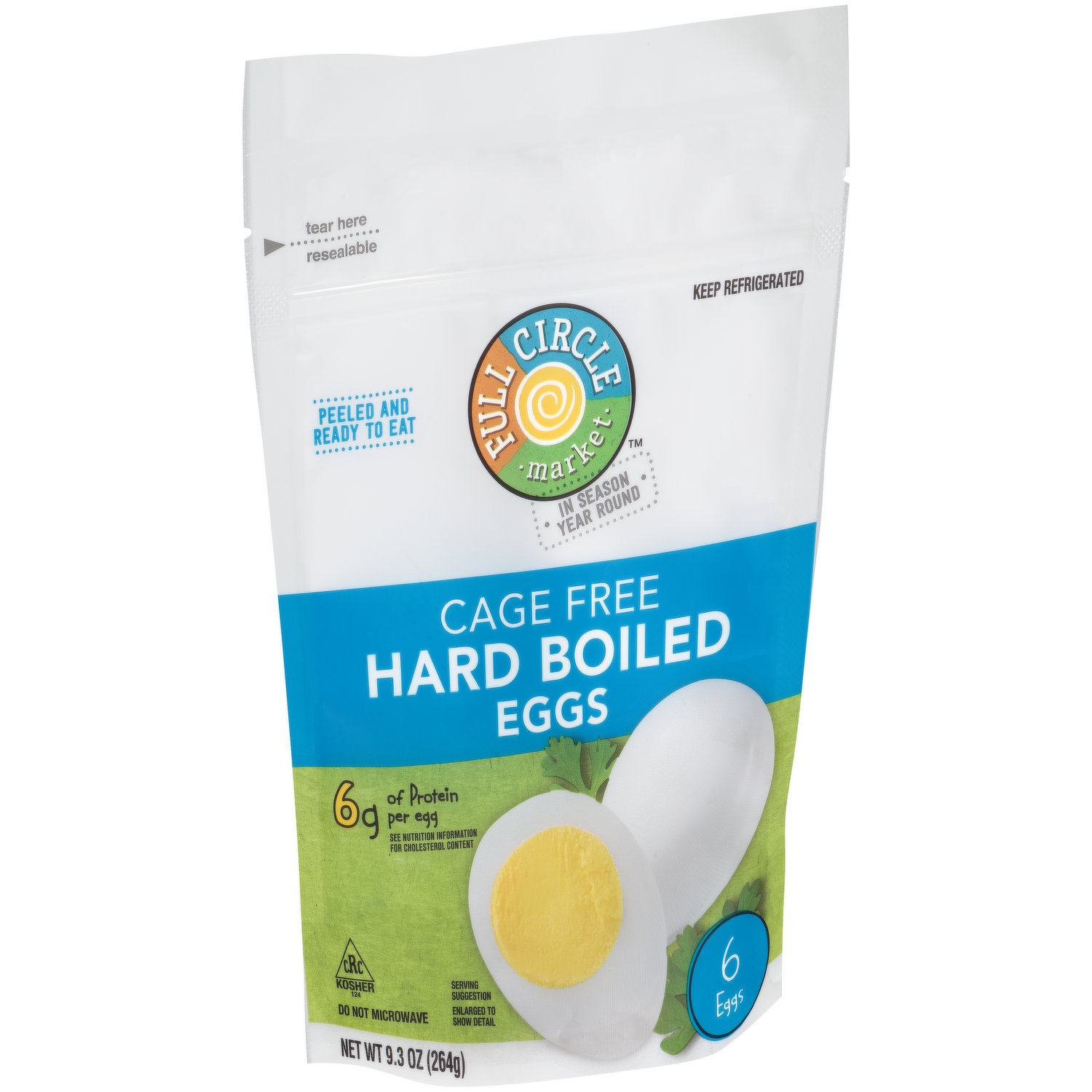

Circle K cage-free hard boiled eggs
Analysis updated August 2026 · How Scout scores
At a glance
Summary
This product consists primarily of whole eggs, which are a minimally processed, high-quality source of protein and essential nutrients. The addition of citric acid is minimal and serves as a preservative, which does not significantly impact the overall healthiness of the product. The cage-free label suggests better animal welfare practices, further enhancing its nutritional profile.
Key ingredients 3
EggsVery Good
Eggs are a high-quality source of complete protein and essential nutrients. Cage-free eggs may offer better animal welfare and potentially higher nutrient content. They are minimally processed, retaining their natural nutritional profile.
Risks
Eggs can be a common allergen and may pose a risk of salmonella if not properly handled.
Benefits
Rich in protein, vitamins, and minerals such as vitamin B12, selenium, and choline, which support brain health and metabolism.
WaterNeutral
Water is used as a processing aid and does not contribute significant nutritional value. It is essential for hydration but does not impact the nutritional profile of the product. Its presence is typical in minimally processed foods.
See more about Water →Citric AcidNeutral
Citric acid is a natural preservative and flavor enhancer. It is commonly used to maintain freshness and prevent spoilage. It is generally recognized as safe when used in food products.
Risks
Excessive consumption may cause gastrointestinal discomfort in sensitive individuals.
Benefits
Helps preserve the freshness of food products and can enhance flavor.
Processing
Unprocessed or Minimally Processed Foods
Get the full breakdown in the Scout appTake Scout shopping
Scan any product to see lab results, healthy alternatives, and your personalized analysis.
Download on theApp Store GET IT ONGoogle Play