
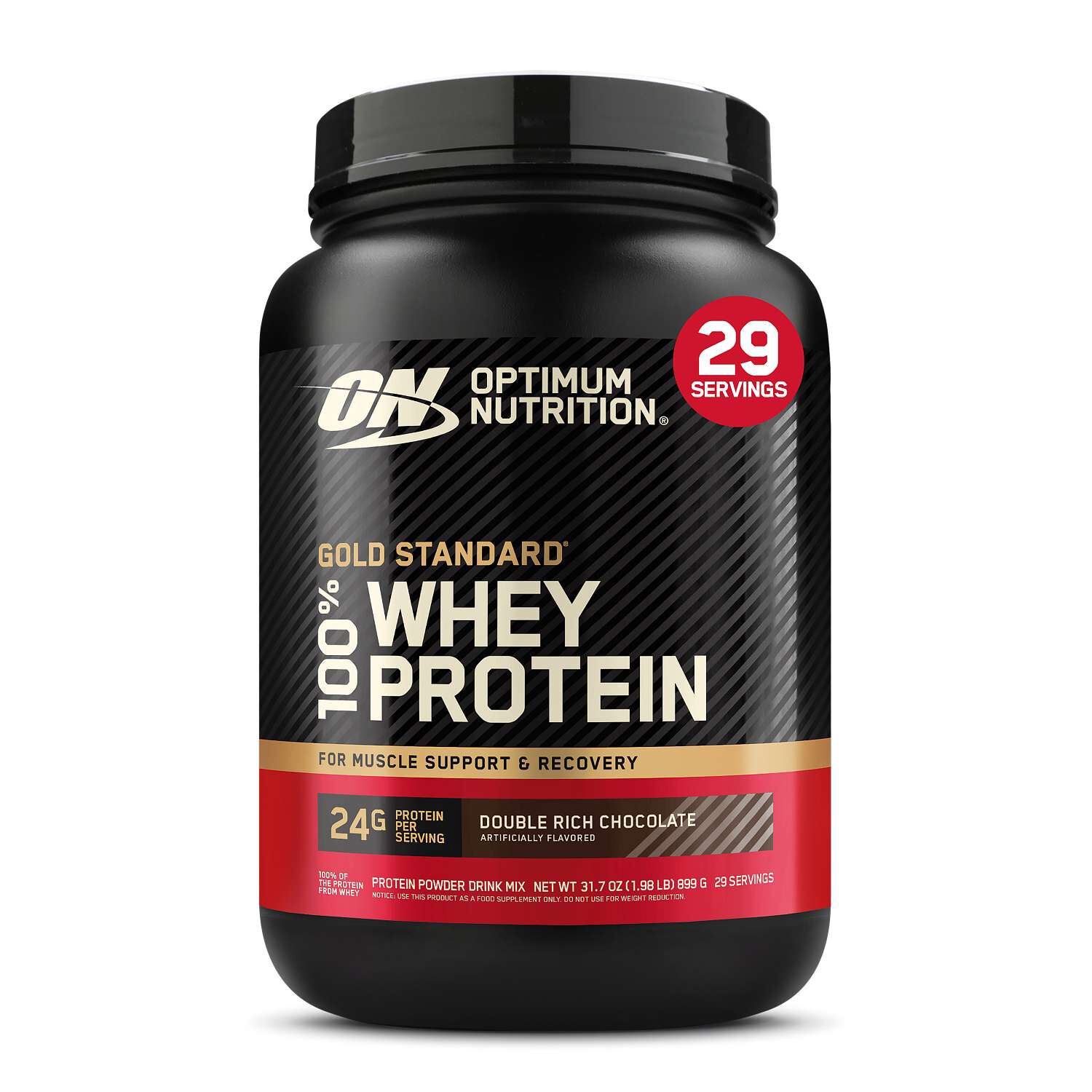
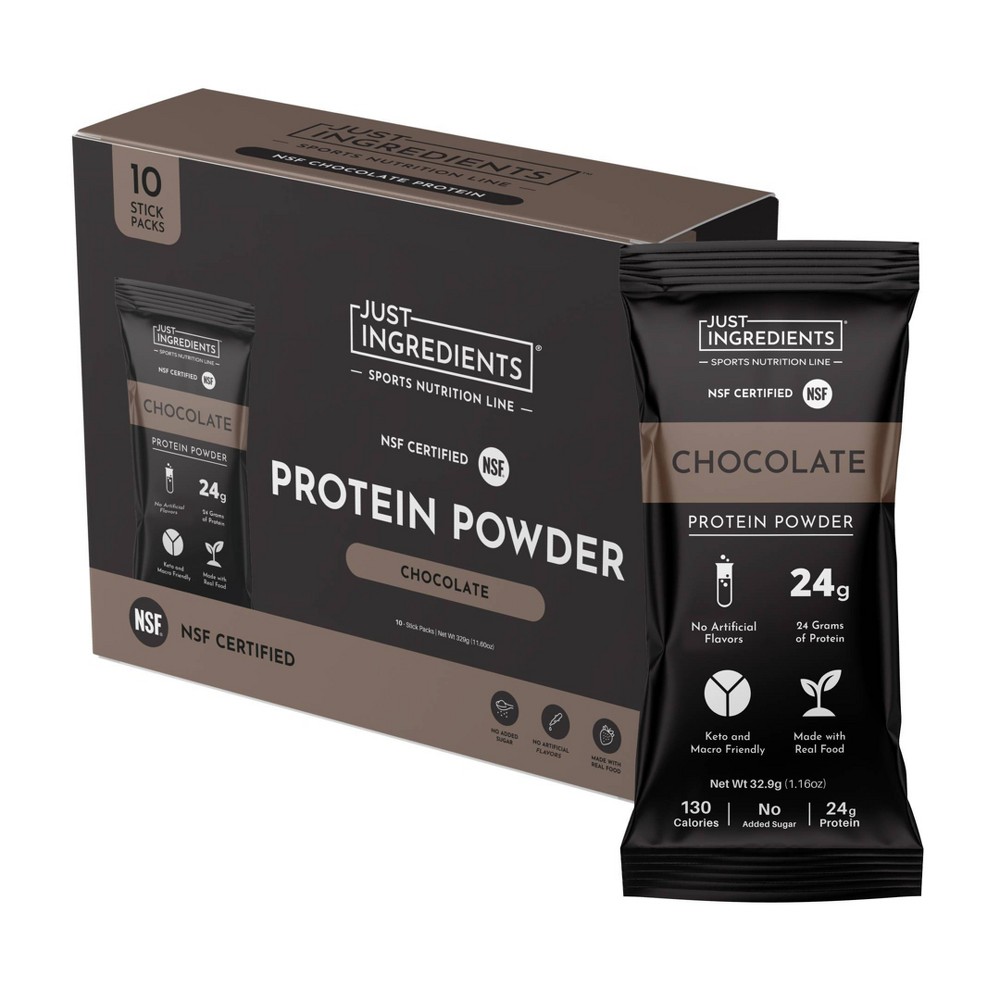

Whey Protein Rich Chocolate
Summary
This whey protein product contains high-quality protein sources like whey protein isolate and concentrate, which are beneficial for muscle repair and growth. However, it includes artificial sweeteners such as sucralose and acesulfame potassium, which raise concerns about potential metabolic effects. Additionally, the presence of carrageenan and natural flavors contributes to its high processing level, impacting the overall score negatively.
At a glance
Key ingredients 9
Whey Protein IsolateVery Good
Whey Protein Isolate is a high-quality protein source with a complete amino acid profile, making it ideal for muscle repair and growth. It is processed to remove most fats and lactose, resulting in a high protein content. This makes it suitable for those with lactose intolerance and provides a concentrated source of protein.
Benefits
Rich in essential amino acids, it supports muscle recovery and growth effectively.
Whey Protein ConcentrateGood
Whey Protein Concentrate is a high-quality protein that contains a balanced amino acid profile. It is less processed than isolate, retaining more beneficial nutrients like immunoglobulins and lactoferrin. This makes it a good option for overall health and muscle support.
Risks
May contain lactose, which can be problematic for those with lactose intolerance.
Benefits
Supports muscle growth and provides additional health benefits due to its nutrient content.
Cocoa PowderNeutral
Cocoa Powder (alkali process) is used for flavoring and provides antioxidants. The alkali process, also known as Dutch processing, reduces acidity and enhances flavor but may reduce some antioxidant content. It is primarily used for its taste-enhancing properties in chocolate-flavored products.
Benefits
Contains antioxidants that may support heart health, though reduced by processing.
Natural FlavorBad
Natural Flavor is a catch-all term for flavoring agents derived from natural sources but can be highly processed. The lack of transparency in its composition can be concerning for those with allergies or sensitivities. It is often used to enhance taste without adding nutritional value.
Risks
Potential allergen risk due to undisclosed ingredients and processing methods.
Sunflower LecithinNeutral
Sunflower Lecithin is used as an emulsifier to improve texture and mixability. It is derived from sunflower seeds and is considered a safer alternative to soy lecithin for those avoiding soy. It is minimally processed and generally well-tolerated.
Benefits
May support brain health due to its phospholipid content.
SaltNeutral
Salt is used to enhance flavor and preserve the product. In moderate amounts, it is essential for maintaining fluid balance and nerve function. However, excessive consumption can lead to health issues such as hypertension.
Risks
Excessive intake may contribute to high blood pressure and cardiovascular issues.
Benefits
Essential for maintaining electrolyte balance and proper muscle function.
SucraloseBad
Sucralose is an artificial sweetener used to provide sweetness without calories. It is chemically altered to be non-caloric, but concerns exist about its impact on gut health and insulin response. It is often used in 'sugar-free' products to maintain sweetness.
Risks
May affect gut microbiota and insulin sensitivity in some individuals.
Benefits
Provides sweetness without adding calories, which can be beneficial for weight management.
Acesulfame PotassiumBad
Acesulfame Potassium is an artificial sweetener that is often used in combination with other sweeteners to enhance sweetness. It is calorie-free but has been linked to potential metabolic effects and concerns about long-term safety. It is used to reduce sugar content while maintaining taste.
Risks
Potential concerns about metabolic effects and long-term safety.
Benefits
Provides sweetness without calories, aiding in calorie reduction.
CarrageenanBad
Carrageenan is a thickening agent derived from red seaweed, used to improve texture and stability. It has been linked to gastrointestinal inflammation and other digestive issues in some studies. Its use is controversial due to potential health concerns.
Risks
Linked to gastrointestinal inflammation and digestive issues in some individuals.
Processing
Ultra-Processed Foods
Get the full breakdown in the Scout app
Scan any product to see lab results, healthy alternatives, and your personalized analysis.
Download on theApp Store