
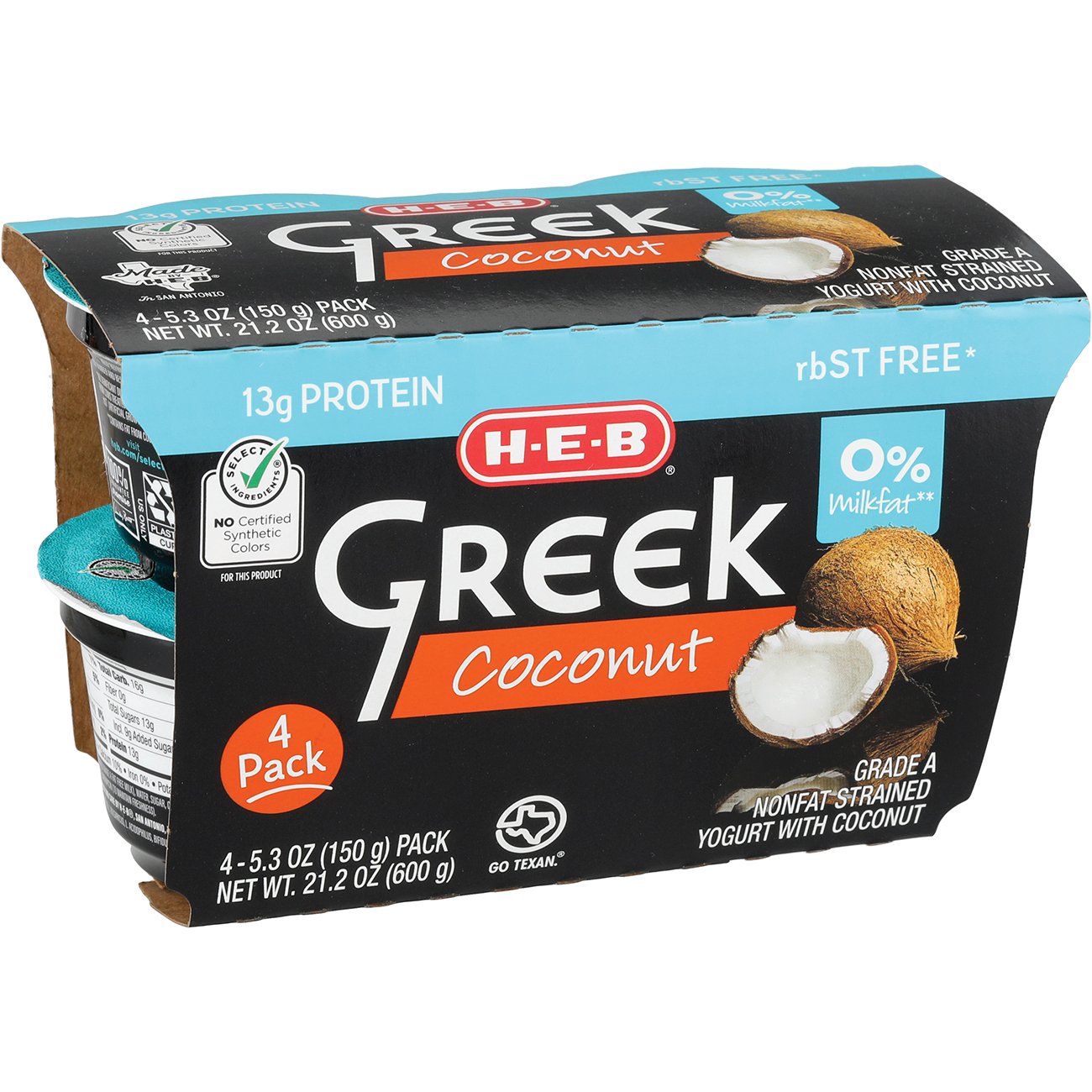


At a glance
Summary
This yogurt is ultra-processed, which limits its potential health benefits despite containing some beneficial ingredients like coconut milk, mango, and live cultures. The presence of refined cane sugar and natural flavors detracts from its overall nutritional profile, as these ingredients are associated with potential health concerns. While it includes some high-quality components, the level of processing and added sugars prevent it from being rated higher.
Key ingredients 15
Live and active culturesVery Good
Live and active cultures are beneficial probiotics that support gut health. They aid in digestion and can enhance the immune system. The presence of these cultures is a key indicator of a high-quality yogurt product.
Benefits
Supports gut health and digestion through beneficial probiotics.
Coconut milkGood
Coconut milk is a plant-based milk alternative rich in medium-chain triglycerides (MCTs). It provides a creamy texture and is often used in dairy-free products. MCTs are easily digestible and can provide a quick source of energy.
Risks
Some individuals may experience digestive discomfort if consumed in large quantities.
Benefits
Rich in MCTs which can support energy levels and may aid in weight management.
Coconut creamGood
Coconut cream is a thicker version of coconut milk, providing a rich source of healthy fats. It enhances the texture and flavor of the product. The fats in coconut cream are primarily MCTs, which are beneficial for energy metabolism.
Risks
High in calories and fats, which may not be suitable for all dietary needs.
Benefits
Provides a rich source of MCTs that can support energy and metabolic health.
MangoGood
Mango is a natural fruit ingredient providing sweetness and flavor. It is rich in vitamins, particularly vitamin C and A, and dietary fiber. The inclusion of mango adds natural sweetness and nutritional value.
Benefits
Rich in vitamins and fiber, contributing to overall nutritional value.
Vanilla beansGood
Vanilla beans provide natural flavor and aroma, enhancing the sensory profile of the product. They are a high-quality ingredient compared to artificial vanilla flavoring. The use of real vanilla beans indicates a commitment to quality.
Benefits
Adds natural flavor and aroma, enhancing product quality.
Vitamin B12Good
Vitamin B12 is an essential nutrient important for nerve function and the production of red blood cells. It is often added to fortified foods to prevent deficiencies, especially in plant-based diets. Adequate intake of B12 is crucial for overall health.
Benefits
Supports nerve function and red blood cell production.
WaterNeutral
Water is used as a base ingredient to adjust consistency and hydration. It is a neutral component with no direct nutritional impact. It helps in blending and homogenizing other ingredients.
See more about Water →Modified tapioca starchNeutral
Modified tapioca starch is used as a thickening agent to improve texture. It is derived from cassava root and is gluten-free. The modification process involves altering the starch to enhance its stability and performance in food products.
Benefits
Provides a gluten-free thickening option for improved texture.
SaltNeutral
Salt is used to enhance flavor and preserve the product. It is a common ingredient in many processed foods. While necessary for flavor, excessive consumption can lead to health issues such as hypertension.
Risks
Excessive intake can contribute to high blood pressure and cardiovascular issues.
Benefits
Enhances flavor and acts as a preservative.
StarchNeutral
Starch is used as a thickening agent to improve texture and consistency. It is a carbohydrate that provides structure to the product. While it serves a functional purpose, it does not contribute significant nutritional value.
Benefits
Improves texture and consistency without adding flavor.
Fruit juiceNeutral
Fruit juice is used for natural coloring and flavor enhancement. It provides a natural alternative to artificial colors. While it adds some flavor, the nutritional contribution is minimal due to the small quantity used.
Benefits
Provides natural color and flavor without artificial additives.
Locust bean gumNeutral
Locust bean gum is a natural thickener and stabilizer derived from carob seeds. It is used to improve texture and consistency in food products. As a natural additive, it is generally considered safe and effective.
Benefits
Enhances texture and stability without synthetic additives.
Lemon juice concentrateNeutral
Lemon juice concentrate is used for flavor enhancement and as a natural preservative. It provides acidity and a fresh taste to the product. The concentration process removes water, intensifying the flavor.
Benefits
Adds natural acidity and flavor, acting as a preservative.
Cane sugarBad
Cane sugar is a refined sugar used to sweeten the product. It is a source of empty calories and can contribute to weight gain and metabolic issues. Excessive consumption of refined sugars is linked to various health concerns.
Risks
High intake can lead to obesity, insulin resistance, and dental issues.
Benefits
Provides sweetness but lacks significant nutritional benefits.
Natural flavorsBad
Natural flavors are used to enhance taste but lack transparency in their composition. They can contain a variety of compounds, some of which may be heavily processed. The lack of specificity raises concerns about potential allergens and additives.
Risks
Potential allergens and unknown additives may pose health risks.
Benefits
Enhances flavor but lacks nutritional benefits.
Processing
Ultra-Processed Foods
Get the full breakdown in the Scout appTake Scout shopping
Scan any product to see lab results, healthy alternatives, and your personalized analysis.
Download on theApp Store GET IT ONGoogle Play