
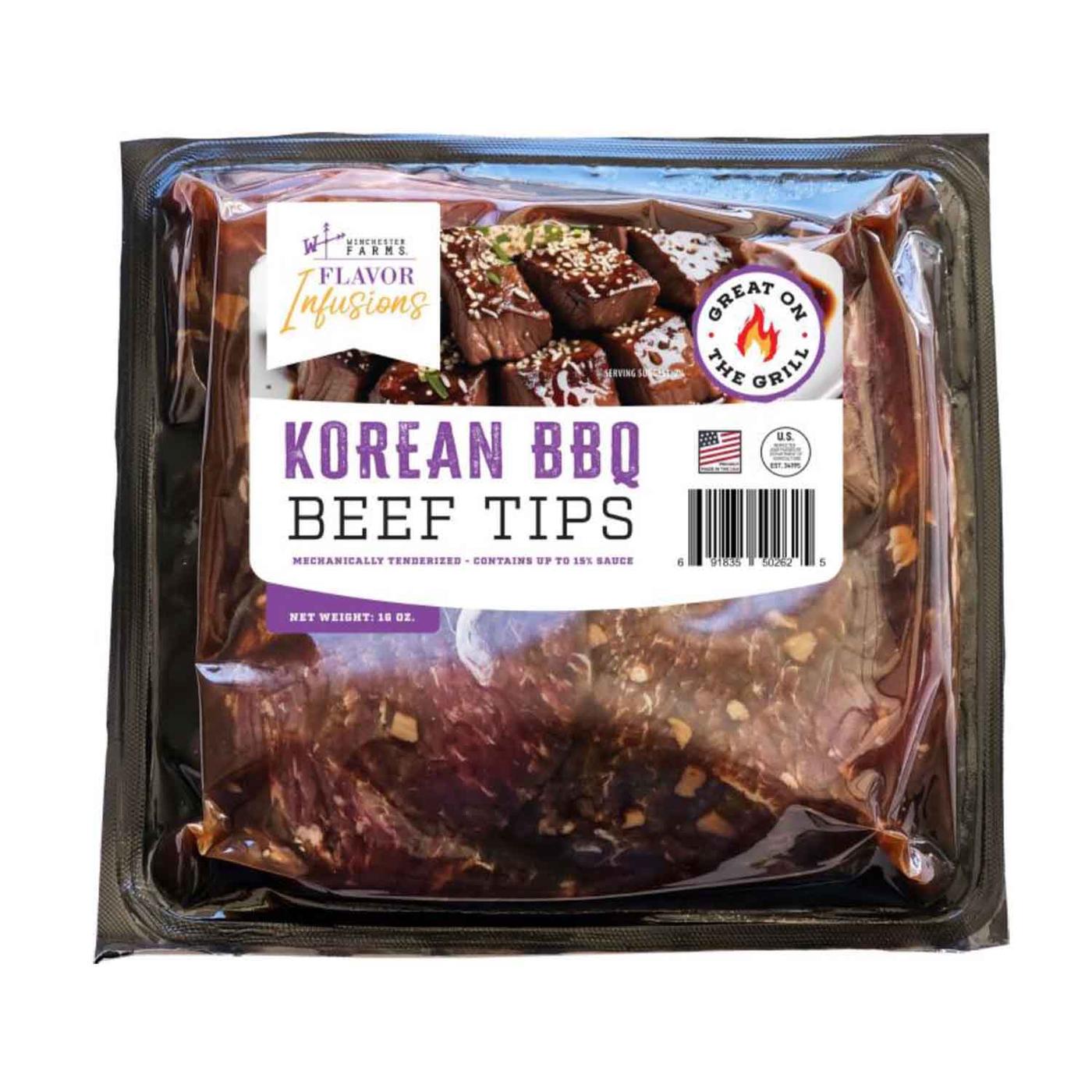


Korean Style Beef Sirloin Tips
Analysis updated June 2026 · How Scout scores
At a glance
Summary
This product contains beneficial ingredients like beef, applesauce, and onions, which provide protein, vitamins, and antioxidants. However, it also includes refined sugar, which contributes empty calories and is linked to metabolic disorders. The presence of processed sauces and vegetable oil indicates a moderate level of processing, which limits the score despite some healthy components.
Key ingredients 11
BeefGood
Beef is a high-quality source of protein and essential nutrients like iron and B vitamins. It provides a complete amino acid profile, supporting muscle growth and repair. Grass-fed beef would be preferable for higher omega-3 content.
Risks
Excessive consumption of red meat may be linked to increased risk of certain diseases.
Benefits
Rich in protein and essential nutrients, supporting muscle health and energy metabolism.
ApplesauceGood
Applesauce is made from cooked apples and provides natural sweetness and fiber. It can be a healthier alternative to refined sugars in recipes. It contains vitamins and antioxidants from apples.
Benefits
Offers natural sweetness and fiber, contributing to digestive health and providing antioxidants.
OnionGood
Onions are a natural source of vitamins, minerals, and antioxidants, contributing to overall health. They contain quercetin, which has anti-inflammatory properties. Onions add flavor and nutritional value to dishes.
Benefits
Rich in antioxidants and beneficial compounds that support immune function and reduce inflammation.
Green OnionsGood
Green onions, also known as scallions, are low in calories and rich in vitamins A and C. They provide a mild onion flavor and are a source of antioxidants. They enhance the nutritional profile of dishes with minimal calories.
Benefits
Contribute vitamins and antioxidants, supporting immune health and adding flavor.
Sesame SeedsGood
Sesame seeds are a good source of healthy fats, protein, and minerals like calcium and magnesium. They contain lignans and phytosterols, which may support heart health. They add texture and nutritional value to foods.
Risks
Allergic reactions can occur in individuals with sesame allergies.
Benefits
Rich in healthy fats and minerals, supporting bone health and providing antioxidant properties.
Korean Bbq SauceNeutral
Korean BBQ sauce typically contains a mix of soy sauce, sugar, and spices, adding flavor to dishes. The sauce may contain added sugars and sodium, which should be consumed in moderation. It enhances taste but does not provide significant nutritional benefits.
Risks
May contain high levels of sugar and sodium, which can contribute to health issues if consumed in excess.
Benefits
Adds flavor and culinary appeal to dishes, enhancing the eating experience.
Filtered WaterNeutral
Filtered water is used as a solvent and carrier in food products, ensuring consistency and texture. It is free from impurities and contaminants, making it safe for consumption. It does not contribute any calories or nutrients.
Benefits
Essential for hydration and maintaining bodily functions, though it does not provide additional nutrients in this context.
Gluten Free Tamari Soy SauceNeutral
Tamari soy sauce is a gluten-free alternative to traditional soy sauce, providing umami flavor. It is made from fermented soybeans and is typically lower in wheat content. It adds flavor but can be high in sodium.
Risks
High sodium content can contribute to hypertension if consumed in large amounts.
Benefits
Provides a gluten-free option for those with celiac disease or gluten sensitivity.
Bean SauceNeutral
Bean sauce is typically made from fermented beans, adding depth of flavor to dishes. It can be a source of protein and fiber, depending on the type of beans used. It enhances taste but may contain added sodium.
Risks
May contain high sodium levels, which can be a concern for those monitoring salt intake.
Benefits
Adds flavor and can provide some protein and fiber, depending on the formulation.
Vegetable OilNeutral
Vegetable oil is used for cooking and as a fat source in foods. It is typically refined and may contain a mix of oils like soybean or canola. It provides essential fatty acids but can be high in omega-6, which should be balanced with omega-3 intake.
Risks
High omega-6 content may promote inflammation when consumed in excess.
Benefits
Provides essential fatty acids necessary for various bodily functions.
SugarBad
Refined sugar is a source of empty calories, contributing to energy intake without providing essential nutrients. Excessive consumption is linked to obesity, diabetes, and other metabolic disorders. It is often used to enhance sweetness in processed foods.
Risks
High intake of refined sugar can lead to weight gain, insulin resistance, and increased risk of chronic diseases.
Processing
Processed Foods
Get the full breakdown in the Scout appTake Scout shopping
Scan any product to see lab results, healthy alternatives, and your personalized analysis.
Download on theApp Store GET IT ONGoogle Play