


At a glance
Summary
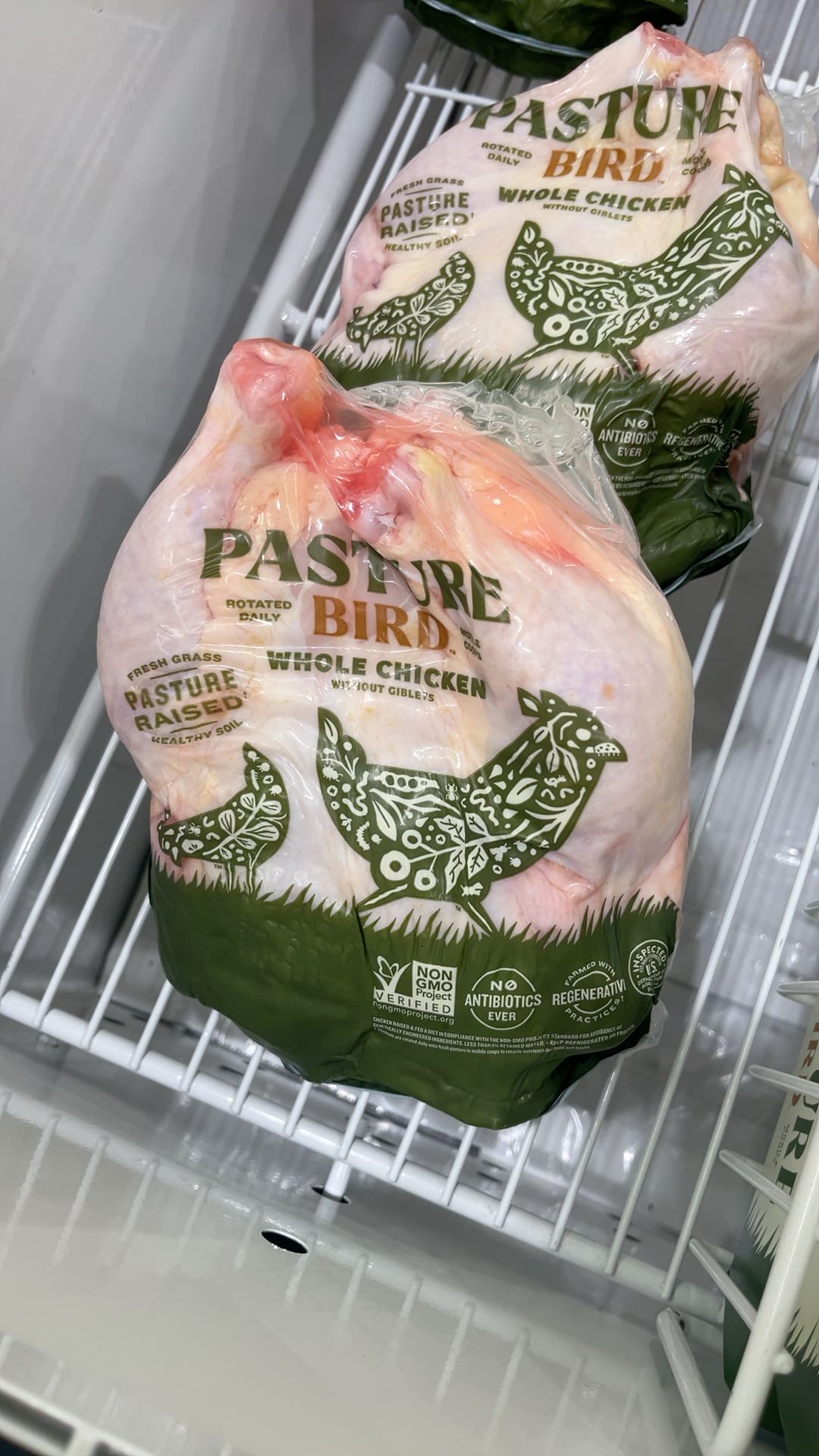
This product is minimally processed and consists of high-quality ingredients such as pasture-raised chicken, garlic, onion, and organic alfalfa. The use of non-GMO grains and the absence of harmful additives contribute to its excellent nutritional profile. The pasture-raised aspect enhances the nutrient density and fatty acid profile, making it a superior choice in the meat category.
Key ingredients 9
Chicken leg quartersVery Good
Chicken leg quarters are a high-quality source of protein and essential nutrients. Being pasture-raised, they are likely to have a better fatty acid profile and higher nutrient density. This ingredient supports muscle growth and maintenance.
Benefits
Rich in protein and essential nutrients, supporting muscle growth and overall health.
GarlicGood
Garlic is known for its potential health benefits, including antimicrobial and anti-inflammatory properties. It contains compounds like allicin that may support heart health. Garlic adds flavor and potential health benefits to the dish.
Risks
Excessive consumption may cause digestive discomfort in some individuals.
Benefits
May support heart health and has antimicrobial properties.
OnionGood
Onions are rich in antioxidants and have anti-inflammatory properties. They provide flavor and potential health benefits, such as supporting immune function. Onions are a staple in many dishes for their flavor and health benefits.
Benefits
Rich in antioxidants and may support immune function.
SpicesGood
Spices add flavor and can provide various health benefits depending on the specific spices used. They often contain antioxidants and anti-inflammatory compounds. Spices enhance the taste and nutritional profile of the dish.
Benefits
May provide antioxidants and enhance flavor.
Non-GMO grainGood
Non-GMO grains are a source of carbohydrates and fiber, supporting energy levels and digestive health. Being non-GMO indicates a lack of genetic modification, which some consumers prefer for health and environmental reasons. Grains provide essential nutrients and energy.
Benefits
Provides carbohydrates and fiber, supporting energy and digestion.
Organic alfalfaGood
Organic alfalfa is a nutritious forage crop that supports animal health and contributes to a better nutrient profile in animal products. Being organic, it is free from synthetic pesticides and fertilizers. Alfalfa enhances the nutritional quality of pasture-raised products.
Benefits
Supports animal health and contributes to a better nutrient profile.
BugsNeutral
Bugs can be a sustainable source of protein and nutrients. They are increasingly recognized for their environmental benefits compared to traditional livestock. The use of bugs is innovative but may not be widely accepted.
Risks
Potential allergen for some individuals and may not be culturally accepted.
Benefits
Sustainable source of protein and nutrients.
WheatNeutral
Wheat is a common grain that provides carbohydrates and some protein. It is a staple in many diets but may cause issues for those with gluten intolerance. Wheat is a basic source of energy and nutrients.
Risks
May cause issues for individuals with gluten intolerance or celiac disease.
Benefits
Provides carbohydrates and some protein.
LimestoneNeutral
Limestone is often used as a calcium supplement in animal feed, supporting bone health. It is a natural source of calcium, essential for strong bones and teeth. Limestone contributes to the mineral balance in animal diets.
Benefits
Provides calcium, supporting bone health.
Processing
Unprocessed or Minimally Processed Foods
Get the full breakdown in the Scout appTake Scout shopping
Scan any product to see lab results, healthy alternatives, and your personalized analysis.
Download on theApp Store GET IT ONGoogle Play