

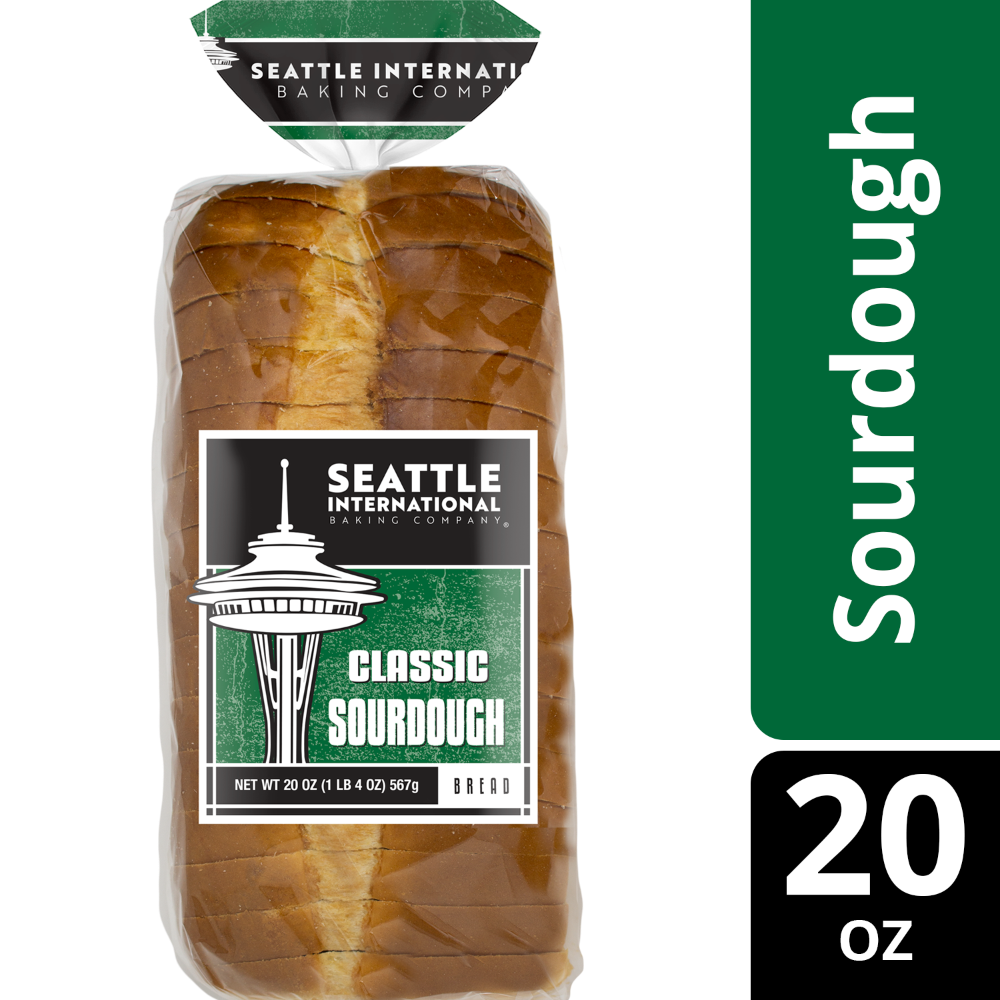
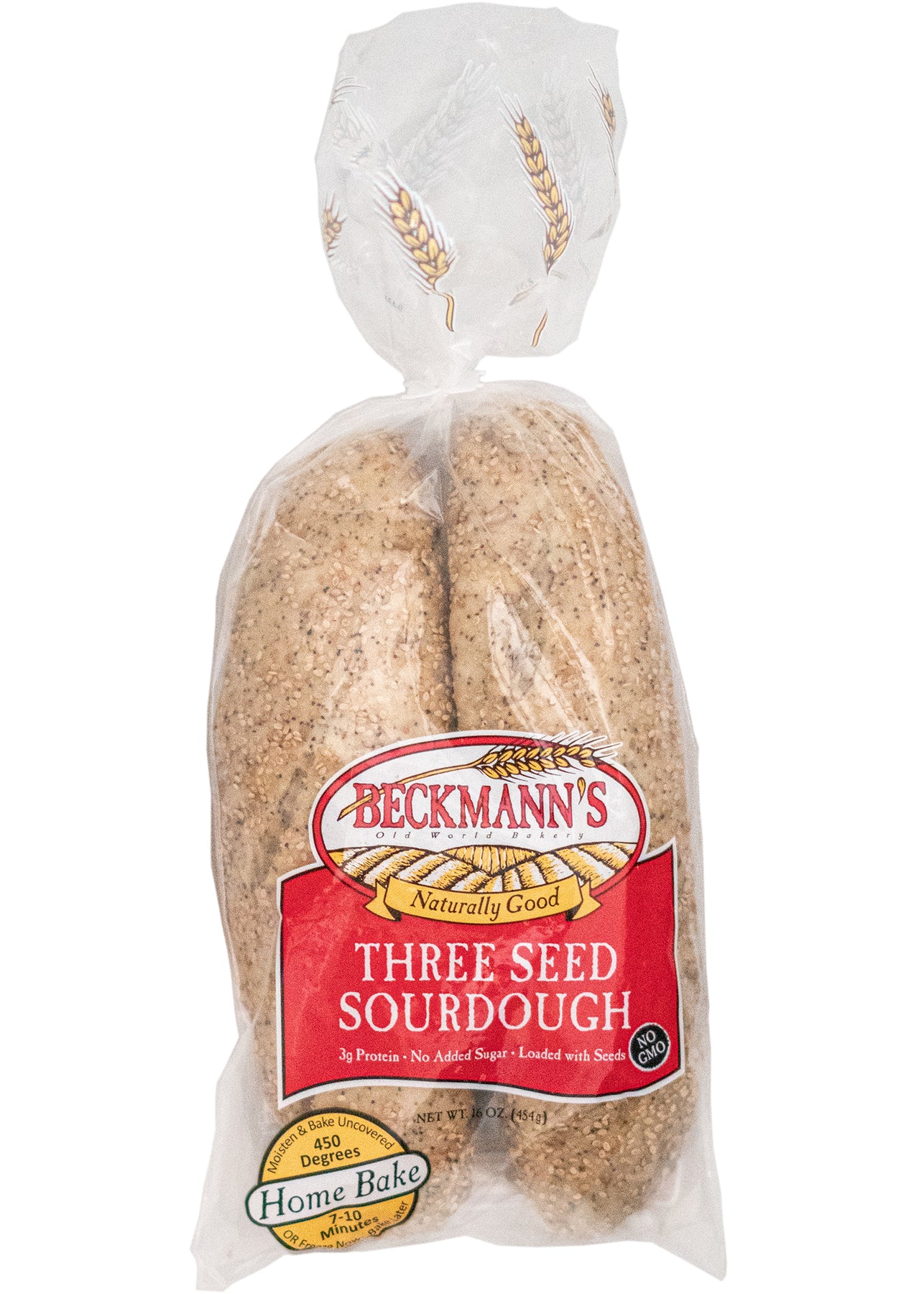


Simply Sourdough Buns
Summary
Simply Sourdough Buns contain a relatively clean ingredient list with basic components like flour, water, and yeast. However, the presence of canola oil, a seed oil known for its high omega-6 fatty acid content and potential inflammatory effects, impacts the score negatively. The product is moderately processed, which further limits its rating despite the absence of artificial additives or excessive sugars.
At a glance
Key ingredients 10
FlourNeutral
Flour is a staple ingredient in bread, providing structure and texture. It is typically refined, which removes some nutrients and fiber. Whole grain alternatives offer more nutritional benefits.
Risks
Refined flour can contribute to blood sugar spikes and lacks fiber.
Benefits
Provides carbohydrates for energy, though whole grain options are more nutritious.
WaterNeutral
Water is essential for hydration and acts as a solvent in dough preparation. It helps in activating yeast and forming gluten. It is a neutral ingredient with no direct nutritional impact.
Benefits
Essential for hydration and necessary for dough formation.
YeastNeutral
Yeast is a microorganism used to ferment dough, causing it to rise. It contributes to the bread's texture and flavor. Yeast is generally considered safe and beneficial for fermentation.
Benefits
Facilitates dough rising and enhances flavor through fermentation.
Wheat glutenNeutral
Wheat gluten is added to improve dough elasticity and bread texture. It is a concentrated protein from wheat. While beneficial for bread quality, it may cause issues for those with gluten sensitivity.
Risks
May cause digestive issues for individuals with gluten intolerance or celiac disease.
Benefits
Enhances dough elasticity and improves bread texture.
SugarsNeutral
Sugars are used to feed yeast and enhance flavor in bread. They contribute to browning during baking. Excessive consumption can lead to health issues, but in small amounts, they are functional in baking.
Risks
Excessive sugar intake can lead to health issues like obesity and diabetes.
Benefits
Provides energy and aids in yeast fermentation and browning.
Canola oilVery Bad
Canola oil is a seed oil high in omega-6 fatty acids, which can promote inflammation. It is often highly processed and refined. Alternatives like olive oil offer healthier fat profiles.
Risks
High omega-6 content may promote inflammation when consumed in excess.
Sea saltGood
Unrefined sea salt — a minimally processed, natural source of sodium and essential trace minerals, and a legitimate whole-food seasoning. Treated as a positive ingredient.
Risks
Excessive sodium intake can lead to hypertension and cardiovascular issues.
Benefits
Enhances flavor and contains trace minerals.
Wheat starchNeutral
Wheat starch is used to improve texture and moisture retention in bread. It is a carbohydrate extracted from wheat. It provides no significant nutritional benefits but aids in product quality.
Benefits
Improves texture and moisture retention in baked goods.
Cultured wheat starchNeutral
Cultured wheat starch is used as a natural preservative to extend shelf life. It is fermented to inhibit spoilage. It is generally considered safe and effective for preservation.
Benefits
Acts as a natural preservative, extending shelf life.
Cultured wheatNeutral
Cultured wheat is used to naturally preserve bread by inhibiting mold growth. It is created through fermentation, adding mild flavor and extending shelf life. It is a natural alternative to chemical preservatives.
Benefits
Naturally extends shelf life and inhibits mold growth.
Processing
Processed Foods
Get the full breakdown in the Scout app
Scan any product to see lab results, healthy alternatives, and your personalized analysis.
Download on theApp Store