

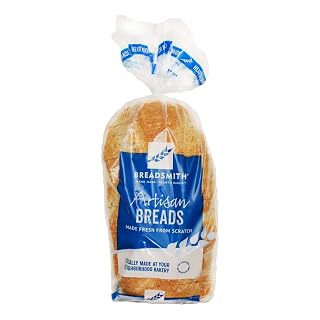


Tom Thumb Soft French Demi Loaf 2 Count
Analysis updated August 2026 · How Scout scores
At a glance
Summary
This bread is made with enriched unbleached wheat flour and contains a simple ingredient list without harmful additives like high-fructose corn syrup or artificial preservatives. However, it is a processed food, which limits its score potential. The presence of enriched flour, while not as detrimental as refined flour, still indicates a level of processing that affects its overall healthiness.
Key ingredients 7
Enriched Unbleached Wheat FlourNeutral
Enriched unbleached wheat flour is a common base for bread products, providing structure and texture. It is enriched with vitamins and minerals to replace those lost during processing. However, it lacks the fiber and nutrients found in whole grain flours.
Risks
May contribute to blood sugar spikes due to its refined nature and lack of fiber.
Benefits
Provides essential vitamins and minerals due to enrichment, supporting basic nutritional needs.
WaterNeutral
Water is a fundamental ingredient in bread making, hydrating the flour and activating yeast. It is essential for dough formation and texture. Water itself does not provide nutritional benefits but is crucial for the baking process.
See more about Water →Sour CultureNeutral
Sour culture is used in bread to develop flavor and improve texture through fermentation. It can enhance the digestibility of the bread. However, it does not significantly alter the nutritional profile of the bread.
Benefits
May improve the digestibility of the bread and contribute to a more complex flavor profile.
SaltNeutral
Salt is used in bread to enhance flavor and control yeast activity. It is a necessary component for proper dough development. Excessive consumption of salt can lead to health issues, but in moderate amounts, it is essential for flavor.
Risks
Excessive salt intake can contribute to high blood pressure and cardiovascular issues.
Benefits
Enhances flavor and helps control yeast activity in bread making.
SemolinaNeutral
Semolina is a type of flour made from durum wheat, often used for its texture and flavor in bread. It adds a slightly nutty taste and a firmer texture. While it provides some protein, it is not as nutrient-dense as whole grain flours.
Benefits
Adds texture and flavor to bread, contributing to a more satisfying eating experience.
YeastNeutral
Yeast is a leavening agent that helps bread rise by producing carbon dioxide during fermentation. It is essential for the texture and volume of bread. Yeast itself does not provide significant nutritional benefits.
Benefits
Essential for leavening and contributes to the texture and volume of bread.
EnzymesNeutral
Enzymes are used in bread making to improve dough handling and extend shelf life. They help break down starches and proteins, enhancing the texture and flavor. Enzymes are naturally occurring and generally considered safe.
Benefits
Improve dough handling and enhance the texture and flavor of bread.
Processing
Processed Foods
Get the full breakdown in the Scout appTake Scout shopping
Scan any product to see lab results, healthy alternatives, and your personalized analysis.
Download on theApp Store GET IT ONGoogle Play