


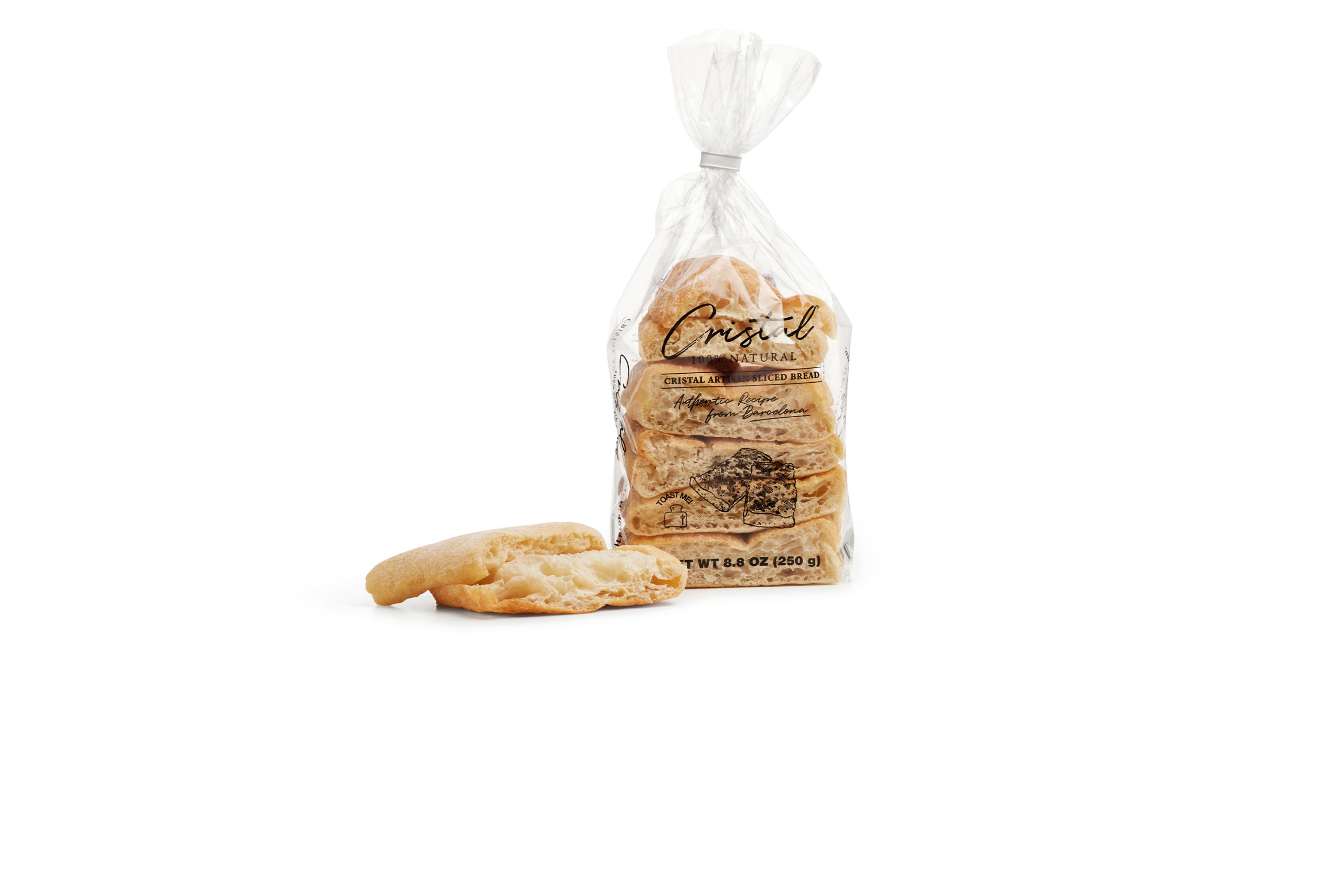


At a glance
Summary
This artisan bread contains beneficial ingredients like whole wheat flour, levain, walnuts, and rye flour, which enhance its nutritional profile and flavor. However, the presence of added sugar and its processed nature limit its score. Despite these factors, the bread avoids major harmful ingredients, making it a relatively healthy choice within its category.
Key ingredients 12
WalnutsVery Good
Walnuts are a nutrient-dense nut rich in healthy fats, protein, and antioxidants. They provide omega-3 fatty acids, which support heart health. Their inclusion adds nutritional value and a pleasant texture to the bread.
Risks
Potential allergen for individuals with nut allergies.
Benefits
Rich in omega-3 fatty acids and antioxidants, supporting heart health and reducing inflammation.
Whole Wheat FlourGood
Whole wheat flour is a whole grain flour that retains the bran and germ, providing more fiber and nutrients than refined flours. It supports digestive health and provides a more complex flavor. Its inclusion enhances the nutritional profile of the bread.
Benefits
Rich in fiber, vitamins, and minerals, supporting heart health and digestion.
LevainGood
Levain is a natural sourdough starter that enhances flavor and texture. It is made from fermented flour and water, contributing beneficial bacteria and yeast. This traditional ingredient improves digestibility and adds nutritional value.
Benefits
Contains beneficial bacteria that may aid digestion and improve gut health.
WaterNeutral
Water is a fundamental ingredient in bread, providing moisture and aiding in the mixing process. It is essential for activating yeast and developing gluten. Water itself does not provide nutritional benefits but is crucial for the bread-making process.
See more about Water →SaltNeutral
Salt is used in bread to enhance flavor and control yeast activity. It is a common culinary ingredient but does not provide additional nutritional benefits. Excessive consumption can lead to health issues such as hypertension.
Risks
High sodium intake can contribute to elevated blood pressure and cardiovascular issues.
MaltNeutral
Malt is used in bread to enhance flavor and improve crust color. It is derived from grains and contains some sugars. While it adds sweetness and flavor complexity, it does not significantly impact the nutritional profile.
Risks
Contains sugars that may contribute to calorie intake.
Benefits
Adds flavor and aids in browning, enhancing the sensory qualities of the bread.
Lactic AcidNeutral
Lactic acid is a naturally occurring acid used to enhance flavor and preserve freshness. It is produced through fermentation and is generally recognized as safe. It does not provide significant nutritional benefits.
Benefits
Helps preserve freshness and adds a tangy flavor to the bread.
Cultured Wheat StarchNeutral
Cultured wheat starch is used as a natural preservative to extend shelf life. It is derived from wheat and undergoes fermentation. While it helps maintain product quality, it does not offer nutritional benefits.
Benefits
Acts as a natural preservative, extending the shelf life of the bread.
Rye FlourNeutral
Standard formulation ingredient — neither beneficial nor harmful at typical use.
Benefits
Provides fiber and essential nutrients, supporting digestive health and adding flavor.
YeastNeutral
Yeast is a microorganism used to leaven bread, creating a light and airy texture. It is essential for fermentation and flavor development. While it plays a crucial role in bread-making, it does not provide significant nutritional benefits.
Benefits
Contributes to the leavening process, improving texture and flavor.
Unbleached Enriched Wheat FlourBad
Processed additive flagged under Scout's ingredient doctrine.
Risks
May contribute to blood sugar spikes due to its refined nature and lack of fiber.
Benefits
Fortification adds essential nutrients like iron and B vitamins, which can help prevent deficiencies.
SugarBad
Sugar is added to enhance flavor and aid in yeast fermentation. It is a refined carbohydrate that can contribute to calorie intake without providing essential nutrients. Excessive consumption is linked to various health issues.
Risks
High sugar intake is associated with increased risk of obesity, diabetes, and dental issues.
Processing
Processed Foods
Get the full breakdown in the Scout appTake Scout shopping
Scan any product to see lab results, healthy alternatives, and your personalized analysis.
Download on theApp Store GET IT ONGoogle Play