

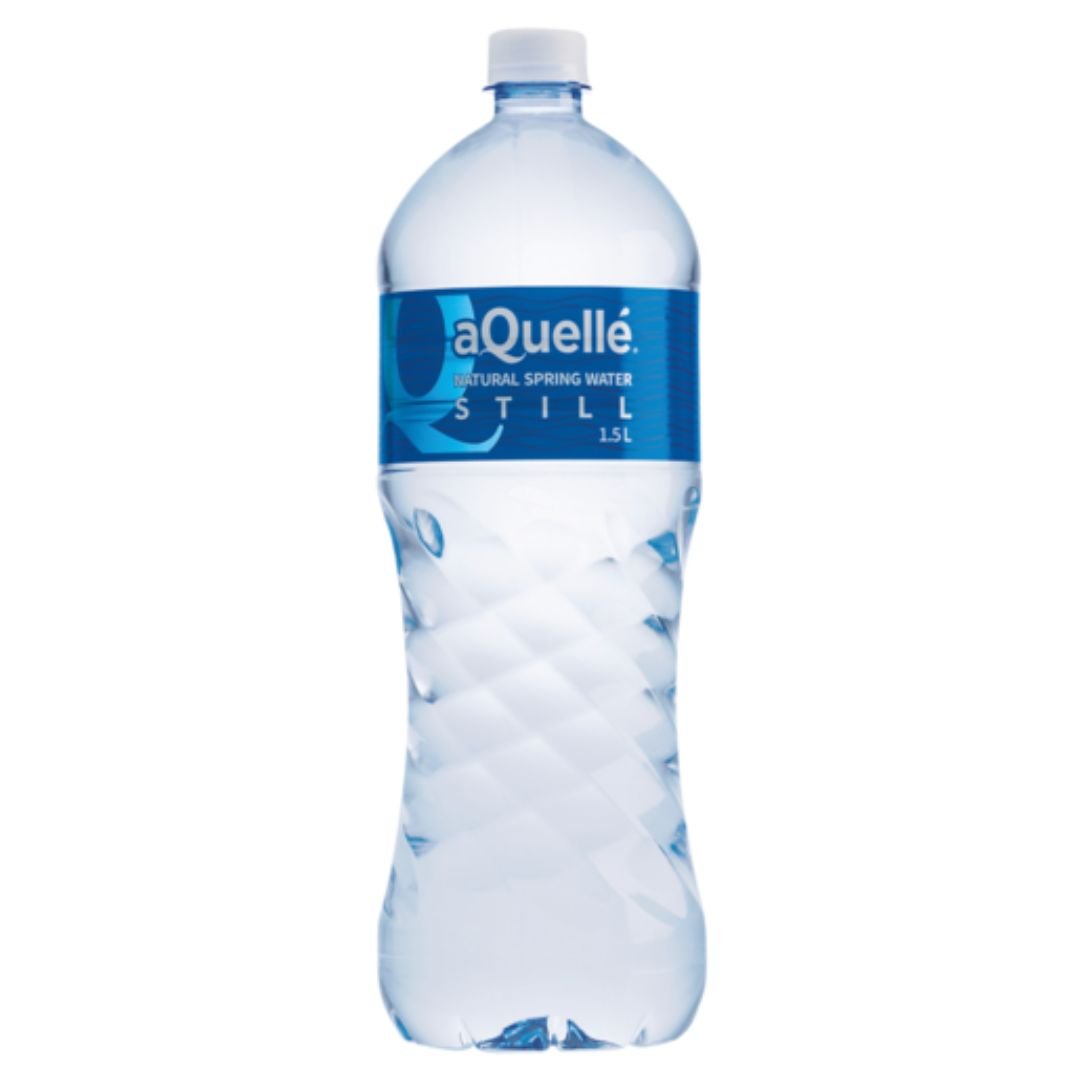


Volvic Volvic - Sports Cap 1ltr X 12
Summary
This product is a minimally processed natural mineral water with a clean mineral profile, including beneficial elements like calcium, magnesium, and bicarbonates. It lacks harmful additives or contaminants, making it a healthy hydration choice. The processing level is minimal, ensuring the purity and quality of the water are maintained.
At a glance
Key ingredients 11
CalciumNeutral
Calcium is a mineral essential for bone health and various metabolic functions. In water, it contributes to the mineral content but does not provide significant health benefits in small amounts. The presence of calcium in water is generally neutral unless consumed in excessive amounts.
Benefits
Calcium supports bone health and metabolic functions, but the amount in water is typically not significant.
SulphatesNeutral
Sulphates are naturally occurring minerals that can contribute to the taste of water. They are generally considered neutral in terms of health impact when present in moderate amounts. Excessive sulphate intake can lead to digestive issues, but this is uncommon in typical water consumption.
Risks
High levels of sulphates can cause digestive discomfort, but this is unlikely at typical concentrations in water.
Benefits
Sulphates can enhance the taste of water but do not provide significant health benefits.
MagnesiumNeutral
Magnesium is an essential mineral important for muscle and nerve function. In water, it contributes to the mineral profile but does not significantly impact health at low concentrations. It is generally neutral unless consumed in large quantities.
Benefits
Magnesium supports muscle and nerve function, but the amount in water is typically not significant.
SodiumNeutral
Sodium is an essential electrolyte that helps regulate fluid balance in the body. In water, it is present in small amounts and is generally neutral unless consumed in excess. High sodium intake can lead to hypertension, but water is not a significant source.
Risks
Excessive sodium intake can contribute to hypertension, but typical water consumption does not pose this risk.
Benefits
Sodium helps maintain fluid balance, but the amount in water is typically not significant.
BicarbonatesNeutral
Bicarbonates help maintain the pH balance in the body and can contribute to the taste of water. They are generally neutral in terms of health impact when present in moderate amounts. Bicarbonates in water do not pose significant health risks.
Benefits
Bicarbonates help maintain pH balance but do not provide significant health benefits in water.
PotassiumNeutral
Potassium is an essential mineral that supports heart and muscle function. In water, it is present in small amounts and is generally neutral unless consumed in excess. Potassium in water does not significantly impact health.
Benefits
Potassium supports heart and muscle function, but the amount in water is typically not significant.
SilicaNeutral
Silica is a naturally occurring mineral that can contribute to the taste and clarity of water. It is generally considered neutral in terms of health impact. Silica in water does not pose significant health risks or benefits.
Benefits
Silica contributes to the taste and clarity of water but does not provide significant health benefits.
ChloridesNeutral
Chlorides are essential electrolytes that help maintain fluid balance in the body. In water, they are present in small amounts and are generally neutral unless consumed in excess. Chlorides in water do not significantly impact health.
Benefits
Chlorides help maintain fluid balance, but the amount in water is typically not significant.
NitratesNeutral
Nitrates are naturally occurring compounds that can be present in water. They are generally neutral in terms of health impact at low concentrations. High nitrate levels can be harmful, but typical water concentrations are safe.
Risks
High nitrate levels can be harmful, but typical concentrations in water are safe.
Benefits
Nitrates in water do not provide significant health benefits.
Dry Residue 180°CNeutral
Dry residue indicates the total dissolved solids in water, contributing to its mineral content. It is generally neutral in terms of health impact. The dry residue level in water does not pose significant health risks.
Benefits
Dry residue contributes to the mineral content of water but does not provide significant health benefits.
PhNeutral
The pH level of water indicates its acidity or alkalinity, which can affect taste and mineral solubility. A pH of 7 is neutral and generally considered ideal for drinking water. The pH level itself does not pose health risks unless it is extremely high or low.
Benefits
A neutral pH is ideal for drinking water but does not provide significant health benefits.
Processing
Unprocessed or Minimally Processed Foods
Get the full breakdown in the Scout app
Scan any product to see lab results, healthy alternatives, and your personalized analysis.
Download on theApp Store