
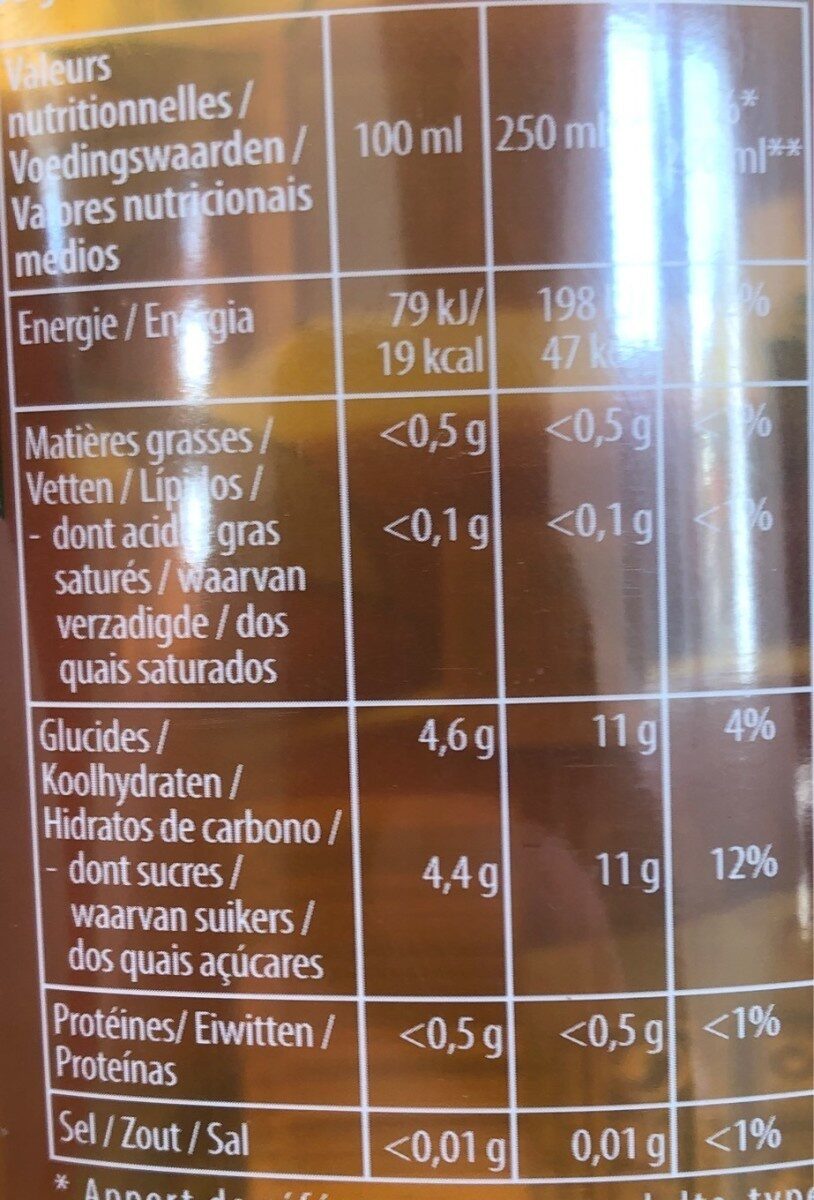

Pure Leaf Thé infusé glacé bio saveur pêche de Méditerranée 1 L
Analysis updated May 2026 · How Scout scores
At a glance
Summary
This iced tea is ultra-processed, which limits its potential health benefits despite having organic ingredients. The presence of added sugar contributes to empty calories and potential health risks, while the use of additives like citric acid and ascorbic acid further indicates a higher level of processing. The organic black tea infusion is a positive aspect, but it does not fully offset the concerns related to sugar content and processing level.
Key ingredients 7
Black Tea InfusionVery Good
Black tea infusion is rich in antioxidants, which can help reduce oxidative stress and support overall health. The organic certification indicates a higher quality product with fewer pesticides. It provides a natural source of caffeine, which can enhance alertness and focus.
Benefits
Contains antioxidants that may reduce the risk of chronic diseases and improve heart health.
Ascorbic AcidGood
Vitamin C — beneficial even when serving as a preservative.
Benefits
Acts as an antioxidant to preserve the product and may provide minimal vitamin C.
Natural Peach FlavorNeutral
Natural peach flavor is used to enhance the taste of the beverage without adding calories. It is derived from natural sources, which is preferable to artificial flavors. However, it does not provide any nutritional benefits.
Peach Juice From ConcentrateNeutral
Peach juice from concentrate adds a natural fruit flavor to the beverage. The low concentration means it contributes minimally to the nutritional profile. It is a natural source of sugars and some vitamins, but in negligible amounts.
Benefits
Provides a natural fruit flavor with minimal nutritional contribution.
Citric AcidNeutral
Citric acid is used as an acidulant to enhance flavor and preserve the product. It is naturally found in citrus fruits and is generally recognized as safe. It can help maintain the stability and shelf life of the beverage.
Risks
Excessive consumption may cause dental erosion, but this is unlikely in typical beverage amounts.
Benefits
Helps preserve the product and enhance flavor without significant health impacts.
PectinNeutral
Pectin is a natural stabilizer derived from fruits, used to improve texture and consistency. It is a soluble fiber that can aid in digestion. In beverages, it helps maintain uniformity and prevent separation.
Benefits
May aid digestion due to its soluble fiber content, though in minimal amounts.
SugarBad
Sugar is a source of empty calories and can contribute to weight gain and metabolic issues when consumed in excess. The organic label suggests a cleaner production process, but it does not mitigate the health impacts of high sugar intake. Excessive sugar consumption is linked to increased risk of type 2 diabetes and heart disease.
Risks
High sugar intake can lead to obesity, insulin resistance, and increased risk of chronic diseases.
Processing
Ultra-Processed Foods
Get the full breakdown in the Scout appTake Scout shopping
Scan any product to see lab results, healthy alternatives, and your personalized analysis.
Download on theApp Store GET IT ONGoogle Play