


At a glance
Summary
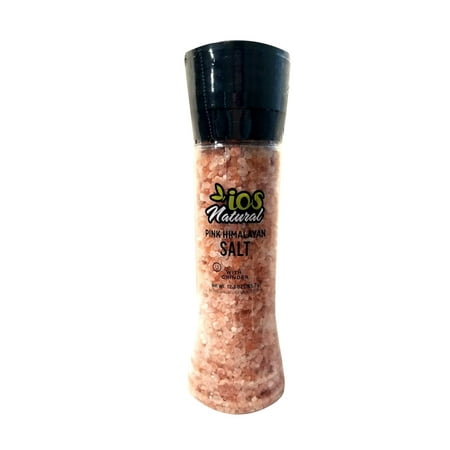
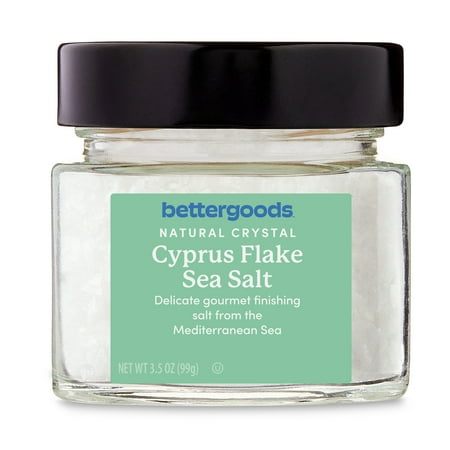
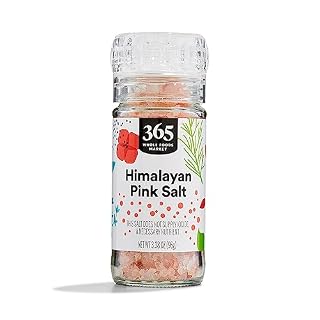
This product primarily consists of sea salt, which is a minimally processed ingredient that retains natural minerals, offering some nutritional benefits over refined salt. However, the inclusion of sodium ferrocyanide as an anti-caking agent introduces a synthetic additive, which slightly detracts from the overall purity and quality of the product. Despite this, the processing level remains relatively low, maintaining a favorable score.
Key ingredients 3
Sea saltGood
Sea salt is a natural mineral that enhances flavor and provides essential trace elements, making it a beneficial ingredient in cooking.
See more about Sea salt →Sodium iodideNeutral
Sodium iodide is used to add iodine, which supports thyroid health, but in small amounts, it is considered neutral in overall impact.
Anti-caking agent: E 535Neutral
E 535 is an anti-caking agent that prevents clumping in salt, generally recognized as safe when used within regulated limits.
Processing
Processed Culinary Ingredients
Get the full breakdown in the Scout appTake Scout shopping
Scan any product to see lab results, healthy alternatives, and your personalized analysis.
Download on theApp Store GET IT ONGoogle Play