
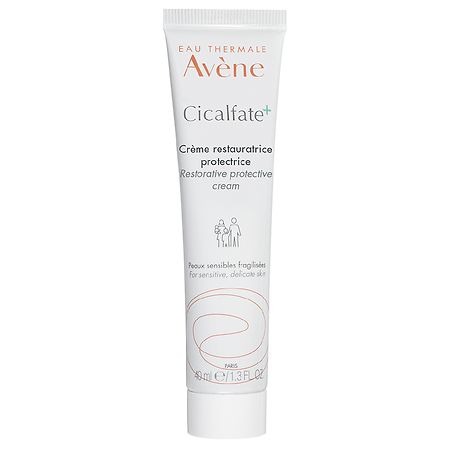
Avene Cicalfate + Restorative Protective Skin Barrier Face Cream for Sensitive Skin - 1.3 fl oz
Analysis updated August 2026 · How Scout scores
At a glance
Summary
This face cream contains beneficial ingredients like Avène Thermal Spring Water, glycerin, and zinc oxide, which are known for their soothing and moisturizing properties. However, the presence of mineral oil and PEG compounds introduces concerns about potential contamination and skin barrier disruption. The product's formulation is a mix of natural and synthetic components, leading to a moderate processing level.
Key ingredients 17
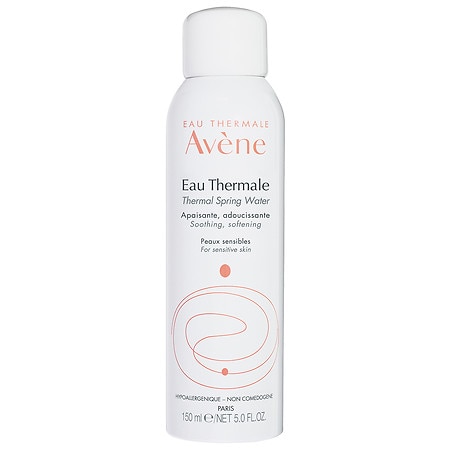
Avène Thermal Spring WaterVery Good
Avène Thermal Spring Water is known for its soothing and anti-irritating properties, making it ideal for sensitive skin. It helps to calm and soften the skin, reducing redness and irritation.
Risks
There are no significant risks associated with Avène Thermal Spring Water.
Benefits
It provides hydration and soothes sensitive skin, making it a beneficial ingredient in skincare.
BeeswaxVery Good
Beeswax is a natural wax that provides a protective barrier on the skin, helping to lock in moisture. It is also known for its soothing and anti-inflammatory properties.
Risks
There are minimal risks, though it may cause allergic reactions in individuals sensitive to bee products.
Benefits
It provides hydration and protection, making it a beneficial ingredient in skincare.
Caprylic/Capric TriglycerideGood
Caprylic/Capric Triglyceride is a stable, non-greasy emollient derived from coconut oil and glycerin. It helps to moisturize and replenish the skin's barrier.
Risks
There are minimal risks, though it may cause mild irritation in very sensitive individuals.
Benefits
It enhances the skin's hydration and smoothness, making it a valuable ingredient in moisturizing products.
GlycerinGood
Glycerin is a humectant that attracts moisture to the skin, helping to maintain hydration levels. It is widely used in skincare for its moisturizing properties.
Risks
There are no significant risks associated with glycerin.
Benefits
It improves skin hydration and smoothness, making it beneficial for dry and sensitive skin.
Zinc OxideGood
Zinc Oxide is a mineral sunscreen agent that provides broad-spectrum UV protection. It is also known for its soothing and anti-inflammatory properties.
Risks
There are minimal risks, though it may leave a white cast on the skin.
Benefits
It protects the skin from UV damage and soothes irritation, making it a beneficial ingredient in skincare.
Hydrogenated Vegetable OilNeutral
Hydrogenated Vegetable Oil is used as an emollient and thickening agent in cosmetics. It helps to improve the texture and consistency of products.
Risks
It may cause mild irritation in sensitive individuals.
Benefits
It provides a smooth texture and helps to lock in moisture on the skin.
Polyglyceryl-2 SesquiisostearateNeutral
Polyglyceryl-2 Sesquiisostearate is an emulsifier that helps to blend oil and water-based ingredients. It is considered safe for use in cosmetics.
Risks
There are no significant risks associated with this ingredient.
Benefits
It stabilizes formulations and improves the texture of cosmetic products.
PEG-22/Dodecyl Glycol CopolymerNeutral
PEG-22/Dodecyl Glycol Copolymer is used as an emulsifier and surfactant in cosmetics. It helps to improve the texture and spreadability of products.
Risks
There is a potential risk of contamination with 1,4-dioxane, a byproduct of ethoxylation.
Benefits
It enhances the texture and application of cosmetic formulations.
Aluminum Sucrose OctasulfateNeutral
Aluminum Sucrose Octasulfate is used for its protective and soothing properties in skincare. It helps to support the skin's barrier function.
Risks
There are no significant risks associated with this ingredient.
Benefits
It aids in skin repair and protection, making it beneficial for sensitive skin.
Aluminum StearateNeutral
Aluminum Stearate is used as a thickening agent and stabilizer in cosmetics. It helps to improve the consistency of products.
Risks
There are no significant risks associated with this ingredient.
Benefits
It enhances the texture and stability of cosmetic formulations.
Magnesium StearateNeutral
Magnesium Stearate is used as a lubricant and thickening agent in cosmetics. It helps to improve the texture and application of products.
Risks
There are no significant risks associated with this ingredient.
Benefits
It enhances the texture and spreadability of cosmetic formulations.
Magnesium SulfateNeutral
Magnesium Sulfate is used as a bulking agent and to improve the texture of cosmetics. It is considered safe for use in skincare products.
Risks
There are no significant risks associated with this ingredient.
Benefits
It helps to improve the texture and consistency of cosmetic formulations.
Microcrystalline WaxNeutral
Microcrystalline Wax is used as a thickening agent and to improve the texture of cosmetics. It helps to provide structure and stability to formulations.
Risks
There are no significant risks associated with this ingredient.
Benefits
It enhances the texture and stability of cosmetic products.
Zinc SulfateNeutral
Zinc Sulfate is used for its astringent and antimicrobial properties in skincare. It helps to soothe and protect the skin.
Risks
There are no significant risks associated with this ingredient.
Benefits
It provides soothing and protective benefits, making it useful in skincare formulations.
Mineral OilBad
Processed additive flagged under Scout's ingredient doctrine.
Risks
It may cause breakouts in acne-prone skin due to its occlusive nature.
Benefits
It effectively locks in moisture, providing hydration and protection for dry skin.
Propylene GlycolBad
Processed additive flagged under Scout's ingredient doctrine.
Risks
It may cause irritation in sensitive skin or those with allergies.
Benefits
It enhances skin hydration and improves the texture of cosmetic formulations.
Copper SulfateBad
Processed additive flagged under Scout's ingredient doctrine.
Risks
There are minimal risks, though it may cause irritation in sensitive skin.
Benefits
It helps to maintain the product's integrity by preventing microbial contamination.
Get the full breakdown in the Scout appTake Scout shopping
Scan any product to see lab results, healthy alternatives, and your personalized analysis.
Download on theApp Store GET IT ONGoogle PlayAmazon pricing & content
Amazon price as of . Product prices and availability are accurate as of the date/time indicated and are subject to change. Any price and availability information displayed on Amazon.com at the time of purchase will apply to the purchase of this product.
CERTAIN CONTENT THAT APPEARS ON THIS SITE COMES FROM AMAZON. THIS CONTENT IS PROVIDED “AS IS” AND IS SUBJECT TO CHANGE OR REMOVAL AT ANY TIME.