
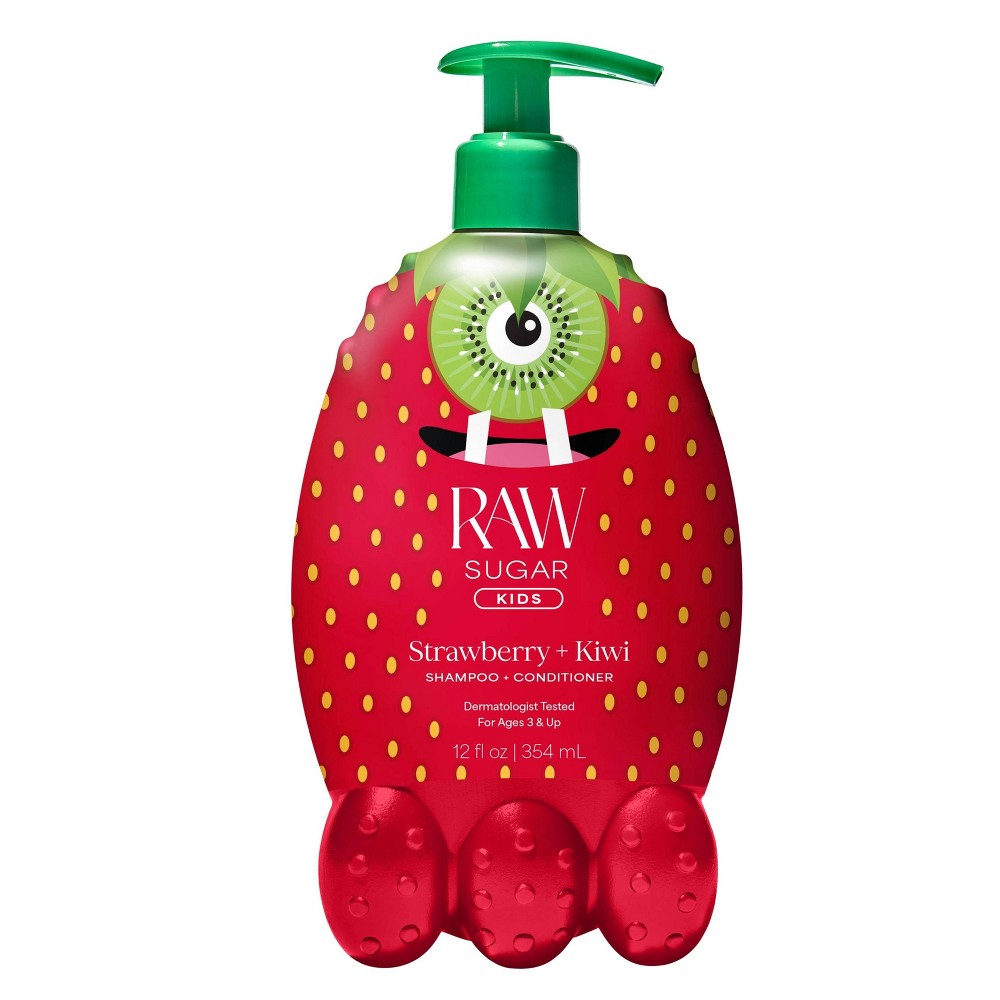
Raw Sugar Kids' Gentle 2-in-1 Shampoo + Conditioner - Strawberry Kiwi - 12 fl oz: For All Hair Types, Daily Use, Vegan
Analysis updated August 2026 · How Scout scores
At a glance
Summary
This product contains beneficial natural ingredients like kiwi and strawberry fruit extracts, olive and jojoba oils, and vitamin E, which provide nourishment and hydration. However, it also includes phenoxyethanol and fragrance, which are associated with potential skin irritation and allergic reactions. The presence of these synthetic additives and the overall processing level limit its score.
Key ingredients 18
Olea Europaea (Olive) Fruit OilVery Good
Olive oil is a natural emollient that is rich in fatty acids and antioxidants. It helps to moisturize and nourish the skin and hair, improving softness and elasticity.
Risks
Generally safe, but may cause breakouts in acne-prone skin when used in excess.
Benefits
Deeply moisturizes and nourishes the skin and hair, enhancing softness and elasticity.
Simmondsia Chinensis (Jojoba) Seed OilVery Good
Jojoba oil is a natural oil that closely resembles the skin's natural sebum. It is highly moisturizing and helps to balance oil production in the skin and hair.
Risks
Minimal risk of irritation or allergic reaction.
Benefits
Balances oil production and provides deep hydration to the skin and hair.
Tocopherol (Naturally Derived Vitamin E)Very Good
Vitamin E is a powerful antioxidant that helps protect the skin and hair from oxidative stress. It also has moisturizing and healing properties.
Risks
Rarely, it may cause skin irritation in sensitive individuals.
Benefits
Protects against environmental damage and supports skin and hair health.
Actinidia Chinensis (Kiwi) Fruit ExtractGood
Kiwi fruit extract is rich in antioxidants and vitamins, which can help protect and nourish the skin and hair. It is valued for its potential anti-aging and moisturizing properties.
Risks
Rarely, it may cause allergic reactions in sensitive individuals.
Benefits
Provides antioxidant protection and helps to moisturize and nourish the skin and hair.
Fragaria Vesca (Strawberry) Fruit ExtractGood
Strawberry fruit extract is known for its antioxidant properties and vitamin C content. It can help brighten and protect the skin and hair from environmental damage.
Risks
May cause allergic reactions in individuals sensitive to strawberries.
Benefits
Offers antioxidant protection and helps to brighten and revitalize the skin and hair.
Glycerin (Vegetable Derived)Good
Glycerin is a humectant that attracts moisture to the skin and hair. It helps to maintain hydration and improve the texture of the product.
Risks
Generally safe, but can be sticky if used in high concentrations.
Benefits
Enhances moisture retention and improves skin and hair hydration.
Water (Aqua)Neutral
Water is a common solvent used in cosmetic formulations. It acts as a base for the product, helping to dissolve other ingredients. It does not have any direct benefits or risks associated with its use in this context.
Risks
There are no significant risks associated with water in cosmetic products.
Benefits
Water helps to hydrate and dissolve other beneficial ingredients in the formulation.
Sodium C14-16 Olefin SulfonateNeutral
This is a surfactant used for its cleansing properties. It is considered milder than traditional sulfates like SLS. It can still cause irritation in sensitive individuals.
Risks
Potential for skin irritation, especially in sensitive skin types.
Benefits
Effective at removing dirt and oil from hair and skin.
Cocamidopropyl BetaineNeutral
Cocamidopropyl Betaine is a mild surfactant derived from coconut oil. It is used to reduce irritation potential of other surfactants. It can cause allergic reactions in some individuals.
Risks
May cause allergic reactions or irritation in sensitive individuals.
Benefits
Helps to create a rich lather and improve the mildness of the product.
PEG-150 DistearateNeutral
PEG-150 Distearate is used as a thickener and emulsifier in cosmetic products. It helps to stabilize formulations and improve texture. There is a potential risk of contamination with ethylene oxide and 1,4-dioxane.
Risks
Potential contamination with harmful impurities like 1,4-dioxane.
Benefits
Improves product texture and stability.
Disodium Laureth SulfosuccinateNeutral
This is a mild surfactant used for its cleansing properties. It is considered less irritating than traditional sulfates. It is generally well-tolerated by most skin types.
Risks
Low risk of irritation compared to harsher surfactants.
Benefits
Provides gentle cleansing without stripping natural oils.
Polyquaternium-7Neutral
Polyquaternium-7 is a conditioning agent that helps to improve the texture and manageability of hair. It forms a protective film on the hair shaft.
Risks
May cause build-up on hair with prolonged use.
Benefits
Enhances hair softness and manageability.
Tetrasodium Glutamate DiacetateNeutral
This ingredient is a chelating agent that helps to stabilize formulations by binding metal ions. It enhances the effectiveness of preservatives.
Risks
Generally considered safe with low risk of irritation.
Benefits
Improves product stability and preservative efficacy.
Citric AcidNeutral
Citric acid is used to adjust the pH of cosmetic formulations. It can also act as a mild exfoliant and antioxidant.
Risks
May cause irritation in sensitive skin if used in high concentrations.
Benefits
Helps to balance pH and provides mild exfoliation.
Sodium BenzoateBad
Synthetic preservative that can form benzene in the presence of vitamin C.
Risks
Potential for skin irritation in sensitive individuals.
Benefits
Prevents spoilage and extends product shelf life.
Potassium SorbateBad
Synthetic preservative — flagged in daily-use products.
Risks
May cause mild skin irritation in some individuals.
Benefits
Helps to maintain product freshness and prevent microbial contamination.
PhenoxyethanolBad
Phenoxyethanol is a preservative used to prevent bacterial growth. It has been associated with skin irritation and potential neurotoxicity at high concentrations.
Risks
Can cause skin irritation and allergic reactions in sensitive individuals.
Benefits
Effective at preserving product integrity and preventing microbial contamination.
Fragrance (Parfum)Very Bad
Fragrance is used to impart a pleasant scent to cosmetic products. It is a common cause of allergic reactions and skin irritation.
Risks
High potential for causing allergic reactions and skin irritation.
Benefits
Enhances the sensory experience of the product.
Get the full breakdown in the Scout appTake Scout shopping
Scan any product to see lab results, healthy alternatives, and your personalized analysis.
Download on theApp Store GET IT ONGoogle PlayAmazon pricing & content
Amazon price as of . Product prices and availability are accurate as of the date/time indicated and are subject to change. Any price and availability information displayed on Amazon.com at the time of purchase will apply to the purchase of this product.
CERTAIN CONTENT THAT APPEARS ON THIS SITE COMES FROM AMAZON. THIS CONTENT IS PROVIDED “AS IS” AND IS SUBJECT TO CHANGE OR REMOVAL AT ANY TIME.