

At a glance
Summary
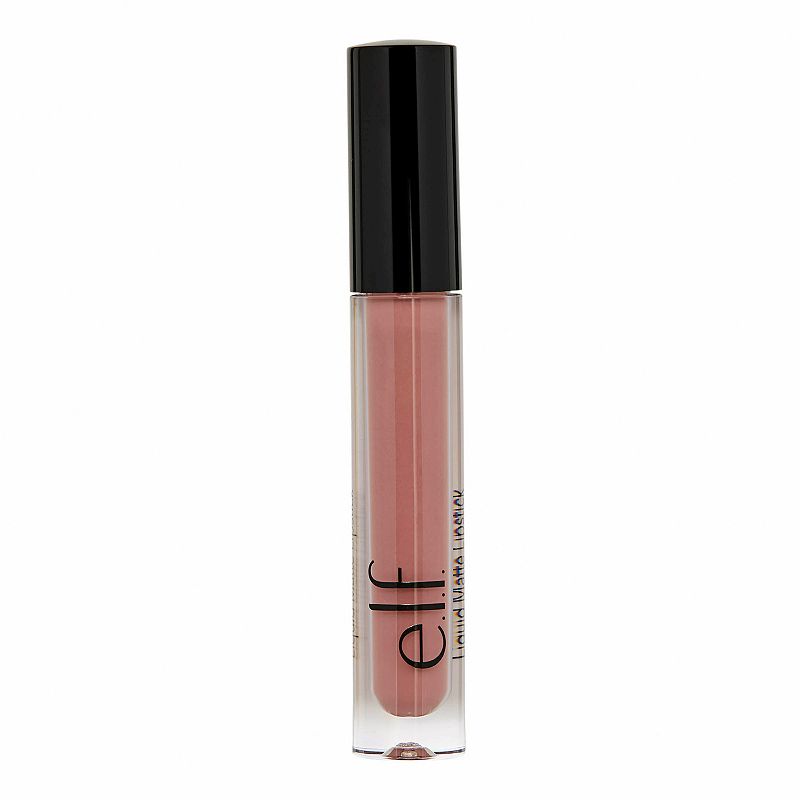
This liquid matte lipstick contains a mix of ingredients, including beneficial Tocopheryl Acetate for its antioxidant properties. However, the presence of Phenoxyethanol, a preservative that can cause skin irritation, affects its safety profile. The product is moderately processed, which impacts its overall rating, but it does not contain the most harmful chemicals typically found in lower-scoring cosmetics.
Key ingredients 15
KaolinGood
Beneficial ingredient — whole-food or functional value in this product class.
Risks
There is a low risk of dryness or irritation, especially for those with sensitive skin.
Benefits
It helps in absorbing excess oil and provides a smooth, matte finish.
Tocopheryl Acetate (Ve)Good
Tocopheryl Acetate is a form of Vitamin E used for its antioxidant properties. It helps in protecting the skin from free radical damage. It is widely used in cosmetics for its skin conditioning benefits.
Risks
There is a minimal risk of skin irritation, though it is rare.
Benefits
It provides antioxidant protection and helps in moisturizing and conditioning the skin.
IsododecaneNeutral
Isododecane is a hydrocarbon commonly used as a solvent and emollient in cosmetics. It helps to create a smooth application and quick-drying finish. It is generally considered safe for use in cosmetics.
Risks
There are minimal risks associated with isododecane, though it can cause irritation if it comes into contact with the eyes.
Benefits
It provides a lightweight, non-greasy feel and helps in the even application of the product.
Quaternium-18 BentoniteNeutral
Quaternium-18 Bentonite is a clay-based thickening agent used to stabilize formulations. It helps in maintaining the consistency of the product. It is generally considered safe for topical use.
Risks
There is a low risk of skin irritation, particularly for sensitive skin types.
Benefits
It enhances the texture and stability of the product, ensuring a smooth application.
Hydrogenated PolybuteneNeutral
Hydrogenated Polybutene is used as a binder and film-forming agent in cosmetics. It provides a glossy finish and helps in the adhesion of the product to the skin. It is considered safe for use in cosmetics.
Risks
There is a minimal risk of skin irritation with prolonged use.
Benefits
It enhances the longevity and appearance of the product on the skin.
Triacontanyl PvpNeutral
Triacontanyl Pvp is a film-forming agent that helps in providing a long-lasting effect. It is used to improve the wear of the product. It is generally regarded as safe for use in cosmetics.
Risks
There is a low risk of skin irritation, especially for sensitive skin.
Benefits
It contributes to the durability and water resistance of the product.
Propylene CarbonateNeutral
Propylene Carbonate is a solvent used to dissolve other ingredients in a formulation. It helps in maintaining the consistency of the product. It is considered safe for use in cosmetics.
Risks
There is a minimal risk of skin irritation, particularly for sensitive individuals.
Benefits
It aids in the even distribution of the product's ingredients.
Titanium Dioxide (Ci 77891)Neutral
Titanium Dioxide is a mineral used as a pigment and sunscreen agent in cosmetics. It provides opacity and UV protection. It is considered safe for use in cosmetics when not in nano form.
Risks
There is a potential risk of inhalation if used in powder form, but it is generally safe in liquid formulations.
Benefits
It provides UV protection and enhances the opacity of the product.
Iron Oxides (Ci 77491, Ci 77492, Ci 77499)Neutral
Iron Oxides are pigments used to provide color in cosmetics. They are stable and non-toxic, making them suitable for use in various products. They are generally considered safe for use in cosmetics.
Risks
There is a minimal risk of skin irritation, though it is rare.
Benefits
They provide a range of colors and are stable, non-toxic pigments.
Red 28 Lake (Ci 45410)Neutral
Red 28 Lake is a synthetic dye used to impart color in cosmetics. It is commonly used in lipsticks and other makeup products. It is approved for use in cosmetics with specific usage limits.
Risks
There is a potential risk of allergic reactions in sensitive individuals.
Benefits
It provides vibrant color to the product.
Red 7 Lake (Ci 15850)Neutral
Red 7 Lake is a synthetic dye used for its coloring properties in cosmetics. It is widely used in lipsticks and other makeup products. It is considered safe for use in cosmetics within regulated limits.
Risks
There is a potential risk of allergic reactions in sensitive individuals.
Benefits
It provides a bright, consistent color to the product.
Red 6 Lake (Ci 15850)Neutral
Red 6 Lake is a synthetic dye used to provide color in cosmetics. It is commonly used in lipsticks and other makeup products. It is approved for use in cosmetics with specific usage limits.
Risks
There is a potential risk of allergic reactions in sensitive individuals.
Benefits
It provides vibrant color to the product.
Manganese Violet (Ci 77742)Neutral
Manganese Violet is a pigment used to provide violet color in cosmetics. It is stable and non-toxic, making it suitable for use in various products. It is generally considered safe for use in cosmetics.
Risks
There is a minimal risk of skin irritation, though it is rare.
Benefits
It provides a unique violet color and is a stable, non-toxic pigment.
Blue 1 Lake (Ci 42090)Neutral
Blue 1 Lake is a synthetic dye used to impart blue color in cosmetics. It is commonly used in a variety of makeup products. It is considered safe for use in cosmetics within regulated limits.
Risks
There is a potential risk of allergic reactions in sensitive individuals.
Benefits
It provides a vibrant blue color to the product.
PhenoxyethanolBad
Phenoxyethanol is a preservative used to prevent microbial growth in cosmetics. It is effective in extending the shelf life of products. However, it can cause skin irritation and allergic reactions in some individuals.
Risks
There is a risk of skin irritation and allergic reactions, particularly with prolonged exposure.
Benefits
It helps in maintaining the product's integrity by preventing microbial contamination.
Get the full breakdown in the Scout appTake Scout shopping
Scan any product to see lab results, healthy alternatives, and your personalized analysis.
Download on theApp Store GET IT ONGoogle Play